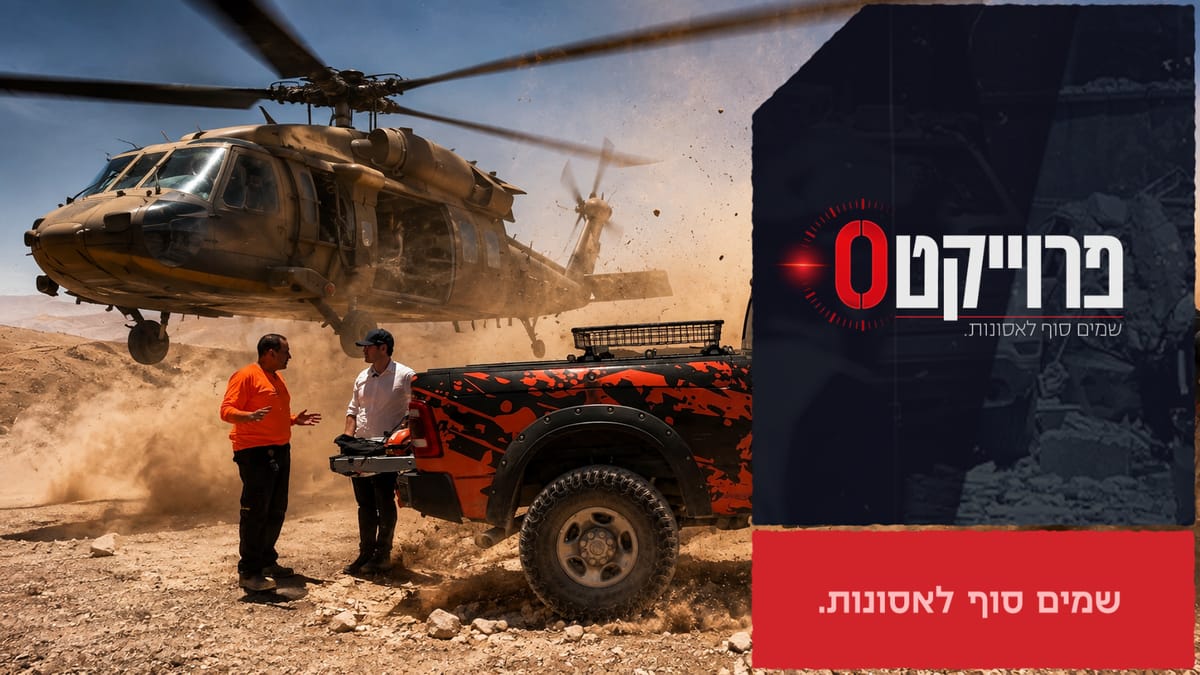
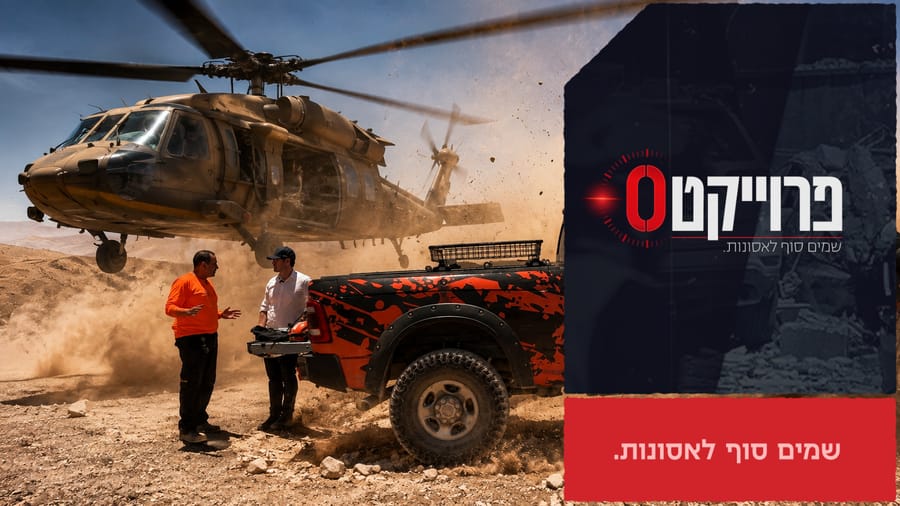
From water hazards to wilderness dangers: Israel's desert terrain demands respect and preparation from those who venture into it.
During school vacation periods, hundreds of thousands of yeshiva students and haredi families head into nature. The desert landscape is stunning, the springs are clear, and the break from routine is inviting. But the desert is unforgiving of carelessness. Setting out during peak heat hours, insufficient water supplies, inappropriate footwear, or a slight deviation from marked trails can transform a peaceful outing into a life-threatening situation within hours.
Moshe Manes traveled into the Judean Desert to meet Dan Asulin, deputy commander of the Dead Sea Scrolls Rescue Unit of the Israel Police. Asulin and his volunteer team leave their homes, jobs, and families in the middle of the night, on Fridays, and before holidays to rescue hikers trapped in canyons and cliffs.
"During quiet seasons we respond to about two rescues per week. During vacation periods, it's chaos, our nightmare," Asulin explains. "Huge numbers of hikers arrive in the field with shocking lack of awareness. People think, 'worst case we'll get stuck without water and call Itamar or David to come get us.' They don't understand that we're all volunteers who leave work and family in the middle of the day to save them."
When asked about the most common sights he encounters in desert canyons during vacation periods, Asulin describes scenes ranging from bewildering to immediately life-threatening:
Baby strollers on challenging trails: "We've seen a woman walking through a rocky, difficult canyon with a pink baby stroller... People simply don't understand where they're entering."
Private vehicles stuck in terrain: "People drive regular cars into 4x4 trails and completely wreck their vehicles. These are places where I hesitate to enter even with my rescue jeep."
Plastic bags instead of backpacks: "You encounter many haredi hikers walking in the desert with all their equipment in plastic bags in their hands. You cannot hike in the desert with plastic bags!"
Heavy, non-breathable clothing: "People arrive for five-hour hikes wearing kapotes and shtreimels. This heavy clothing traps heat, doesn't allow sweat to evaporate, and quickly brings the body to a state of heat stroke."
Asulin emphasizes a critical distinction between dehydration and heat stroke:
"People think if they drink water, they're protected. That's a dangerous myth! Dehydration is lack of water, but heat stroke is when the body simply loses its ability to expel internal heat. When young people in heavy clothing hike during scorching midday hours, the body accumulates heat like an oven. Once the temperature rises above a certain threshold, it's an immediate life-threatening situation with brain damage, exactly like cooking an egg. No amount of water will prevent heat stroke if you're hiking in peak heat!"
One of the most challenging problems in the desert is lack of cellular reception, particularly on kosher phones that don't include GPS or SMS location-sharing capabilities.
Asulin provides a life-saving emergency protocol for anyone in distress in the field:
Emergency call to 100: Even if your phone shows "no service," dial 100! According to international law, when you call an emergency center, every cellular network in the area, including competing companies and even antennas from neighboring countries, is required to dedicate all available bandwidth to transmit the call.
The emergency center cannot call you back: This is a one-way call only. The dispatcher won't be able to reach you if the call disconnects, so it's crucial to immediately provide precise location information without wasting time.
Designate an emergency contact at home beforehand: Before heading out on a trail, give a family member at home the exact trail description and planned return time. If you haven't made contact by the designated hour, the contact person must call police and direct rescue forces.
When a hiker is injured in a deep canyon or on a cliff without foot access, the rescue unit deploys aerial resources:
Police helicopters: Shorten the rescue team's arrival time. "Driving to a location like Nahal Kedem takes two hours, a police helicopter picks us up and within seven minutes we're on site beginning work."
669 Squadron helicopters: Deployed when senior medical treatment is required (doctor and paramedic) or evacuation via winch cable is needed, without the helicopter having to land on the cliff.
Important to know: Emergency rescues in Israel are free! Asulin clarifies: "People are afraid they'll have to pay for the helicopter or rescue, so they get stuck and don't call for help. Life-saving rescue doesn't cost a shekel! Don't hesitate, call for help immediately."
Iron rules for hikers in the field:
Never split up! Asulin recounts a terrible case where a group split up and one hiker disappeared for an entire night of aerial searches. Once you split up, you lose control.
Beware of venomous creatures: The desert is full of scorpions and snakes seeking shade. Don't lift stones with your hands! If you want to move a stone, push it with your foot and check what's underneath. In case of a bite: maintain complete calm, reassure the victim, immobilize the limb, and call for help.
If you're stuck, stay put! Don't try to climb cliffs looking for reception. Find a cave or shaded corner, conserve energy, and wait for rescuers.
Essential equipment: Comfortable backpack, closed hiking shoes (not sandals or dress shoes), hat, at least five liters of water per person, and a flashlight (don't rely on your phone's light!).
"When you go hiking, think about your families sitting at home waiting for you. It's not pleasant to come and retrieve a body," Asulin concludes. "The desert is beautiful and magnificent, but it doesn't forgive. Be careful, plan ahead, and with G-d's help, return home safely!"