The Ali al-Taher ridge in Lebanon's Nabatieh province has emerged as a flashpoint in recent weeks, with Israeli forces conducting what foreign security and diplomatic sources describe as a limited military operation aimed at isolating Hezbollah fighters fortified in a strategic underground complex. The terrain, rising approximately 700 meters and consisting of three connected hills spanning roughly 4.5 square kilometers, offers commanding views over Nabatieh city, the Iqlim al-Tuffah region, Mount Rihan, and vast areas beyond the Litani River. Beneath the surface, Israeli forces have uncovered a massive fortified network built with direct Iranian assistance. According to reports, Israel has not yet received American authorization for a large-scale ground assault.
IDF Besieges Hezbollah Complex in Lebanon
Israeli forces surround strategic tunnel network in southern Lebanon where dozens of Hezbollah fighters and Iranian Revolutionary Guard officers are reportedly trapped
The site functions as a central Hezbollah command post, led by operatives from the "Badr" unit—the organization's elite force. Intelligence assessments suggest that dozens, possibly more than one hundred fighters are sheltering in the complex, including senior officers from Iran's Islamic Revolutionary Guard Corps (IRGC). The presence of high-ranking Iranian personnel transforms the siege into a significant bargaining chip for Israel, while simultaneously creating a potential trigger point for regional escalation. Israeli and Lebanese media outlets, including Ynet, report that between 30 and 40 operatives are trapped in the underground facility. The subterranean complex served as the nerve center for Hezbollah's Badr unit and represents one of the most significant underground installations discovered during the conflict.
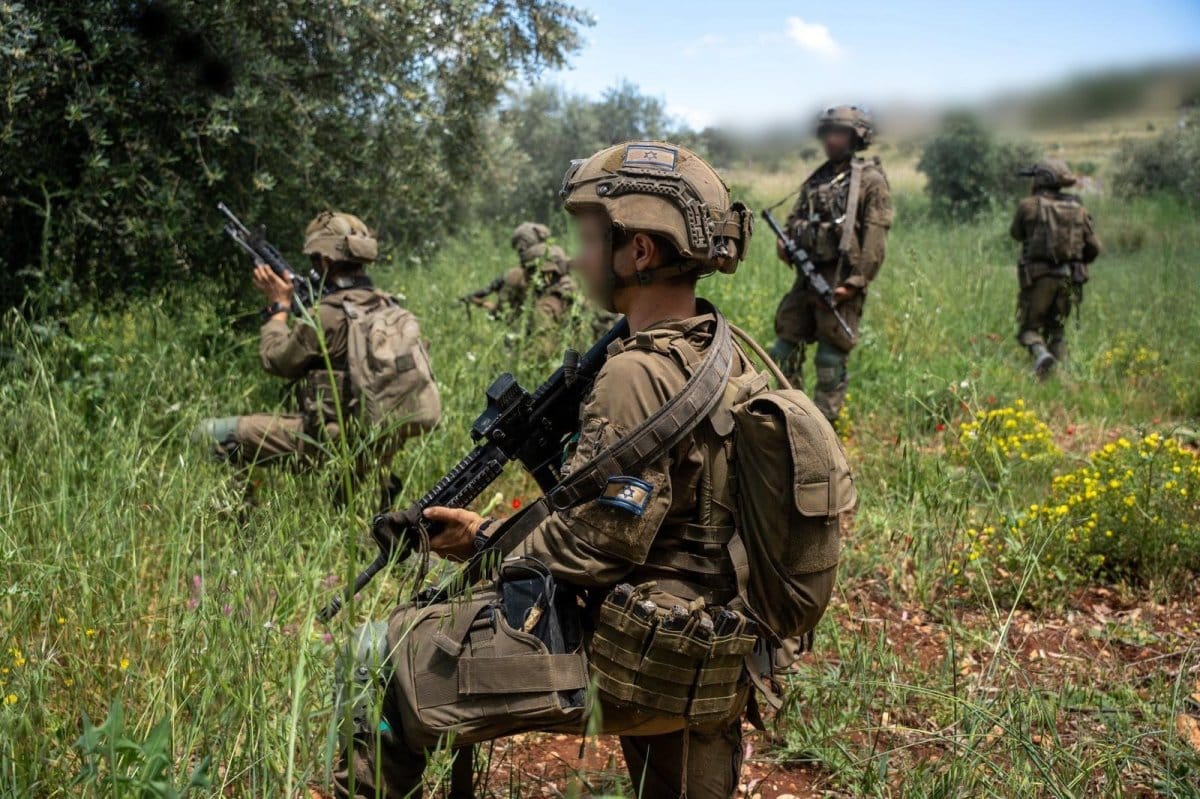
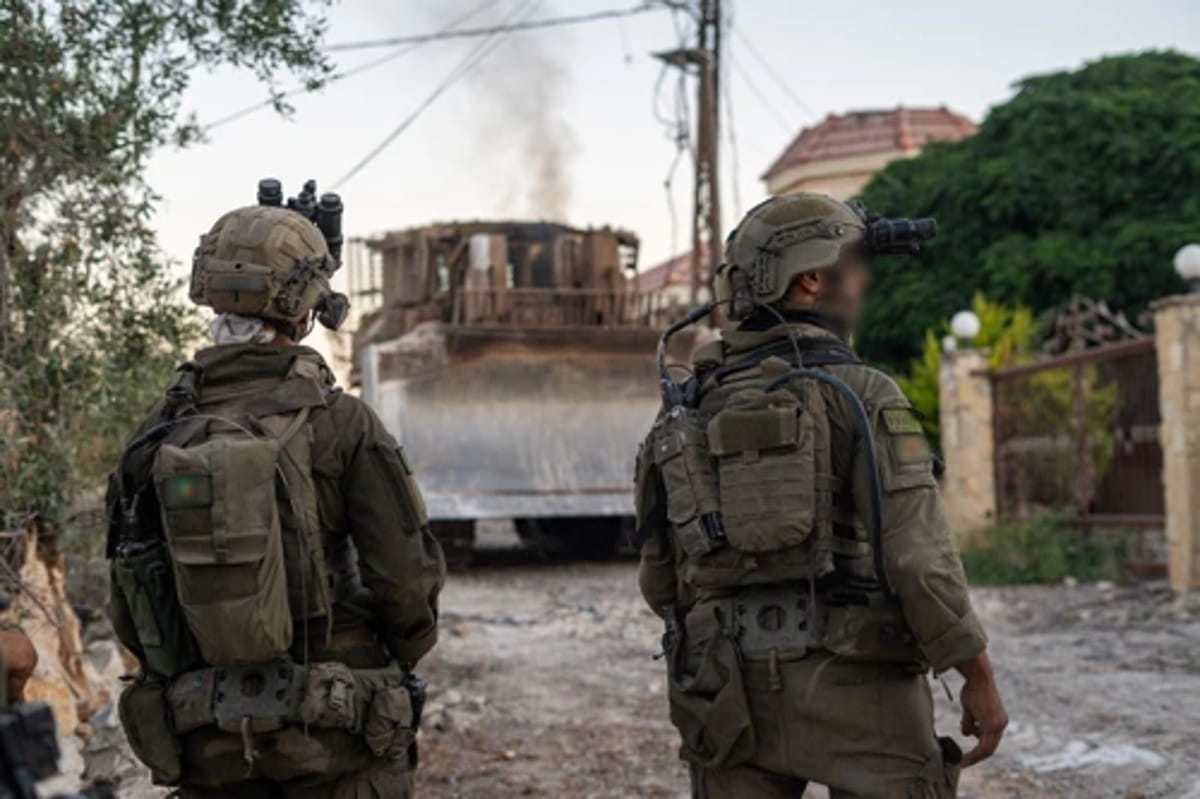
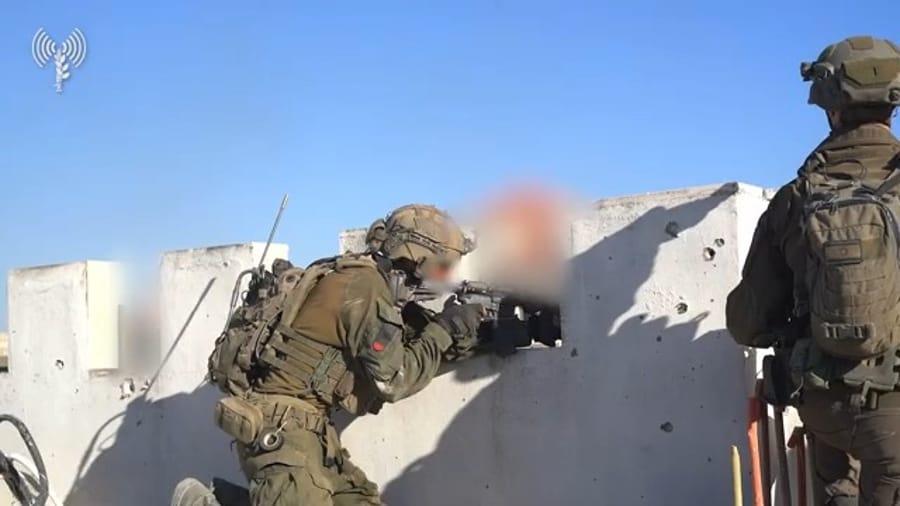
Israeli forces are applying continuous pressure through targeted airstrikes, heavy artillery fire, engineering raids, and infrastructure demolition in the area. IDF units control the terrain above the ridge and have established a tight perimeter around it. According to reports, Israeli forces have cut water supplies to the complex and are preventing any escape attempts using drones and advanced surveillance systems. Diplomatic sources indicate that without a "green light" from Washington for a comprehensive ground offensive, Israel has opted for a strategy of gradual siege combined with intensive aerial monitoring and surveillance. The tight blockade creates harsh conditions for those trapped inside while deepening pressure on both Hezbollah and Iran.
Parallel to military operations, behind-the-scenes diplomatic contacts have encountered significant obstacles. Hezbollah has conveyed messages through intermediaries categorically refusing to transfer control of the facility to the Lebanese army. Meanwhile, the Lebanese military has flatly rejected demands to enter the area without clear security guarantees preventing future Israeli incursions. Against this backdrop of escalation, attention now turns to the Italian capital. On September 1, the eighth round of political negotiations between Lebanon and Israel under U.S. auspices is scheduled to take place in Rome. Lebanese Armed Forces Commander Rodolphe Heikel is expected to attend to discuss monitoring mechanisms and implementation of "pilot zones" for evacuation and transfer of control. Analysts assess that any sudden flare-up or Israeli decision to launch a broader operation on the Ali al-Taher ridge could reshuffle the deck and dramatically alter the rules of engagement along the northern border. The current situation places all parties in complex dilemmas, with time working against those trapped in the underground complex.