Israel’s High Court ruled on Thursday that parties may not receive real-time reports on how many people have voted at each polling station, adding a second restriction on how campaigns can use digital tools on election day.
The ruling bars polling station officials and party observers from sending live turnout counts from individual stations to party headquarters, even when the reports contain no names or other details that could identify voters. It follows a ruling last month that barred parties from receiving information about who had voted.
The dispute began on October 14, when Din Livneh, the acting director-general of the Central Elections Committee, issued a clarification in response to an inquiry from attorney Ilan Bombach, the Likud’s legal adviser. Livneh said it was permissible to count voters at each polling station and send the totals to parties digitally, as long as no personal information was collected. The committee’s view was that a simple headcount is different from information that reveals whether a specific person voted.
The Israel Democracy Institute challenged that permission in court. It argued that even anonymous data cannot be passed to parties without a basis in law, and that an administrative clarification from the committee is not enough.
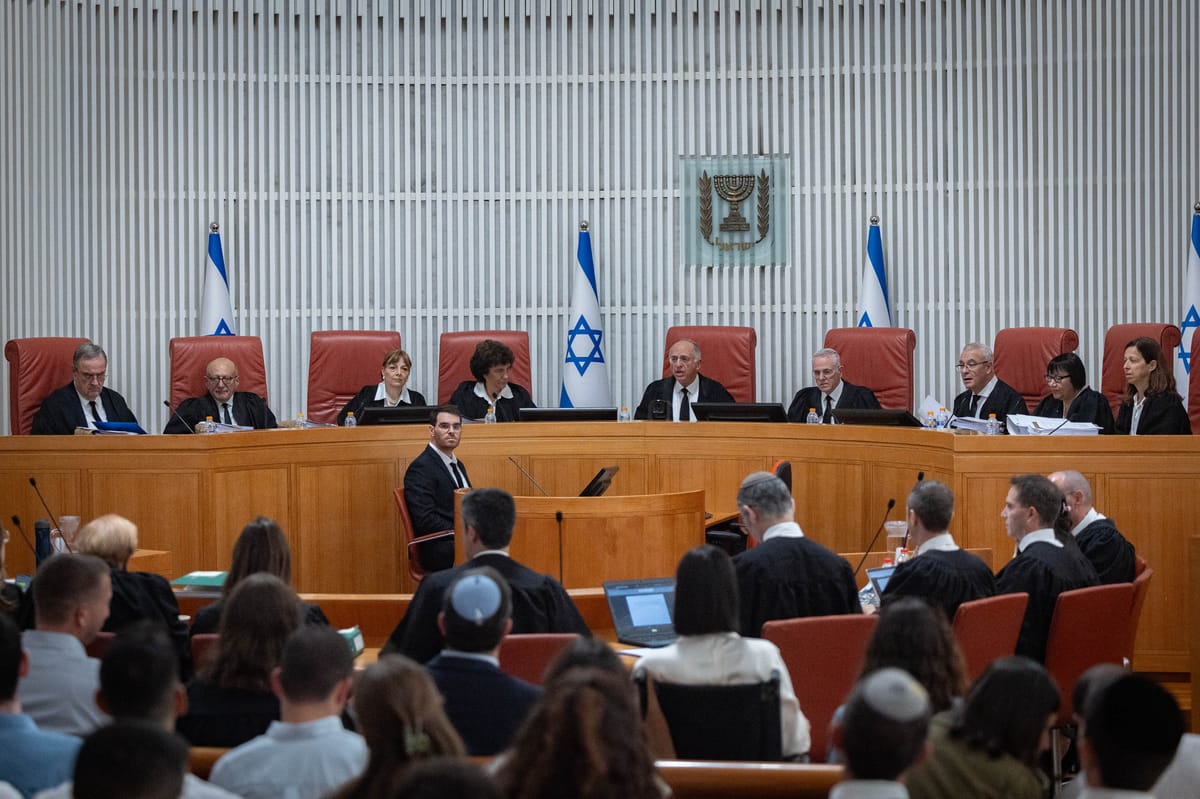
At a hearing on Wednesday before Justices David Mintz, Khaled Kabub and Ruth Ronen, the justices questioned why parties needed their own station-by-station reports when the Elections Committee already publishes overall turnout figures throughout the day. Justice Kabub rejected the idea that this was merely a technical matter, noting the difference between official figures released by the committee and a constant stream of reports sent by party representatives across the country. He warned that parties could end up receiving thousands, or even tens of thousands, of reports. Justice Ronen asked why the information needed to go directly to political parties, and Justice Mintz noted that parties could use it to step up get-out-the-vote efforts in areas where they have strong support.