Five Factors That Will Decide Israel's Election
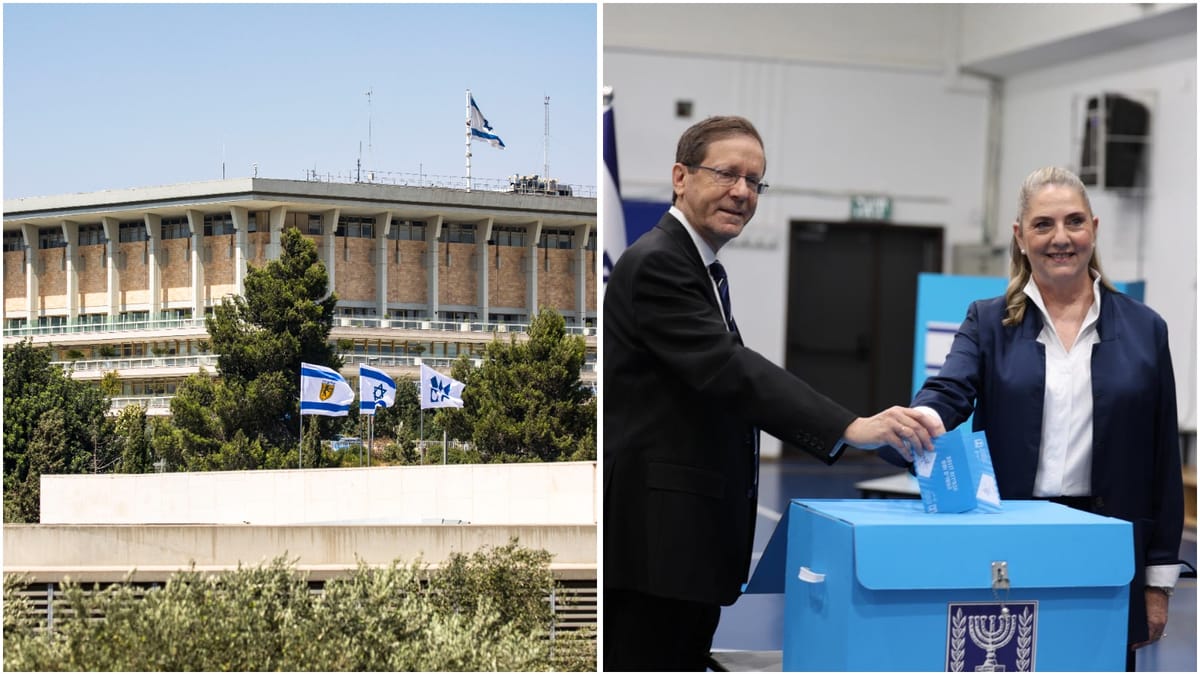
Israel's 2026 election campaign has reached decision day. With polling stations open across the country and Israelis turning out in large numbers, the question is not only which party will win the most votes, but how five key factors will combine to shape the final result.
1. Turnout
Turnout is the engine of any election, and this one is running hot. By noon, national turnout had passed 30 percent, the highest figure at that hour since 1973.
High turnout raises the number of votes needed for each Knesset seat, and with it the number of votes needed to clear the 3.25% electoral threshold. When the public streams to the polls, every vote carries a little less weight, and small parties hovering near the threshold need tens of thousands of extra voters just to survive.
2. The chareidi vote
The chareidi public is known for its strict party discipline and traditionally high turnout. When overall turnout is low, the chareidi vote carries more weight and translates into a stable bloc of seats. But when general turnout surges, the chareidi parties need full mobilization just to hold their relative size, avoid losing seats to the larger parties and enter coalition talks from a position of strength.
This year, the established chareidi parties also face two new challengers built around the draft law from opposite directions: Moti Leitner's HaTzibur HaChareidi and Tzeva Shachor. Both are watching turnout nervously, fearing they will fall short of the threshold.
3. The Arab vote
Turnout in Arab society is one of the most sensitive variables on the bloc map.
High Arab turnout helps Arab lists clear the threshold, pushes up the number of votes needed per seat and makes it harder for either bloc to reach a clear 61-seat majority. But if the national surge isn't matched in the Arab sector, a small Arab list could take a hit that tips the national balance.
Arab parties have gotten creative this campaign, sending buses into the field with signs reading "Arabs are streaming to the polls" on one side and "Caution, I'm turning left!" on the back, in an attempt to win over Jewish voters.
4. Double envelopes
In a high-turnout election with tight races, double-envelope ballots take on critical importance. These are the votes of soldiers, diplomats, hospitalized patients and others who cannot vote at their assigned polling station, and they are counted separately from regular ballots. With the gaps between the blocs measured in fractions of a seat, these tens of thousands of votes could add a seat or two to a party at the last minute, or even decide which party finishes first.
5. Last-minute panic
Between 7 p.m. and 10 p.m. tonight, when only those already in line will be able to vote after closing, the psychological battle over undecided voters will reach its peak.
With turnout this high, an aggressive last-minute push by the big parties, warning that votes for small parties will be wasted, could drain support from the smaller lists. A shift of tens of thousands of voters in the evening hours could push borderline parties below the threshold and force analysts to redraw the political map.
The day after
Starting tomorrow, the real race to stabilize the political system begins. Every seat, won through work on the ground, on social media or in recorded WhatsApp messages to chareidi voters, could prove the deciding card between a functioning coalition and fresh political paralysis. The only certainty is that none of the parties heading to President Yitzchak Herzog wants another election. All of them want a clear, uncontested result as soon as possible.