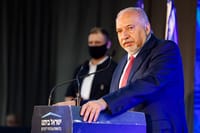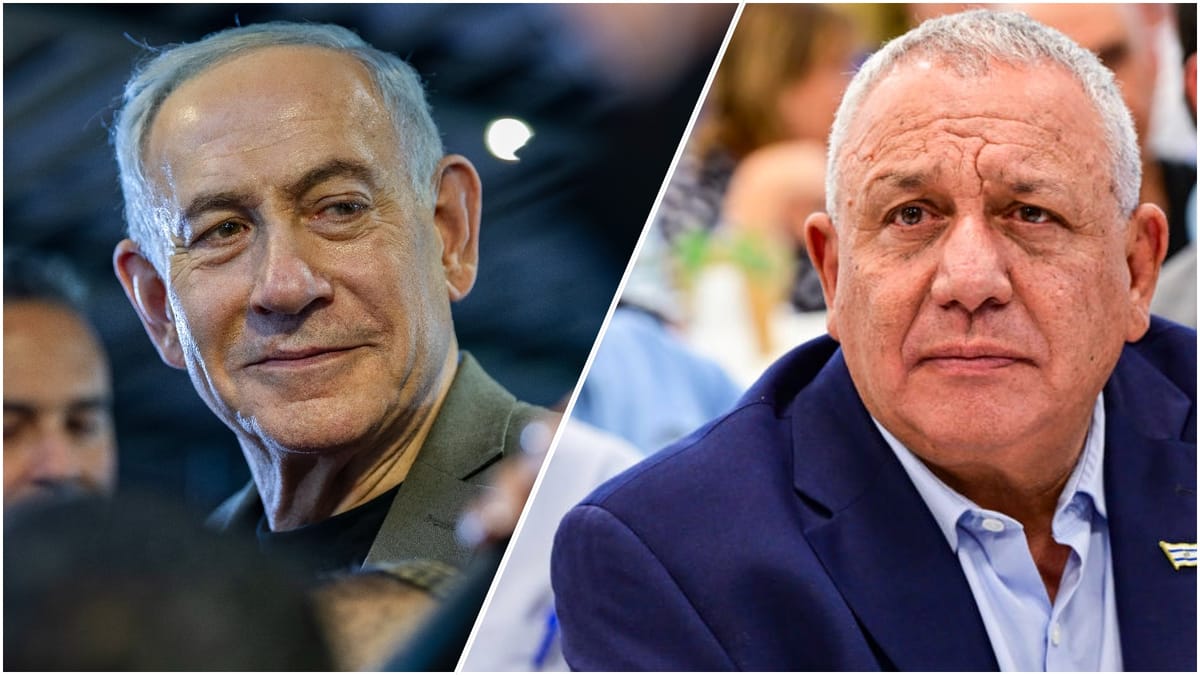
As Gadi Eisenkot struggles to assemble a stable government, Prime Minister Benjamin Netanyahu has returned to a familiar theme: the possibility of a national unity government. Political analyst Matti Tuchfeld, writing in Maariv, says the move is not a general political message but a calculated attempt to leave an opening for parties in the change bloc that are firmly opposed to a government relying on the support of Arab parties.
According to the analysis, if Netanyahu had confined himself to attacking the scenario of an Arab-backed government, he would have risked pushing those hesitant parties straight into Eisenkot's arms. In that situation, public and political pressure on them to unite, compromise and swear in a government, even one that does not match their original preferences, would have grown significantly.