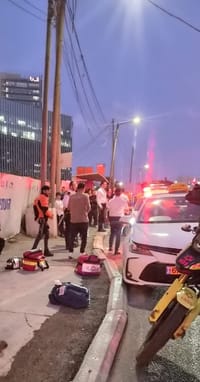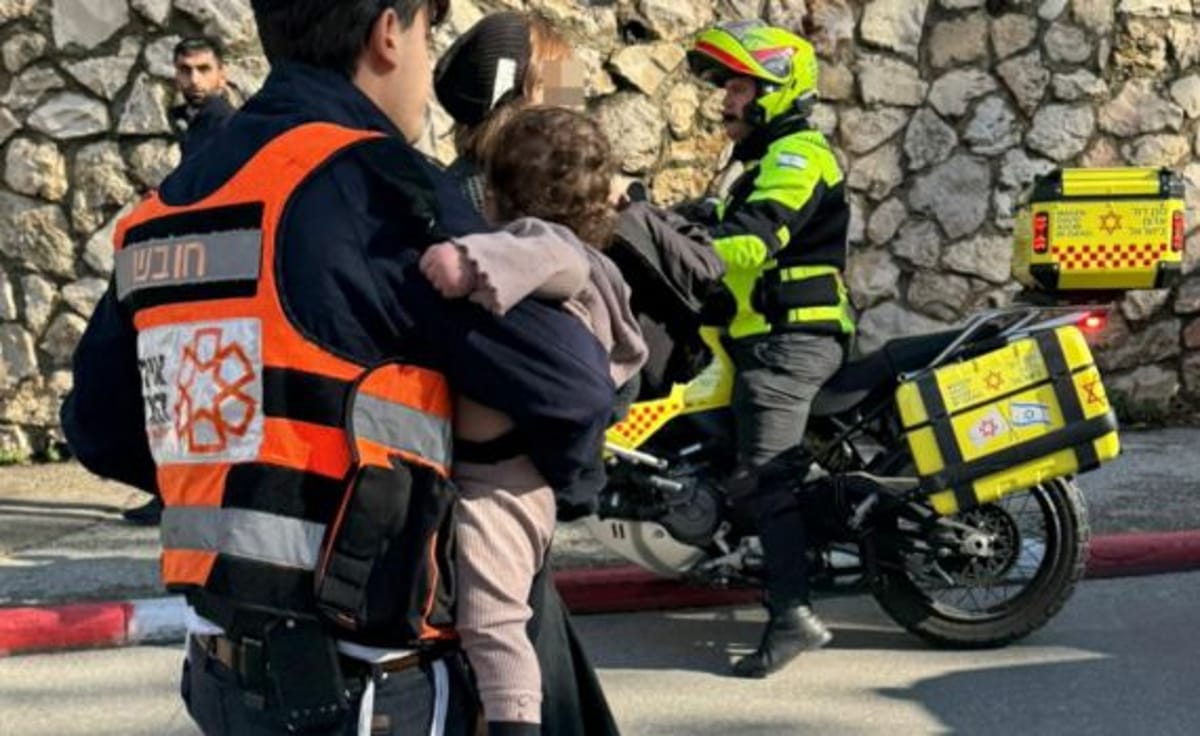
In an unprecedented joint session, three top Knesset committees convened today to address the "wild west" of unregulated daycares following the horrific death of two infants in a Jerusalem nursery.
The Labor and Welfare, Education, and Child Rights committees met on Monday to discuss the systemic failures that allowed an unlicensed facility in Jerusalem’s Romora neighborhood to operate without oversight. The tragedy claimed the lives of six-month-old Ari Katz and three-month-old Lia Goloventzitz.
Education Minister Yoav Kisch addressed the committees, acknowledging that "pirate" daycares are a decades-old phenomenon. "I do not have the information or the authority to walk into a random apartment in a neighborhood and check if there are children inside," Kisch admitted, emphasizing that without a combined effort between the police, local government, and the State Attorney, the Ministry of Education cannot solve the issue alone.
Kisch noted that since oversight was transferred to his ministry, thousands of daycares have registered, but thousands more remain in the "free market" because the current law only requires supervision for facilities with more than seven children.
The chairs of the committees expressed deep frustration, characterizing the current situation as a disaster waiting to happen.
- MK Katy Shitrit (Chair, Child Rights Committee): "The writing was on the wall. Today, it is harder to open a falafel stand than it is to start a daycare. Out of 350,000 infants in Israel, a third are in unsupervised frameworks. Many parents only realized their child's daycare was unregulated after this tragedy."
- MK Michal Woldiger (Chair, Labor and Welfare Committee): "This nursery operated every day right in front of our eyes. As long as there is a shortage of manpower and the prices in supervised daycares remain sky-high, the system will remain broken."
- MK Yitzhak Goldknopf: Drawing on 50 years of experience in early childhood education, Goldknopf blamed the crisis on low wages. "Why are there no teachers? They study education and then go to high-tech because they aren't paid a living wage." He also highlighted the funding gap for the Haredi sector, which he claimed receives 50% less funding than state schools.
A major point of contention during the discussion was the legal threshold for oversight. Currently, any facility caring for fewer than seven children is exempt from most safety and background check regulations, a loophole that critics say puts thousands of infants at risk daily.