As the war against the Iranian regime and its proxies intensifies, the IDF is facing a new and dangerous challenge: the uncontrolled spread of real-time military information across social media. Security officials have identified a growing trend where citizens and unofficial news channels report on missile launches from Iran and Lebanon before official Home Front Command warnings are even issued. This information "leakage" includes details on launch times, the number of projectiles, the types of warheads identified, and the exact locations of impacts. Military experts warn that these reports are being monitored by the Iranian Revolutionary Guard and Hezbollah in real-time, providing them with an "authentic situational picture" that allows them to adjust their aim and synchronize their next volleys more effectively.
Helping the Enemy Coordinate
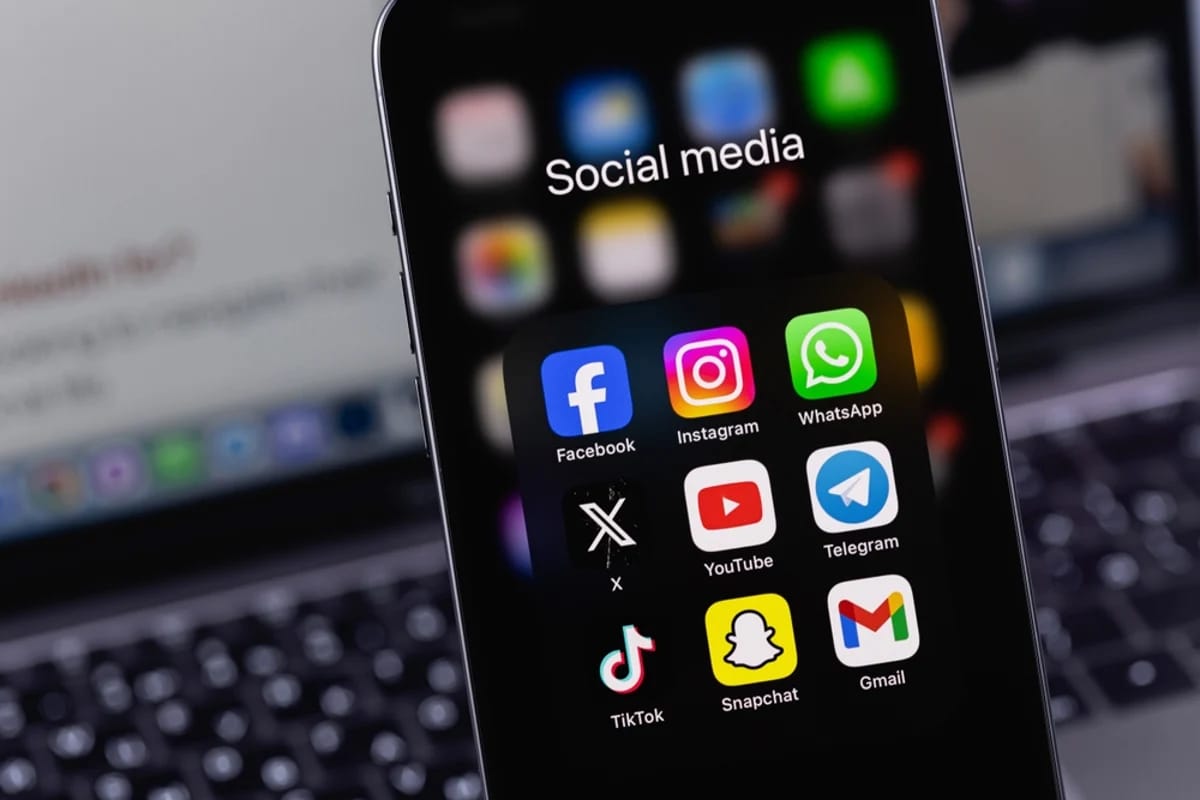
The biggest concern for the defense establishment is that the enemy is using the Israeli public’s connectivity to overcome their own command and control failures. Senior officials in the Home Front Command noted that the IRGC is currently struggling to synchronize strikes between various launch sites in Iran and their proxies in Lebanon, Iraq, and Yemen. However, when Israelis post "a launch has been spotted" on Telegram or WhatsApp, the enemy can simply read these public reports to confirm their timing. "The enemy can simply read a report that is accessible to everyone and quickly launch," military sources explained. This essentially turns civilian social media users into unintentional intelligence assets for the "Axis of Resistance."
The Failure of Censorship
Despite the severe risk, neither the military censorship nor any other security body has been able to curb the phenomenon. Since the October 7 massacre, and increasingly during Operations Rising Lion and Roaring Lion, the speed of digital communication has outpaced the government's ability to control sensitive data. This situation has frequently led to embarrassing moments for military spokespeople who are asked about impact locations or sensitive intelligence live on television before they have even received official updates from the field. While the issue is reportedly "being handled" by security officials, no effective solution has been found to stop the instant flow of information from the ground to the global internet.
A Live Situational Picture
The danger extends beyond just launch alerts. Real-time footage of interceptions and impact sites allows the Iranian military to perform "battle damage assessment" without needing their own surveillance drones. By seeing exactly where their missiles landed or where they were intercepted, they can recalibrate their guidance systems for the next barrage. Security officials are urging the public to refrain from sharing precise locations or images of missile impacts, reminding citizens that in the digital age, a "like" or a "share" could inadvertently assist a terrorist organization in targeting their own homes more accurately. The military is currently exploring technological ways to disrupt this information flow, but for now, the responsibility remains with the individual user.