The recent death of two infants at an unregulated nursery in Jerusalem has exposed a systemic failure in Israel’s childcare oversight, revealing a vast network of "pirate" institutions operating without licenses, supervision, or safety protocols. For years, advocates have warned of a nightmare scenario in which thousands of toddlers are placed in overcrowded apartments and basements, away from the eyes of the Ministry of Education. In Jerusalem alone, statistics show that the municipality is unaware of the location or condition of approximately 80% of children between the ages of birth and three years old. This lack of data and enforcement has created a dangerous "Wild West" in the private childcare market, where families are often forced to choose between unaffordable supervised care and cheap, potentially lethal pirate facilities.
A Policy of Abandonment
Current Israeli law requires any facility caring for seven or more toddlers to hold a valid operating license. However, the reality on the ground is starkly different. Miriam Sela, a Jerusalem City Council member, describes the current situation as a long standing policy of neglect. "The state ignores the fact that it has children between the ages of zero and three, and suddenly discovers them at age three," Sela noted. She argues that the tragedy in Jerusalem was not a surprise but the realization of a known threat. According to data presented to the Jerusalem Education Committee, out of 72,000 toddlers in the city, the municipality has no record of where 58,000 of them are spending their days.
Residents in residential buildings have also begun to feel the impact of these illegal operations. One Jerusalem resident, Ayelet, described how an unlicensed daycare was opened in the apartment directly above her home without any prior notice or permits. "One day we just found 20 children jumping over our heads," she said. Despite writing to the mayor and his deputy, her pleas were ignored until she and her neighbors hired a lawyer and took the matter to court to force the facility to close. Ayelet, a mother of six, called the experience a "major breach of trust," noting that citizens pay high taxes only to find they have no address for help when illegal businesses move in next door.
The Crisis of the "Child Warehouse"
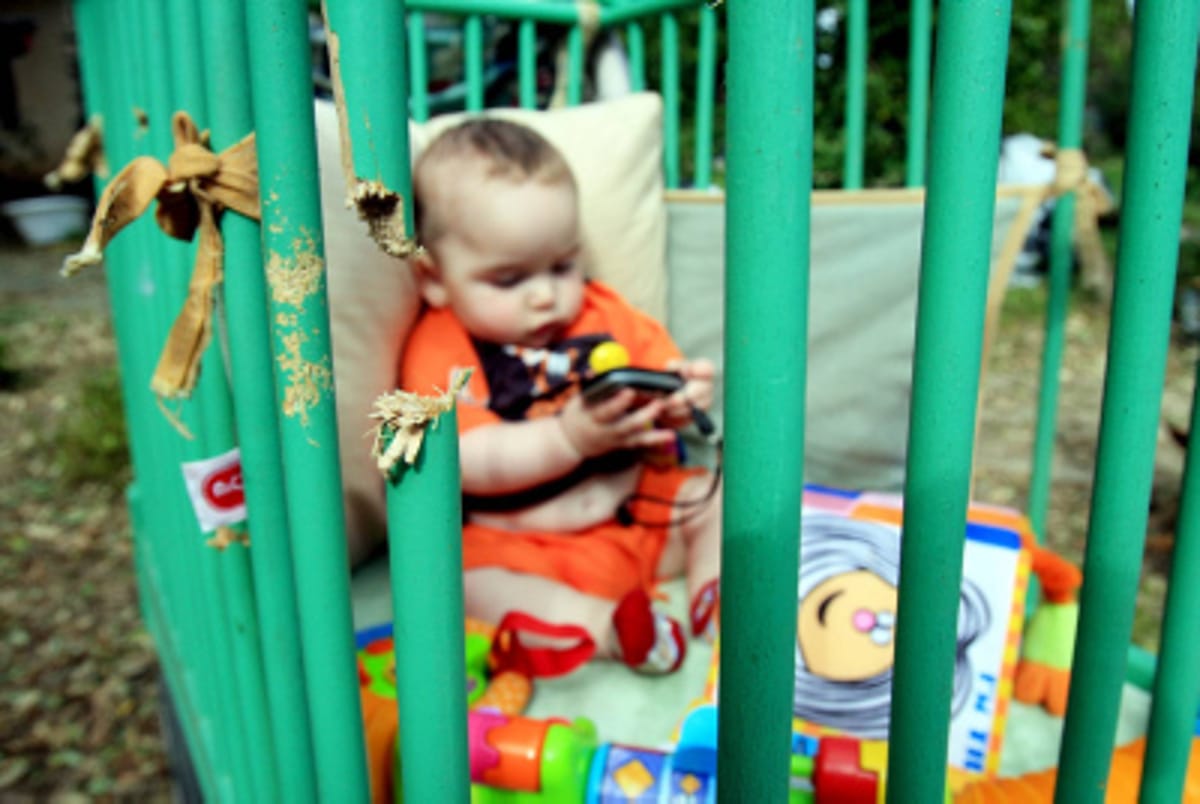
The problem is particularly acute in lower socioeconomic areas, as well as in Haredi and Arab communities, where the cost of supervised private care, ranging from 3,000 to 6,000 shekels a month, is prohibitive. A 2022 State Comptroller report found that at least 1,000 private nurseries are operating completely outside the licensing system. In some cases, these facilities have been dubbed "child warehouses" due to extreme overcrowding and hazardous conditions. Reports have described toddlers being kept in windowless basements with no ventilation, exposed sockets, and a ratio of one caregiver to more than 30 children.
Sela pointed out that these issues are no longer confined to marginalized neighborhoods, they are popping up in affluent areas like Baka and French Hill as well. "There are mattresses in the bathrooms, this is the reality," she stated, emphasizing that the lack of inspectors makes it impossible to track these nurseries. Even though new supervision laws were passed in 2018, Sela argues they are useless without proper funding and manpower. "With whom am I supposed to enforce it? There is no budgeting and no standards." As the Minister of Education announces new committees to study the issue, critics argue that the time for talk has passed and that the government must refuse to pass the national budget until a concrete solution for the safety of Israel's youngest children is included.