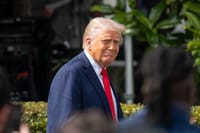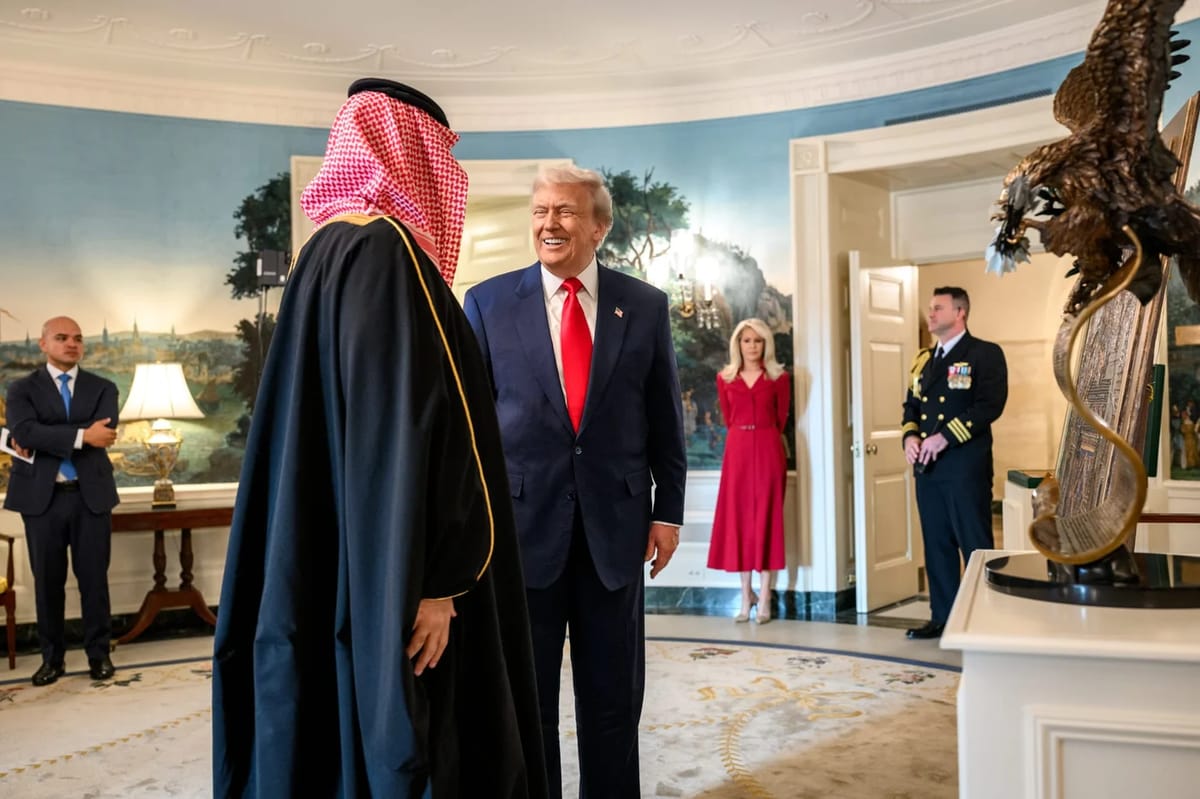
U.S. President Donald Trump and Saudi Crown Prince Mohammed bin Salman signed a wide-ranging package of agreements at the White House on Tuesday, strengthening bilateral ties in defense, energy, technology, and trade.
Key points of the agreements:
- Saudi Arabia increased its investment and procurement commitments in the United States to nearly $1 trillion, expanding on a previous $600 billion pledge made during President Trump’s visit to Riyadh in May 2017.
- A strategic defense pact was signed, described by the White House as a milestone in the more than 80-year relationship between the two countries.
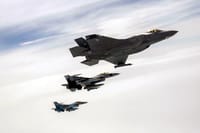
- Approval in principle was granted for future arms sales, including F-35 fighter jets and approximately 300 advanced U.S. tanks. The actual sale contracts were not signed during the visit.
- A civil nuclear cooperation agreement was concluded, allowing long-term partnership in civilian nuclear energy while maintaining strict non-proliferation standards. The deal may include provisions for local uranium enrichment in Saudi Arabia.
- Additional agreements were reached on artificial intelligence technology transfer, critical minerals supply chains, removal of trade barriers, and mutual recognition of vehicle safety standards, and expanded financial cooperation.
The White House stated that the agreements will support thousands of American jobs, enhance regional deterrence in the Middle East, and provide significant long-term economic returns for the United States.When asked whether the potential F-35 sale would affect Israel’s qualitative military edge in the region, President Trump responded, “Israel will be happy.”