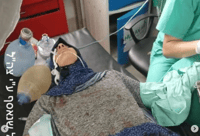
Israel's Health Ministry confirmed the death of a 70-year-old resident from West Nile Fever on Wednesday, marking the first fatal case reported this year as infected mosquitoes are detected for the first time in central Israel, according to an official ministry statement. Ten cases of the mosquito-borne illness have been confirmed since the start of 2026, with three patients currently hospitalized in stable condition.
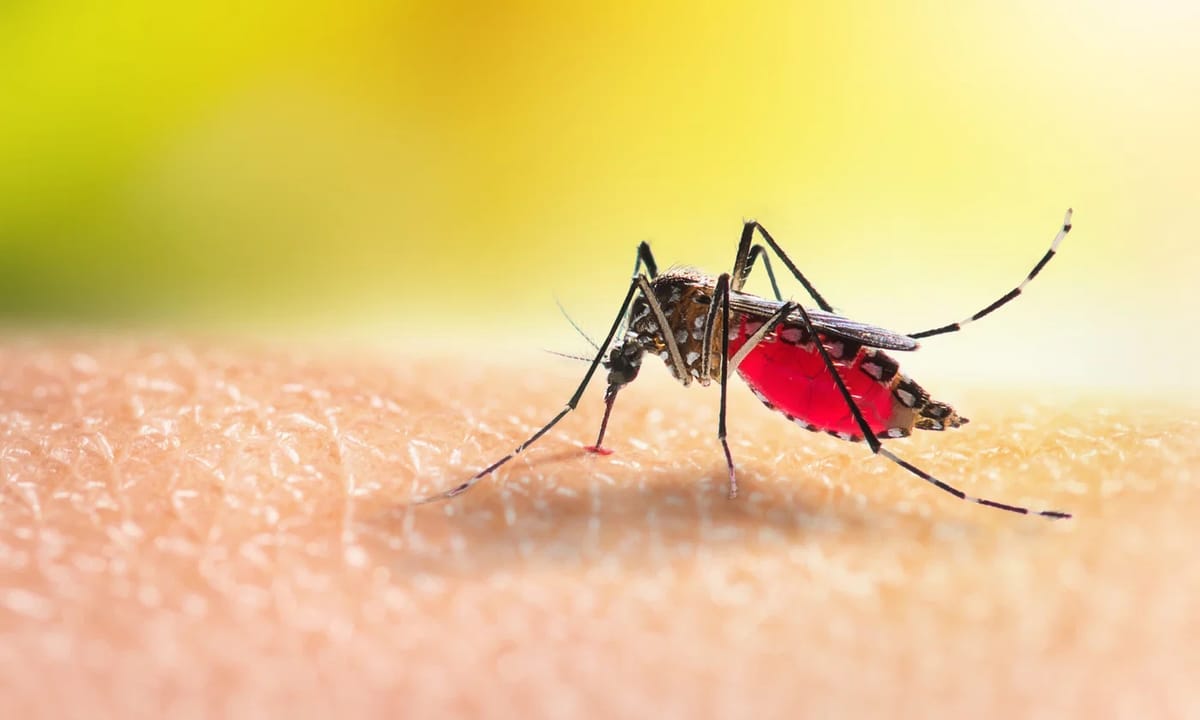
The deceased developed symptoms in mid-July and died following hospitalization for disease complications. According to the Health Ministry, most patients with confirmed West Nile Fever have experienced typical symptoms including fever, rash, and changes in consciousness. West Nile Fever is transmitted to humans through mosquito bites from insects that have fed on infected birds.
In a coordinated effort, the Ministry of Environmental Protection and the Health Ministry announced the detection of mosquitoes carrying the West Nile Fever virus in Tel Aviv-Jaffa, Taybeh, Tira, Kalanswa, and the Lev HaSharon Regional Council. This marks the first confirmed presence of infected mosquitoes in central Israel since the beginning of the year; previous cases detected in 2026 were limited to southern Israel.
According to the Health Ministry, West Nile Fever is typically a mild illness with no symptoms or minimal clinical presentation. However, serious complications can develop in rare cases, including encephalitis (brain inflammation) or meningitis (inflammation of the brain and spinal cord membranes). The risk of severe illness is significantly higher among adults over 60 and individuals with underlying medical conditions.
In response to the detection of infected mosquitoes, the Ministry of Environmental Protection has directed all local authorities to expand prevention, monitoring, education, and mosquito control efforts. The ministry has issued detailed guidelines for municipalities to implement immediate measures aimed at reducing the risk of infected mosquito population spread and protecting public health.
Prevention Measures Recommended by Israeli Health Authorities:
Local authorities and the public are advised to implement multiple layers of mosquito prevention. Residents should eliminate standing water sources including buckets, flower pot saucers, old tires, gutters, ornamental ponds, water barrels, and any containers that may collect water. Insect repellents containing DEET or other approved active ingredients should be applied according to manufacturer instructions. Window screens and door coverings should be installed, and residents are encouraged to wear long, light-colored clothing during peak mosquito activity hours. Running a fan while indoors, on patios, in gardens, or in open areas can also reduce mosquito exposure.
The public is asked to report mosquito infestations or standing water sources in public spaces to local authority hotline 106. Resident reports enable municipalities to target monitoring and pest control efforts more rapidly and effectively.
Ongoing Epidemiological Investigation
According to the Health Ministry, epidemiological investigations are continuing to identify the likely location of exposure to infected mosquitoes. The ministry emphasized that early identification of exposure sources is critical to preventing further spread.
Professor Sigal Sadetsky, head of the Public Health Division at the Health Ministry, stated: "West Nile Fever is a disease transmitted to humans through mosquito bites of mosquitoes that have fed on infected birds. In most cases, it is a mild illness without symptoms, but in rare cases serious symptoms can develop, such as encephalitis or meningitis. The risk of serious illness is higher among people over 60 and those with underlying conditions, making it especially important to adhere to prevention measures."
Dr. Shay Richer, director of the Pest Control and Disinfection Department at the Environmental Protection Ministry, added: "In recent days, mosquitoes carrying West Nile Fever virus have been caught at several locations in central Israel. A mosquito carrying the virus can transmit it to humans through bites and cause illness. The ministry has issued detailed instructions to local authorities to implement immediate actions aimed at reducing the risk to public health. Alongside monitoring and pest control efforts, the public has an important role in reducing mosquito infestations. Eliminating standing water and reporting to the local authority will significantly reduce the mosquito population and help protect public and environmental health."
Seasonal Peak Approaching
Summer conditions—standing water, warm temperatures, and high humidity, create ideal breeding conditions for mosquito populations. From June through November each year, there is an expected increase in West Nile Fever-carrying mosquito activity. The Environmental Protection Ministry's pest control and disinfection team conducts thousands of mosquito larvae inspections and hundreds of adult mosquito collections annually. All collected mosquitoes are sent to Health Ministry laboratories for identification and testing for West Nile Fever virus.