Philippine immigration authorities have confirmed that the father and son accused of carrying out the deadly Bondi Beach shooting in Sydney visited the Philippines in the weeks leading up to the attack, adding new detail to the movements of the alleged terrorists before the massacre.
According to the Bureau of Immigration in Manila, Sajid Akram, 50, and his son Naveed Akram, 24, arrived together from Sydney on November 1 and departed on November 28. Immigration officials said both listed Davao as their final destination while in the country. They later left the Philippines on a connecting flight from Davao to Manila before continuing on to Sydney.
Authorities said Sajid Akram traveled on an Indian passport. There have been conflicting reports regarding his son’s travel documents, with some officials stating Naveed Akram used an Indian passport, while others told the BBC he traveled on an Australian passport. Philippine officials said they are reviewing records to clarify the discrepancy.
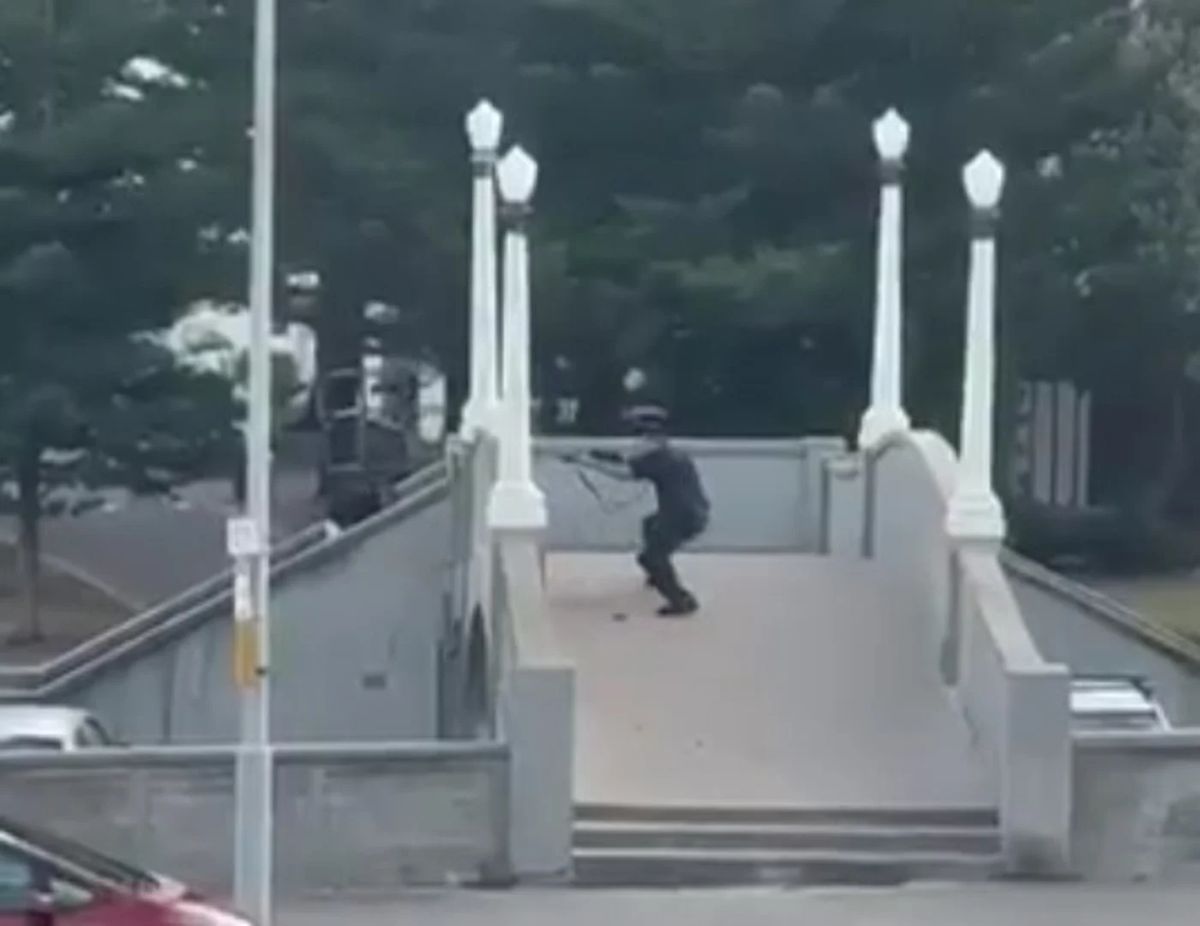
The confirmation has intensified scrutiny of the pair’s activities in the month before the attack, which left 15 people dead at a Chanukah celebration organized by Chabad shluchim at Bondi Beach. Australian authorities have said the shooting was motivated by Islamic State ideology.
Australian police are now investigating the purpose of the Philippines trip, amid earlier reports suggesting the two may have sought military-style training while abroad. Officials have not publicly confirmed those claims, but have acknowledged the trip is a key focus of the investigation.
Australia’s prime minister said the attack appeared to be inspired by the Islamic State, a conclusion supported by evidence recovered after the shooting. Police have said that homemade Islamic State flags and improvised explosive devices were found in a vehicle used by the attackers.
India’s Ministry of External Affairs did not immediately respond to requests for comment regarding the use of an Indian passport by Sajid Akram or any potential prior monitoring of his movements.
The latest revelations underscore growing concerns about international travel routes used by Islamist terrorists in the lead-up to attacks, and the challenges facing security agencies attempting to track radicalized individuals across borders. As investigations continue in Australia and abroad, authorities are working to piece together how the attackers planned the massacre and whether warning signs were missed in the weeks before the shooting.