Shock and Awe in Tehran: USAF, IAF Decapitates IRGC Command as 2,200 Targets Fall | WATCH
With 2,200 regime targets destroyed and 70% of Iran’s missile launchers neutralized, the coalition has turned its focus to "decapitating" the regime’s command structure while leveling the strategic Kharg Island oil hub.

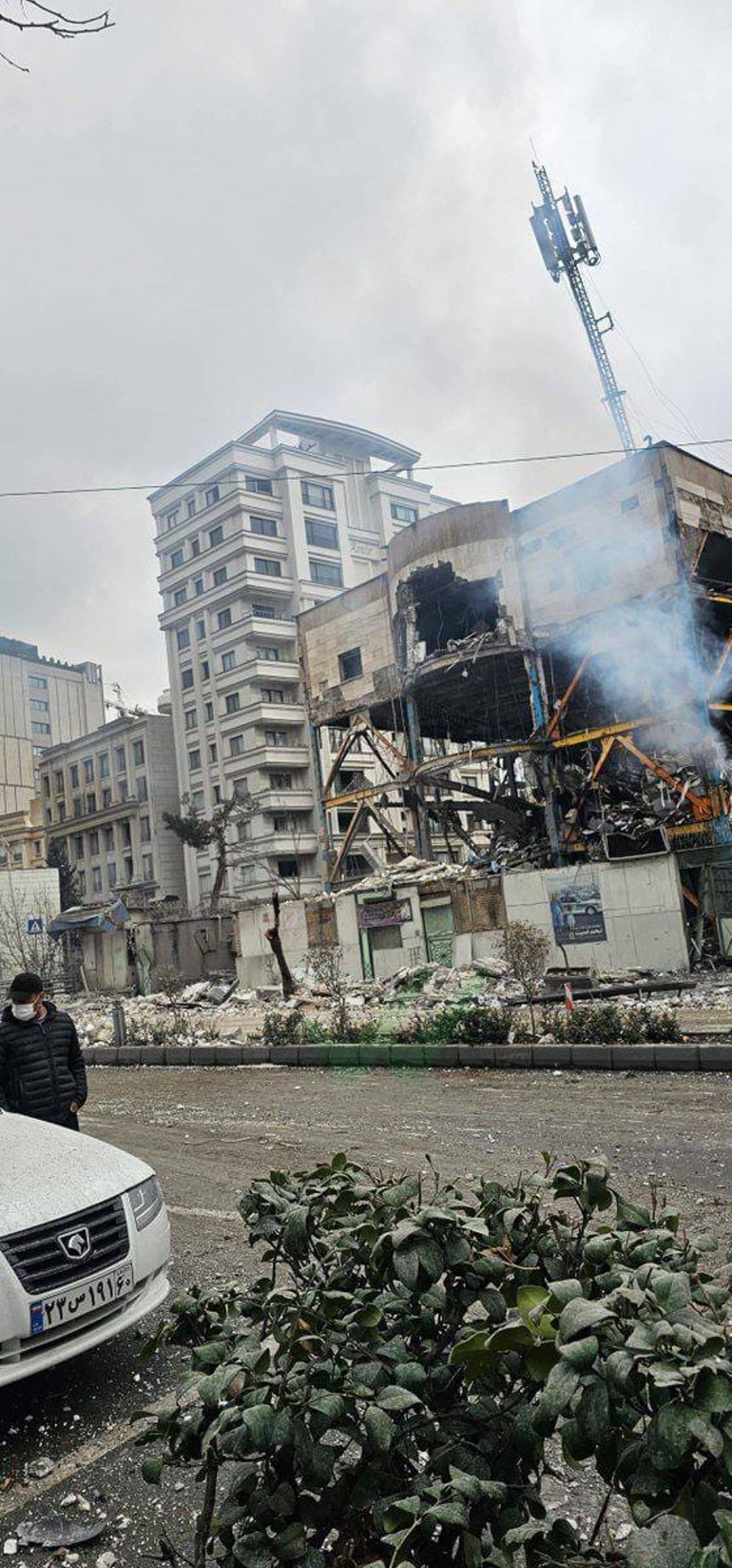
In the ongoing joint military operation against Iran, the Israeli Air Force (IAF), Israel Defense Forces (IDF), and United States Air Force (USAF) have conducted multiple precision strikes over the past 24 hours, focusing on degrading Iran's command structures, missile capabilities, and strategic infrastructure. These actions, part of the broader "Operation Roaring Lion" by Israel and "Operation Epic Fury" by the US, come amid retaliatory Iranian missile launches toward Israel and regional targets.
According to recent reports, the IDF announced that the IAF executed strikes on over 200 targets in western and central Iran during the day ending March 15, including missile-related facilities and defense sites.
This wave involved hundreds of aircraft sorties, with a focus on eliminating threats to Israeli airspace superiority.
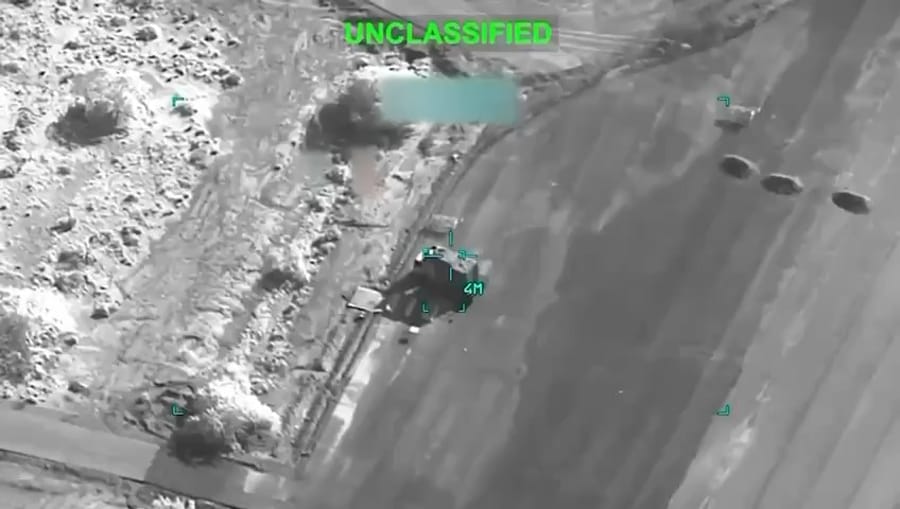
Overnight into March 16, US forces carried out a major operation on Kharg Island, Iran's key oil export hub in the Persian Gulf. The strike destroyed naval mine storage depots, missile bunkers, and over 90 other military targets while deliberately sparing civilian oil infrastructure to avoid broader economic disruption.
US Central Command (CENTCOM) described the action as "precise and wide-ranging," emphasizing its role in neutralizing threats to international shipping in the Strait of Hormuz.In a high-profile joint US-Israeli strike early on March 16, airstrikes targeted an underground Islamic Revolutionary Guard Corps (IRGC) command and control center in Tehran. Based on credible intelligence, the operation reportedly killed more than 50 senior IRGC officials who were allegedly planning further attacks.
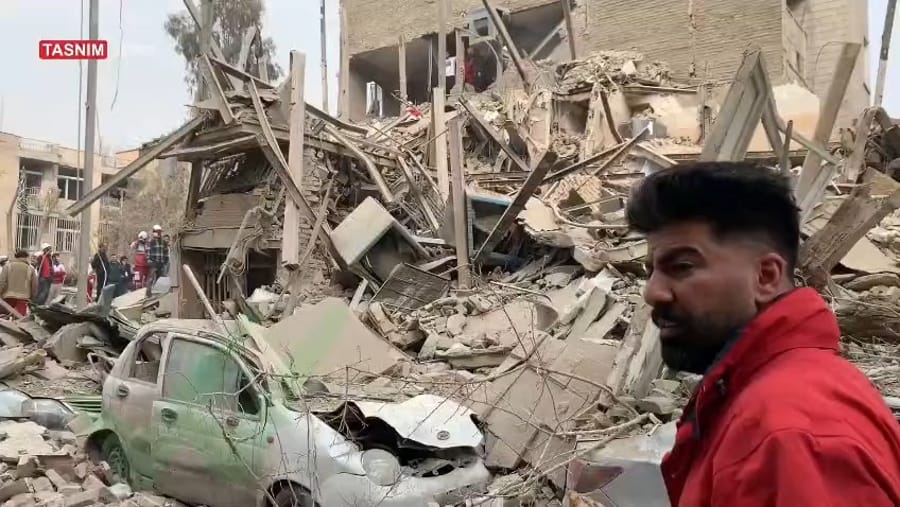
The IDF confirmed over 100 sites were hit in this broader campaign, involving around 200 aircraft and more than 330 munitions.
Additionally, the IAF dismantled a key facility in central Tehran used by Iran for developing anti-satellite attack capabilities. An IDF intelligence official from Unit 9900 stated the strike aimed to maintain Israel's dominance in space surveillance and prevent Iranian interference with satellite operations.
This action was part of a series of hits on space-related infrastructure, underscoring the campaign's expansion into advanced technological targets.
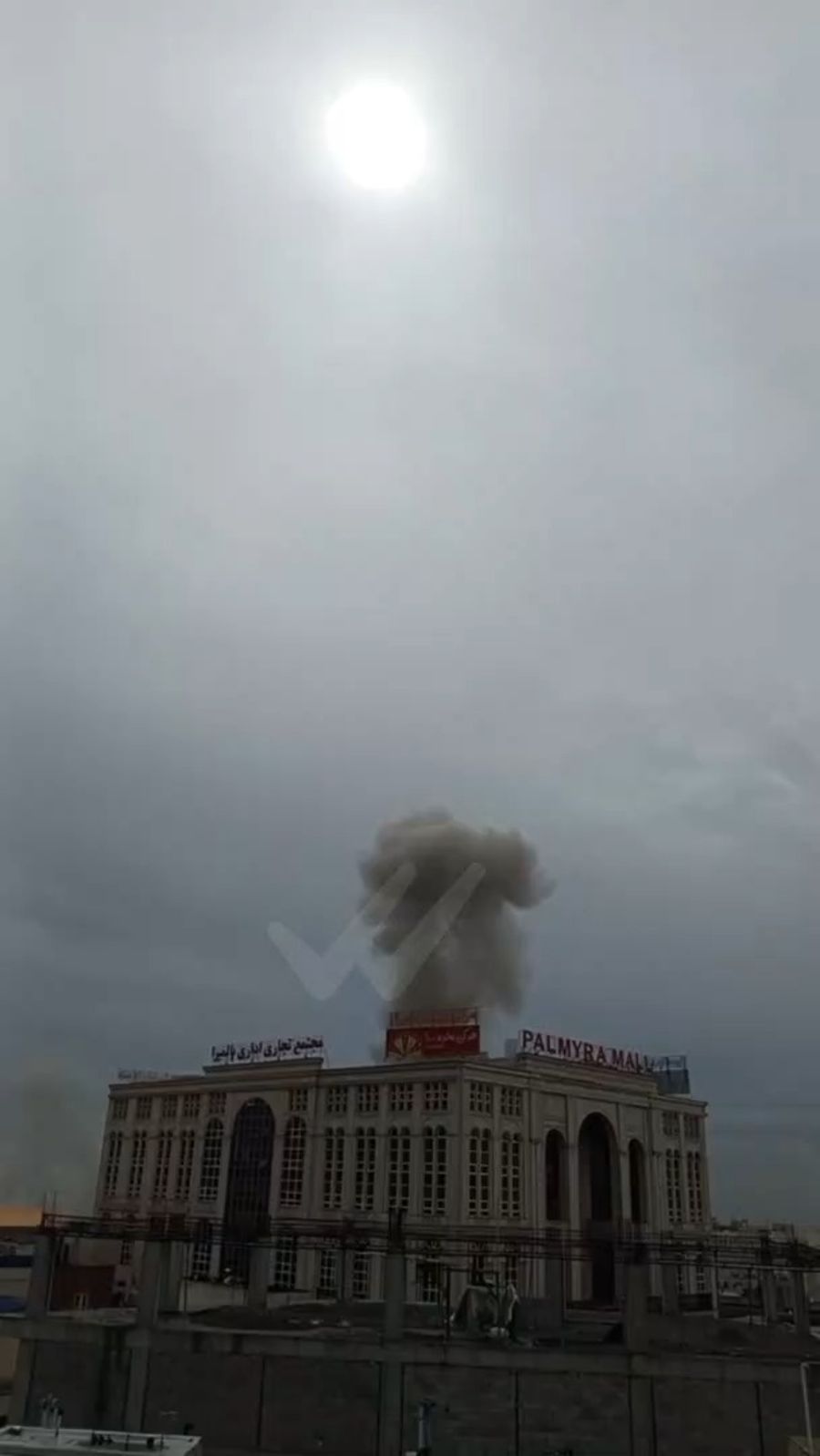
Further strikes reported on March 15 evening included missile and drone attacks on multiple Iranian cities and sites, such as Tehran, Isfahan, an airbase in Dezful, Hamedan, Tabriz, Khomein, Bandar Abbas, Qods, and Karaj.
USAF contributions included ongoing bomber missions and air superiority operations, with CENTCOM reporting dozens of recent strikes as part of over 6,000 combat missions flown in the conflict to date.
While cumulative figures highlight the scale, these latest actions reflect sustained pressure on Iranian naval and air defense assets.Israeli officials indicated that thousands of additional targets remain, with operations potentially extending for weeks.
This surge in activity follows Iran's fifth ballistic missile salvo toward Israel since midnight on March 16.