
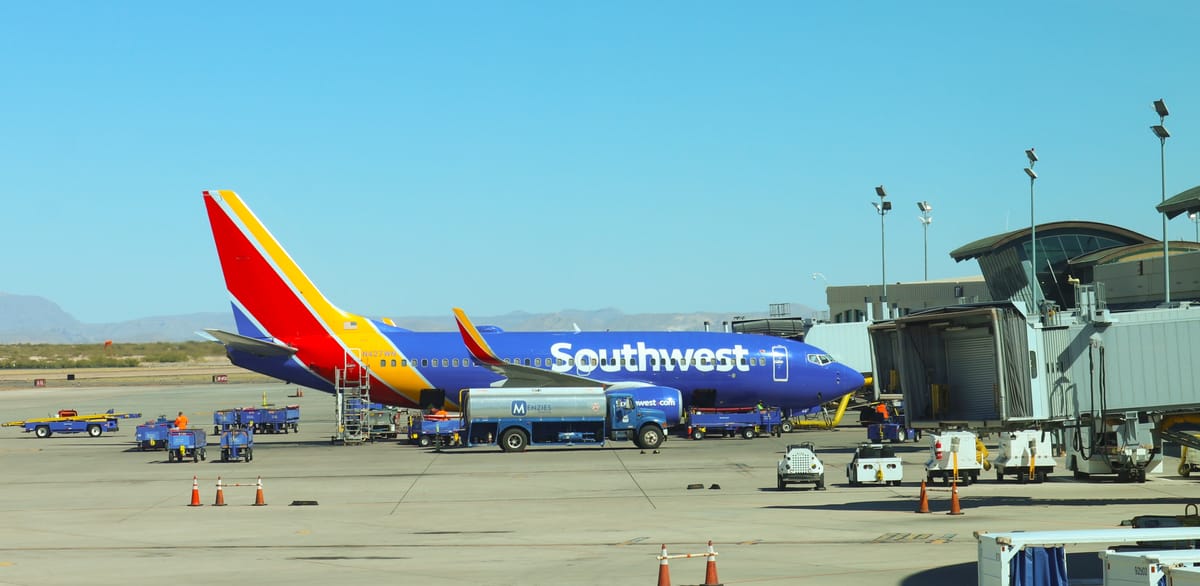
The dramatic 10-day shutdown of El Paso International Airport and nearby airspace over Santa Teresa, New Mexico, is over.
The FAA imposed the rare “National Defense Airspace” restrictions late Tuesday night (Feb 10) for “special security reasons,” grounding all commercial, cargo, and general aviation flights. This morning (Feb 11), just hours later, the agency suddenly reversed course.
The FAA stated:
“The temporary closure of airspace over El Paso has been lifted. There is no threat to commercial aviation. All flights will resume as normal.”
The move caught local officials and airlines completely off guard. Flights are now resuming, though some delays are expected as airlines recover.
The sudden 10-day shutdown that turned into a 9-hour mystery has left a trail of digital breadcrumbs. While the FAA is sticking to the "no threat" script to keep travelers calm, several high-level reports have painted a much more intense picture of what went down.
What We Know: The Drone "Breach"
According to multiple sources, including CNN and The Texas Tribune, the shutdown wasn't a clerical error, it was a reactive military response.
- The Incursion: Reports indicate that Mexican cartel drones actually breached U.S. airspace. This wasn't just a "nearby" sighting; the drones were reportedly operating in flight paths immediately adjacent to civilian aircraft serving El Paso International.
- The "Department of War" Response: A Trump administration official confirmed that the Department of War (the newly rebranded name for the Pentagon in this 2026 context) took direct action to "disable" these drones.
- Secret Tech: Sources briefed by the FAA mentioned that the military was testing and utilizing laser countermeasure systems from nearby Biggs Army Airfield at Fort Bliss. These are high-intensity systems that can disrupt or destroy drones in seconds, but they pose a major risk to civilian pilots' vision and electronics, hence the total airspace "blackout."
The Internal Power Struggle
Interestingly, the 10-day grounding was partly caused by a "bureaucratic impasse" between the FAA and the military:
- The military was reportedly running these unmanned operations against the cartels without sharing location data with the FAA.
- Because the FAA couldn't predict where these "tank-killer" drones or laser systems would be active, they chose to ground everything rather than risk a mid-air collision or a civilian jet being accidentally targeted.
Why the Sudden Reversal?
The "10-day" window was likely a placeholder for a sustained counter-cartel operation. However, the massive public outcry from local leaders like Rep. Veronica Escobar, who noted she received "zero advance notice," likely forced a swift de-escalation once the immediate drone threats were neutralized.