
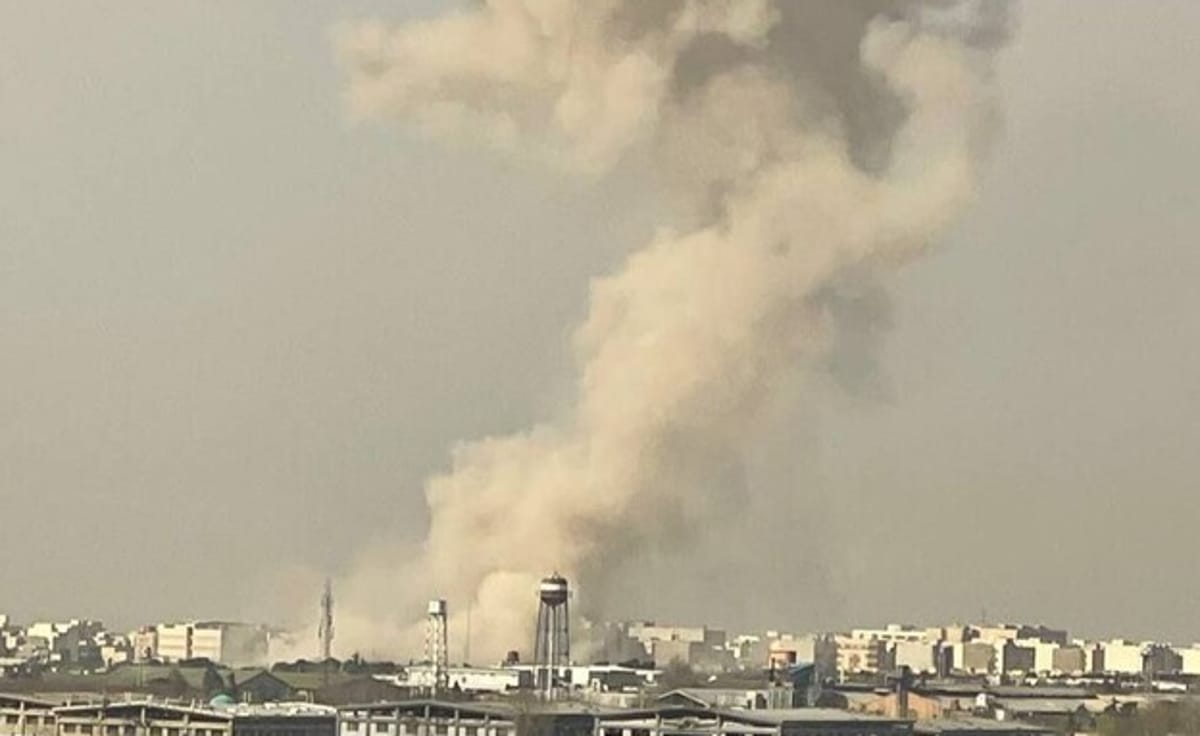
The Israeli military said it carried out a strike on a site in Tehran used for developing components related to nuclear weapons, as the joint US-Israeli campaign against Iran continues.
According to the IDF, the target was a facility at Malek Ashtar University, which operates under Iran’s defense ministry and is sanctioned by Western countries over its role in nuclear and ballistic missile programs. The military described the site as “strategic,” alleging it was used by Iran’s military industries for weapons-related research and development.
Iran has consistently denied seeking nuclear weapons, maintaining that its nuclear program is for civilian purposes. However, Israeli officials have long argued that Iran’s uranium enrichment levels and missile development indicate otherwise.
The strike comes amid continued operations by Israel and the United States aimed at degrading Iran’s military and nuclear capabilities. Reports earlier indicated that the Natanz uranium enrichment complex was also targeted, though the IDF said it could not comment on US actions.
Iranian authorities said there were no radioactive leaks following the reported strike on Natanz and that nearby populations were not at risk.
Israeli officials have identified Iran’s stockpile of highly enriched uranium as a key concern. Estimates suggest Iran possesses hundreds of kilograms of uranium enriched to 60 percent purity, a level close to weapons-grade and sufficient for multiple nuclear devices if further processed.
IDF Chief of Staff Lt. Gen. Eyal Zamir said the campaign against Iran is ongoing and described it as being at roughly the halfway point.
“We are halfway through, but the direction is clear,” Zamir said, adding that the cumulative impact of recent strikes is producing significant military and strategic effects.
He said the damage inflicted on Iran’s military infrastructure and leadership has weakened the regime and reduced its defensive capabilities.
Zamir also pointed to Iran’s recent launch of a long-range ballistic missile toward the US military base at Diego Garcia, saying the weapon demonstrated the broader threat posed by Iran’s missile program.
He noted that such missiles could reach major European capitals, underscoring the wider implications of the conflict beyond the Middle East.
The latest developments highlight the continued escalation in the conflict, with both sides targeting strategic military and infrastructure assets as the war enters its third week.