This comes amid reports that Iranian state media has promoted Carlson's content, even during blackouts in Iran, raising eyebrows about potential foreign influence on his platform.From an Israeli perspective, this theory resonates deeply. Carlson's July 2025 interview with Iranian President Masoud Pezeshkian was seen here as a propaganda coup for Tehran, amplifying narratives hostile to Israel at a time of rising tensions.
His recent episode with Bret Weinstein, peddling conspiracy theories about Israeli influence on U.S. migration and events, only fueled concerns of antisemitic undertones infiltrating conservative discourse.
Senator Ted Cruz's push to probe Carlson's Qatar home purchase and Iranian TV airings adds credence to the idea that his network might be a conduit for adversarial messaging.
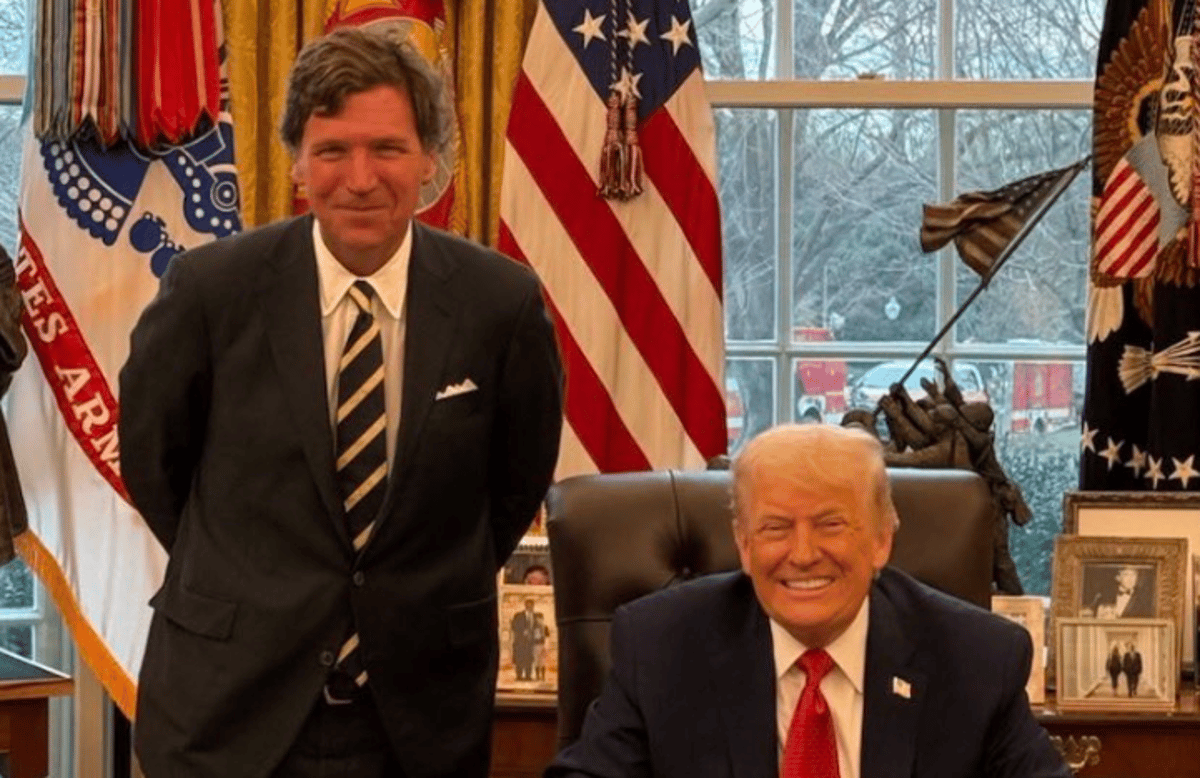
But what if Trump saw opportunity in the chaos? As one reply to Matau's post notes: "I remember when Tucker was bad mouthing Trump, and then the next thing we see is Tucker beside him in the White House. We were all like what’s up with that. Why does he have them there? Now we know Trump was using Tucker. Check mate."
The speculation is that Trump, aware of Carlson's contacts, fed him disinformation to mislead Iran—perhaps exaggerated troop movements or strike plans, that would filter back through those channels, sowing confusion in Tehran's ranks just before Epic Fury unleashed hell on Iranian targets.
If true, it's a page from the Mossad playbook: turn your enemy's assets against them. Israel has long navigated such shadows, from cyber ops disrupting Iranian surveillance to intelligence plays that exploit internal divisions.
Of course, this remains speculative, proof of any investigation into Carlson is pending, and Trump hasn't confirmed such tactics. But in a war where information is as lethal as missiles, underestimating the 47th president's cunning could be Iran's fatal error.
As the war grinds on, with Israeli jets dodging fire over Tehran, one thing is clear: alliances and enmities are fluid, and the real battles often unfold in the shadows. For Israel, any edge against the ayatollahs is welcome, checkmate indeed.