Israeli security officials are warning of a concerning trend as Hamas, under the leadership of Ezzedine al-Haddad, works to restore its civilian and military capabilities. This reconstruction effort is moving through three parallel systems designed to ensure the movement's survival and its ability to engage in future war with Israel. As negotiations regarding the permanent demilitarization of the Strip remain stalled, Hamas has taken advantage of the governance vacuum to reassert its influence over approximately 50% of the territory. The first phase of this strategy involves the re-establishment of civilian rule, including the activation of internal security mechanisms that enforce public order and conduct intelligence operations to identify and punish anyone suspected of collaborating with Israel.
The second focus of the Hamas recovery effort is the direct suppression of the emerging pro-Israel militias. Hamas security forces are engaged in a violent internal war to dismantle these rival armed groups, viewing them as a primary threat to their continued dominance over the Gazan population. By targeting these local leaders and their supporters, Hamas aims to prevent the establishment of any alternative local governance that might cooperate with the IDF. This internal enforcement is characterized by a brutal campaign of intimidation designed to remind residents that the regime still maintains its grip on the streets, even as the formal military conflict continues.
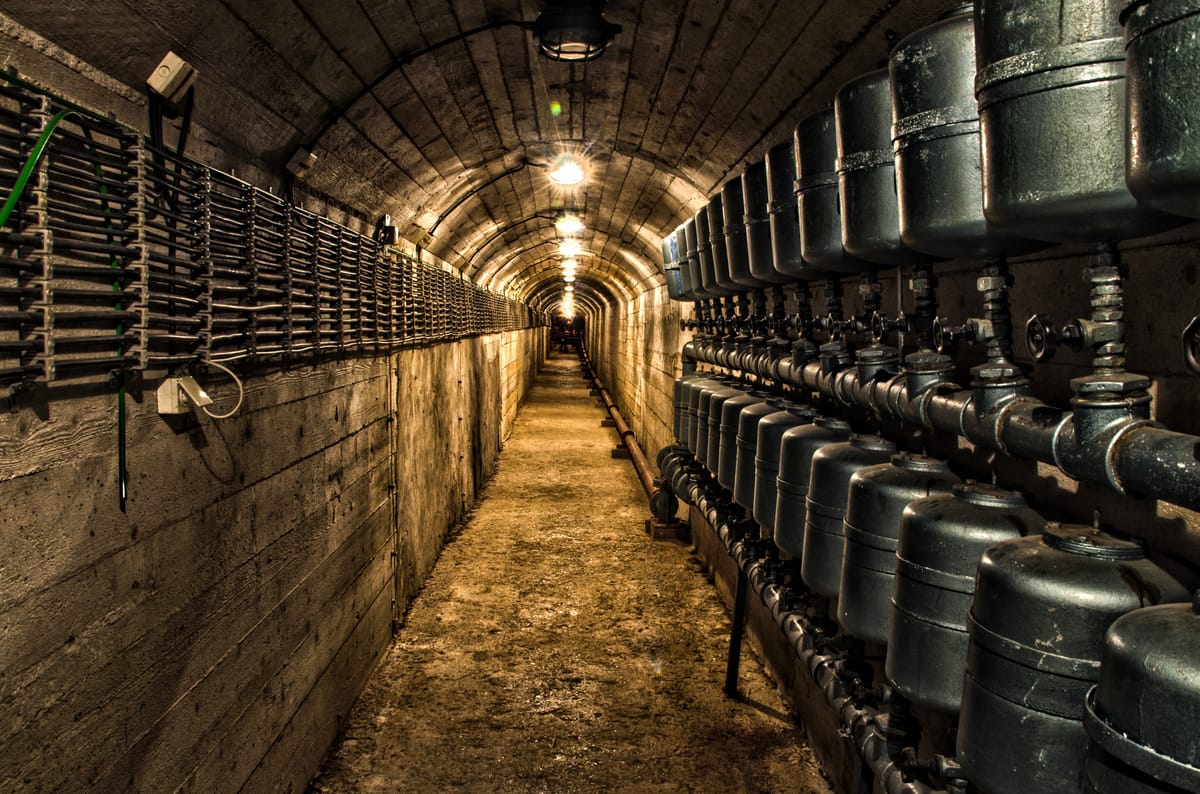
Finally, the third system involves the rehabilitation of the movement’s military wing. Efforts are underway to repair tunnels, recruit new fighters, and restore rocket production facilities wherever possible. Security experts emphasize that the current delay in implementing a "day after" plan for Gaza has provided the necessary oxygen for these systems to breathe. While the Israeli public has been largely focused on the northern front, the silent reconstruction of Hamas in the south presents a long-term strategic challenge. Without a clear and immediate transition to a non-Hamas governing body, the progress made in dismantling the group's infrastructure risks being undone as they prepare for the next phase of the war.