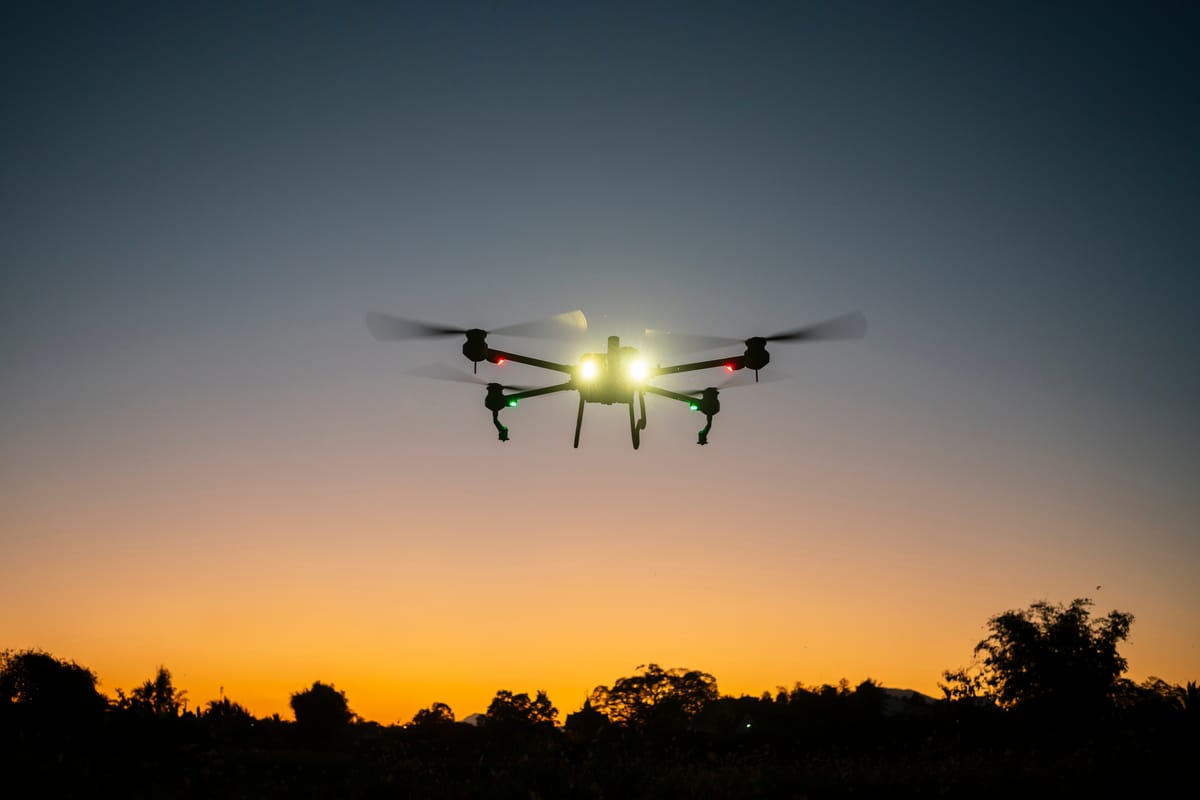
Turkish intelligence and counterterrorism units have successfully neutralized a dangerous Iranian espionage cell operating across five major provinces, uncovering a plot that targeted the strategically vital Incirlik Air Base. The operation, led by the National Intelligence Organization (MIT), resulted in the arrest of six suspects who were allegedly gathering sensitive military data for the Iranian Revolutionary Guard Corps (IRGC). Beyond simple surveillance, the investigation revealed a complex logistical network designed to move armed unmanned combat aerial vehicles (UCAVs) through Turkish territory and into Cyprus. This cell, which utilized encrypted messaging and front companies to mask its activities, represents a significant escalation in Tehran’s efforts to monitor and potentially threaten American and allied forces stationed in the region.
Surveillance and Sabotage Plans
The espionage network was reportedly directed by high-ranking Iranian intelligence officers identified as Najaf Rostami, known as “Haji,” and Mahdi Yekeh Dehghan, referred to as “Doctor.” According to investigators, Rostami tasked one of the suspects, Alican Koç, with recruiting individuals to take unauthorized photographs and video footage of the Incirlik Air Base in Adana. This base is a cornerstone of NATO’s regional security and a primary hub for American air operations, making it a high-value target for Iranian reconnaissance. The investigation also found that Koç and an Iranian national named Ashkan Jalali had traveled to Iran in late 2025 to attend specialized drone training sessions, preparing them for more technical operational roles.
The scope of the cell’s activities went beyond information gathering. One of the detainees, Remzi Beyaz, provided testimony claiming he was offered significant sums of money to participate in assassination plots targeting Iranian dissidents living in Türkiye. The group used an encrypted messaging system under the code name “Güvercin” (Pigeon) to coordinate their movements and report directly to their IRGC handlers. Financing for these operations was cleverly disguised through commercial drone trade activities, allowing the suspects to move funds and equipment without immediately alerting financial regulators.
The Cyprus Connection
A particularly alarming aspect of the investigation involves the planned transfer of armed drones to Cyprus. Ashkan Jalali, based in Ankara, allegedly used his companies, Bulaq Robotics and Arete Industries, as shells to facilitate the movement of UCAVs to both the Turkish Republic of Northern Cyprus and the Greek Cypriot administration. Two other suspects, Erhan Ergelen and Taner Özcan, both defense industry company owners, were identified as having traveled to Iran in October 2025 to finalize the logistical details for these shipments.
The Istanbul Chief Public Prosecutor’s Office has charged all six suspects with obtaining state secrets for political or military espionage. The timing of the bust is critical, as regional tensions continue to rise and the Iranian regime seeks new ways to bypass international surveillance. By attempting to establish a drone corridor through Türkiye and into Cyprus, Tehran aimed to expand its operational reach and create new pressure points against Western interests. The successful dismantlement of this network by Turkish security forces has prevented what could have been a series of coordinated strikes or assassinations across the Mediterranean.