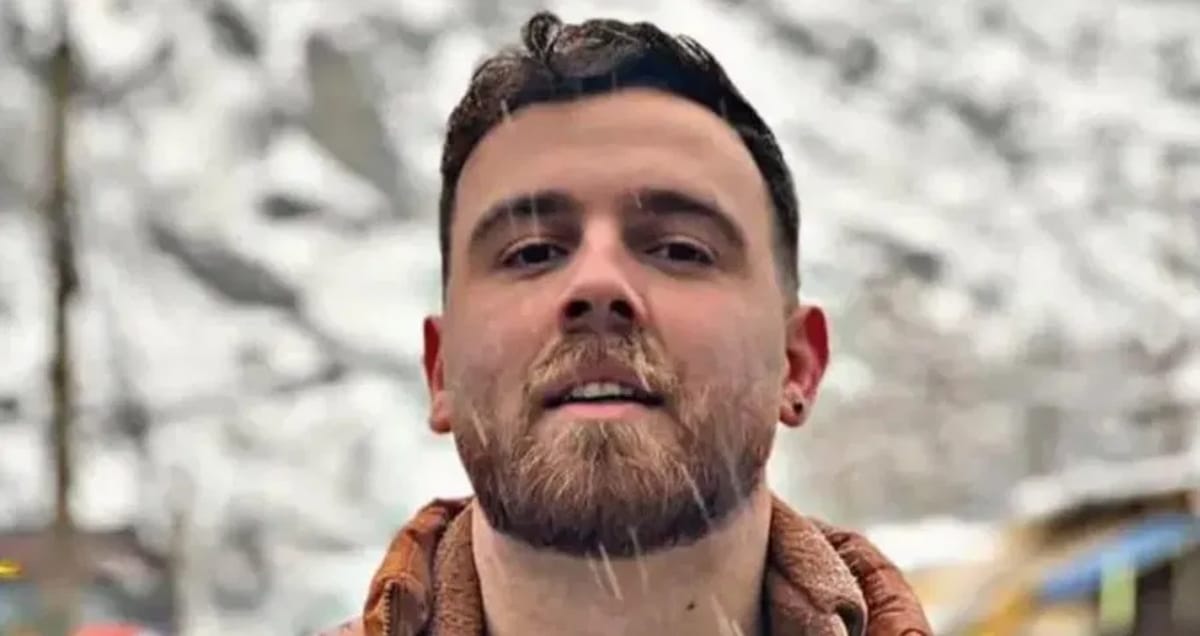
In a significant development DURING Iran's ongoing anti-regime protests, the judiciary in Tehran has announced that Erfan Soltani, a 26-year-old shopkeeper who became a symbol of the uprising, will not be executed, contradicting earlier reports from his family and human rights groups.
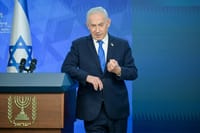
The statement, issued today, claims no death sentence was ever issued, despite widespread fears that Soltani was set to be hanged the previous day. This comes as U.S. President Donald Trump takes credit, attributing the decision to his threats of military action if executions proceeded.
Iran's judicial authority stated that Soltani is being held in Karaj Central Prison on charges of "conspiracy against internal security" and "propaganda against the system."
According to state media, Iranian law does not permit the death penalty for these offenses; if convicted, Soltani faces imprisonment.
The judiciary emphasized that no final verdict has been issued, rejecting reports of a death sentence as unfounded.
This directly contradicts statements from Soltani's family, who confirmed he was convicted of "moharebeh" (war against God)—a charge that can lead to execution—and that they were granted only 10 minutes for a final farewell.
Human rights organizations, including Hengaw, had reported his execution was imminent, scheduled for January 14, 2026, just days after his arrest during the protests.
The family's claims sparked global concern, highlighting the regime's rapid judicial processes amid the crackdown.
In previous unrest, Iran has frequently applied harsher charges like "moharebeh" or "corruption on earth," resulting in executions.
Activists fear this could be a tactical retreat to ease international pressure, rather than a genuine commutation.
The announcement follows U.S. President Donald Trump's warnings of "very strong action" if Iran executed protesters.
On January 14, during a White House signing ceremony for a new school milk law, Trump stated he had reliable information that "the killing has stopped" and no executions are planned.
He specifically referenced Soltani's case, expressing hope the pause continues.
On January 15, Trump posted on X (formerly Twitter), quoting Fox News: "Iranian protester will no longer be sentenced to death after President Trump’s warnings. Like others. This is good news. Hope it continues!"
The U.S. State Department has highlighted Soltani as "the first protester to be sentenced to death, but he won't be the last," urging global action.