Iranian authorities have sentenced 26-year-old protester Erfan Soltani to death, with the execution scheduled for January 14, 2026, just days after his arrest during the ongoing nationwide uprising.
Soltani was detained at his home in Fardis, Karaj (a suburb of Tehran) on January 9 or 10, amid widespread protests that have rocked Iran since early January. According to reports from Hengaw Organization for Human Rights, a Kurdish-Iranian monitoring group, and other sources, his family was informed of the death sentence on January 11 and granted only a brief 10-minute visit.
The charges against him remain unclear, but activists say his "crime" was simply participating in anti-regime demonstrations calling for freedom and regime change.
"This is how the Islamic Republic crushes dissent: Shut down the internet. Kill protesters in the streets. Start rapid executions to terrorize society into silence," tweeted Iranian-American journalist Masih Alinejad, highlighting Soltani's case as part of a broader pattern of repression.
The National Union for Democracy in Iran echoed this, stating, "Erfan’s only crime was calling for freedom. Be his voice."
The Center for Human Rights in Iran (CHRI) has warned of an escalating crackdown, noting that since the protests began, authorities have killed at least 27 civilians, including children, and arrested over 2,000.
Iran's Judiciary Chief Gholamhossein Mohseni Ejei has publicly called for "decisive response without leniency" against "rioters," raising fears of more death sentences, including on fabricated charges like espionage or collaboration with Israel.
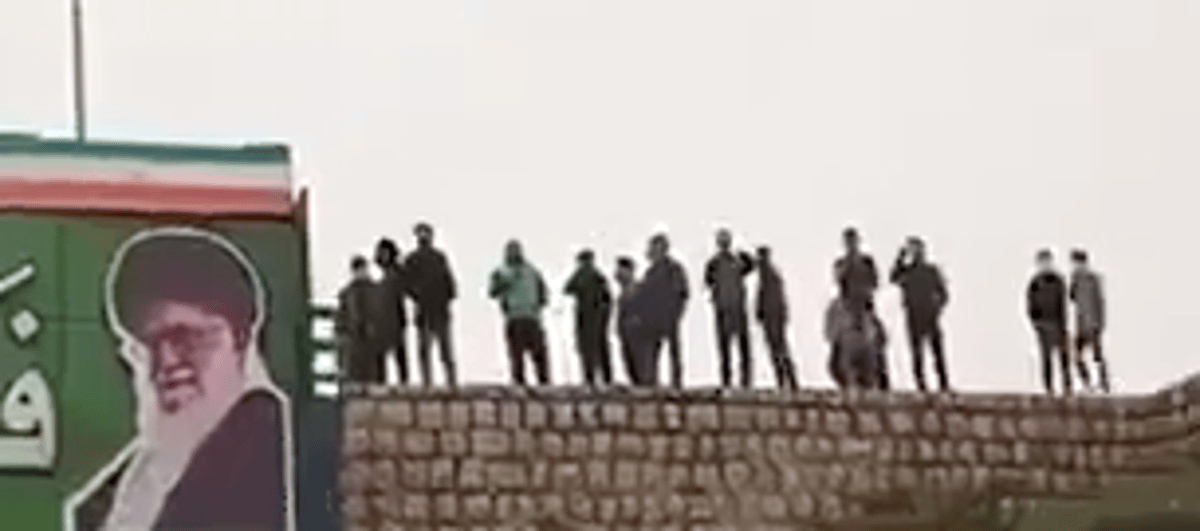
Protests, now in their third week, have spread to hundreds of locations across Iran, with demonstrators chanting slogans like "Long live the Shah" and demanding the return of Crown Prince Reza Pahlavi.
The regime has responded with live ammunition, internet blackouts, and mass arrests, confiscating weapons from alleged protest organizers.
International calls for intervention are mounting. On X, users and activists are tagging U.S. officials, including President Donald Trump and Senator Marco Rubio, urging action to prevent the execution.
"The world must act NOW to stop this crime against humanity," one post read.
CHRI's Executive Director Hadi Ghaemi stated, "Any death sentences or executions linked to these protests will constitute crimes under international law and will carry consequences."
No official response from Iranian authorities has been issued regarding Soltani's case.This development follows a pattern seen in previous uprisings, where the regime has used summary executions to instill fear. With the execution just two days away, human rights advocates warn that without immediate global pressure, more protesters could face similar fates.