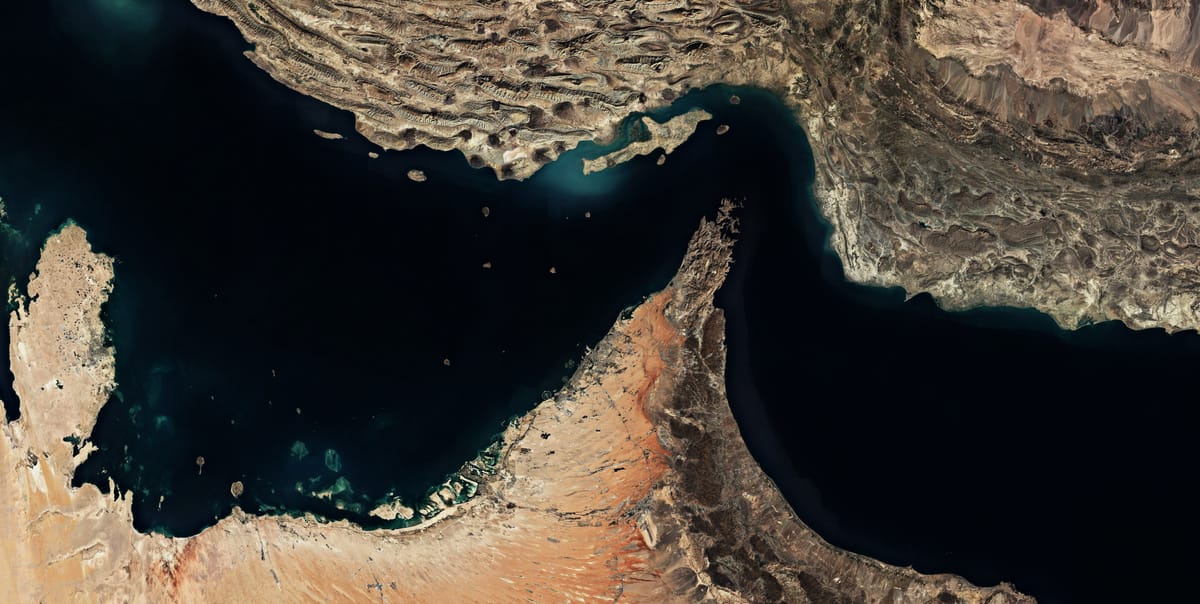
Iran has launched a new digital maritime insurance platform for vessels transiting the Strait of Hormuz, in what shipping industry sources see as an attempt to formalize Tehran’s control over traffic through the key waterway and generate revenue from the crisis.
The platform, called “Hormuz Safe,” was developed under Iran’s Economy Ministry and is intended to issue marine insurance policies and financial liability certificates for cargo moving through the Persian Gulf, the Strait of Hormuz and nearby waters.
According to Iranian state media, the system was created in response to heightened tensions and soaring war-risk premiums following the 2026 Strait of Hormuz crisis. The platform includes designated routes and fees for specialized services.
Payments can reportedly be made in Bitcoin and other cryptocurrencies, with instant blockchain settlement and digitally signed receipts. That structure appears designed to allow faster transactions while reducing reliance on traditional financial systems that are vulnerable to US sanctions.
Shipping industry sources described the platform as a formal mechanism for Iran to collect revenue from operators willing to move through waters under its control. Critics, however, have described it as a potential protection scheme, warning that vessels may effectively be pressured to pay Iran for safe passage through a waterway it helped destabilize. Because apparently maritime insurance needed to evolve into piracy with a payment portal.
US authorities have warned that payments connected to the platform could violate sanctions, particularly if the proceeds benefit Iranian state bodies, the Islamic Revolutionary Guard Corps or entities tied to Tehran’s blockade enforcement.
The launch comes as Iran continues to restrict movement through the Strait of Hormuz, while the United States maintains a blockade on Iranian ports. The closure of the strait, one of the world’s most important energy routes, has disrupted global oil and gas flows and contributed to a sharp rise in fuel prices.
The insurance announcement was accompanied by heightened wartime messaging inside Iran. On Friday night, Iranian state television aired several segments in which presenters appeared in studios holding rifles and discussing basic weapons handling. Some said they were learning how to use firearms and would join the war if necessary.
The broadcasts were picked up by Iranian outlets and circulated widely online. Supporters of the regime framed the segments as a sign of national mobilization, while outside observers described them as symbolic propaganda amid uncertainty over whether fighting with the United States and Israel will resume.
The rifle segments appeared limited to studio displays, but together with the “Hormuz Safe” platform, they reflect Tehran’s effort to project resilience, readiness and control as diplomatic talks remain stalled and the ceasefire comes under growing strain.