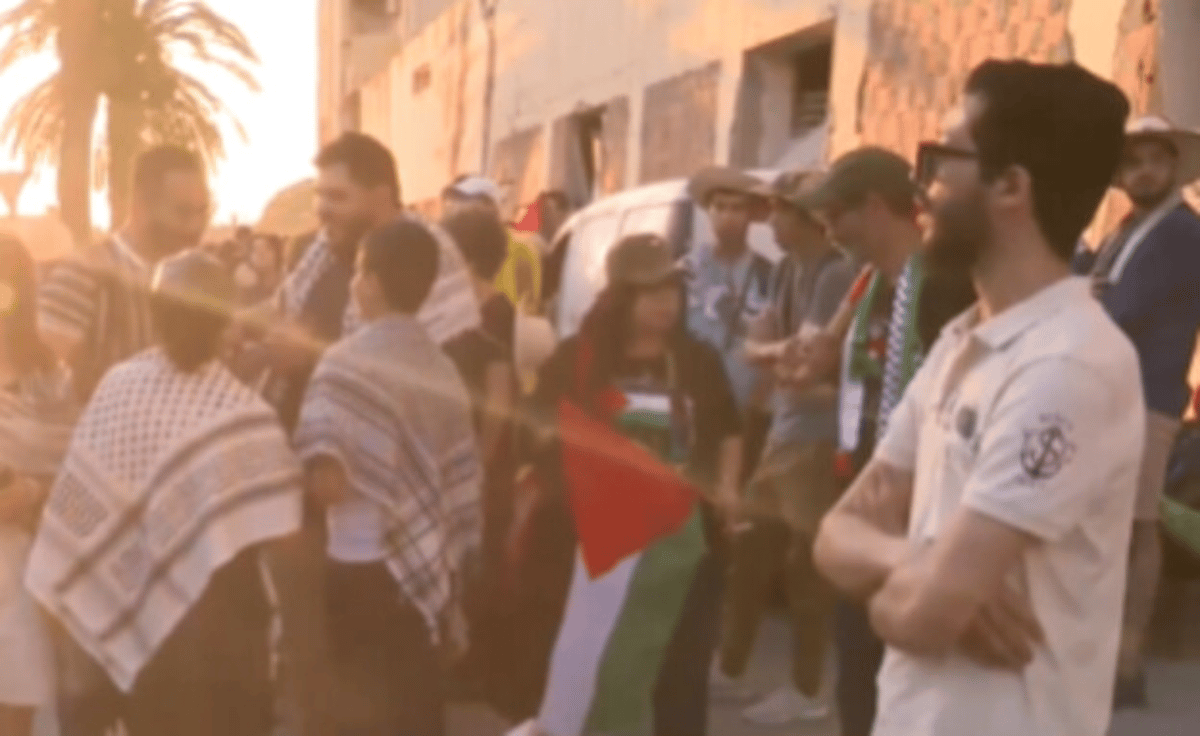
A land convoy of activists set out from Libya toward Gaza on Saturday as part of a broader flotilla effort aimed at challenging the Israeli and Egyptian blockade of the Hamas-ruled Gaza Strip.
According to the Global Sumud Flotilla, 30 vehicles left Zalitan in western Libya, heading first toward Sirte and ultimately toward Rafah. The convoy includes around 200 participants from 25 countries, traveling in 20 mobile homes, seven ambulances or medical transport vehicles, and other vehicles.
The group said the delegation includes doctors, nurses, engineers and builders.
GSF Steering Committee member Ahmed Ghaniya said the convoy was being supported by local hosts and the Libyan Red Crescent. He said the activists intended to follow approved routes but remained focused on reaching Gaza.
“Our goal is clear: to reach Gaza and break the siege,” Ghaniya said.
The convoy is moving alongside a maritime flotilla of 54 vessels that departed from Turkey on Thursday. That effort follows a previous blockade attempt in April, when the Israeli Navy intercepted 20 activist vessels before they could reach Gaza.
Among those involved in the Libya convoy is Turkish activist Ahmet Aydan Bekar, who participated in the 2010 Mavi Marmara blockade run. He said the group was determined to break what it calls an illegal siege and bring attention to Gaza.
Nkosi Zwelivelile Mandela, Nelson Mandela’s grandson and a past flotilla participant, said on Instagram that the mission was meant to deliver humanitarian aid and push for the free flow of assistance into Gaza. He also called for the release of all “Palestinian prisoners” and for a “free Palestine from river to sea.”
“We say to the Israeli entity that it doesn’t matter to us how many times we are intercepted, arrested and tortured. We will not be silenced,” Mandela said.
The land effort faces major logistical and political obstacles. A much larger Maghreb Resilience Convoy left Tunisia in June with around 300 vehicles and thousands of activists, but stalled in Sirte after Libyan forces denied passage. Organizers later disbanded the convoy and returned to Tunisia, saying Egyptian officials had rejected their proposals to enter the country.
Activists also previously attempted to march to Rafah from Egypt, but around 200 were arrested and deported after arriving in Cairo or from their hotels. Some later clashed with Egyptian security forces near the Ismailia checkpoint.
Israel says there are no restrictions on humanitarian aid entering Gaza. The Coordinator of Government Activities in the Territories said Saturday night that 600 aid trucks enter the Strip daily.
The convoy’s chances of reaching Rafah remain unclear, given Libya’s internal security conditions, Egypt’s previous refusal to allow activist marches toward Gaza, and Israel’s stated opposition to blockade-breaking efforts.