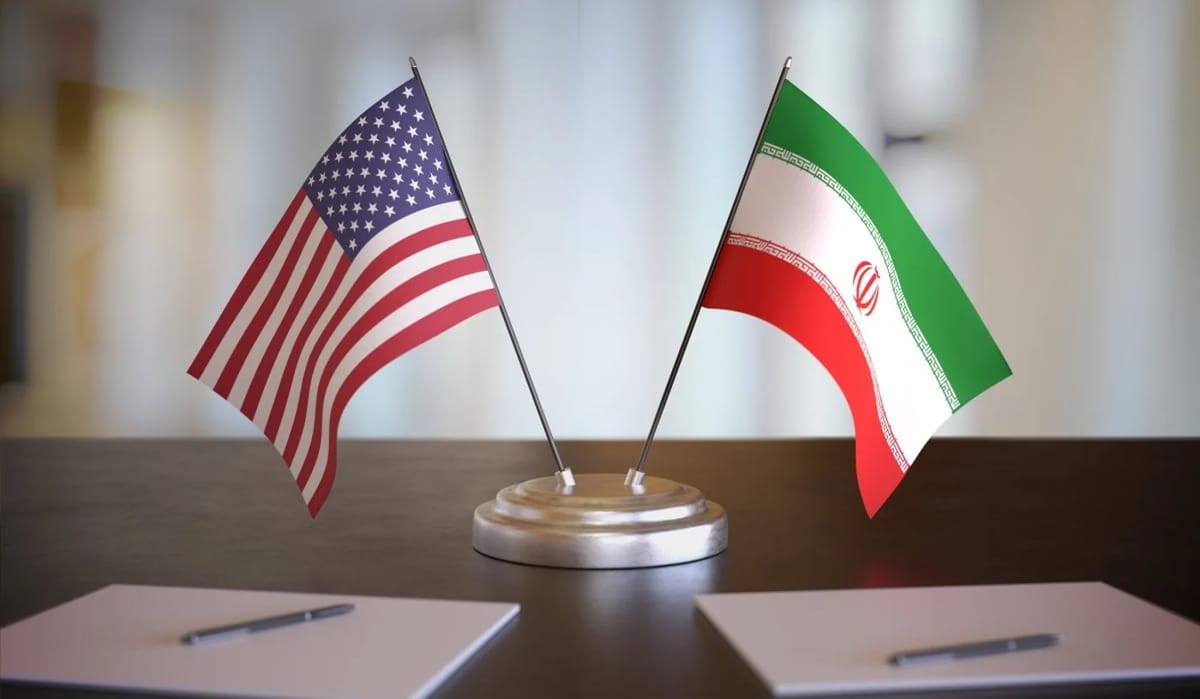
The U.S.-Iran nuclear talks that were supposed to begin Friday finally got underway Sunday in Birkenstock, Switzerland, but Iran wasted no time making clear the negotiations would be anything but straightforward, arriving at the table with a set of preconditions that immediately complicated the agenda.
The opening session was a three-way meeting involving American and Iranian delegations alongside Qatari mediators, and according to reports, the first item on the agenda was not uranium enrichment or sanctions relief, it was Lebanon.
Iran's position, as reported by Tasnim News Agency, which is affiliated with the Islamic Revolutionary Guard Corps, was unambiguous: the Strait of Hormuz will not reopen until a ceasefire is reached in Lebanon and sanctions exemptions are granted on Iranian oil exports. The linkage is significant. Tehran is essentially holding one of the world's most critical shipping lanes hostage to Israeli military conduct in southern Lebanonm a demand that puts Washington in the uncomfortable position of being asked to pressure its closest regional ally as the price of diplomatic progress.
Iranian representatives also warned the United States and mediating countries directly that the Lebanese front is a central and critical axis for the talks — and that continued Israeli strikes there could halt the negotiations entirely. Tehran has argued that Israel's ongoing operations in southern Lebanon constitute a violation of the first clause of the memorandum of understanding signed with Washington earlier this week.
The nuclear file, meanwhile, was conspicuously absent from Sunday's agenda, according to Iranian reports. That said, International Atomic Energy Agency chief Rafael Grossi traveled to Switzerland and sought to participate in discussions related to the MOU, a signal that the nuclear dimension remains very much in the background even if it was not formally on the table in the opening round.
The rocky road to Sunday's session underscored how fragile the process remains. Talks had originally been scheduled for Friday, just 24 hours after the MOU was signed, but the Iranian delegation suspended its planned travel at the last minute, citing Israeli strikes in southern Lebanon as a protest. Secretary of State Marco Rubio then announced the cancellation of his own planned travel, and the opening session collapsed before it began. The delegations ultimately regrouped over the weekend and made it to Switzerland by Sunday, but the pattern of last-minute brinkmanship set an uneasy tone.
The core tension now is structural: Iran wants the Lebanon ceasefire and the Hormuz question resolved as part of, or as a precondition to, any broader nuclear framework, while the United States has sought to keep the tracks separate. How that gap is bridged, if it is, will determine whether the Switzerland talks produce anything durable or become another in a long series of diplomatic near-misses.