Iranian officials signaled that the Strait of Hormuz will remain effectively closed to normal traffic until Tehran is compensated for damages from the ongoing war, underscoring the growing economic stakes of the conflict.
In statements published Sunday and Monday, Iranian leadership figures said the strategic waterway would not return to its pre-war status and could be subject to long-term changes. The IRGC Navy is reportedly completing preparations for what it described as a “new order” in the Persian Gulf, suggesting a shift in how maritime access will be controlled.
Seyyed Mohammad Mehdi Tabatabaei, a senior official in the Iranian president’s office, said the strait would only fully reopen once compensation is secured. He indicated that Iran expects damages from the conflict to be offset through revenues collected from transit tolls, framing the move as both economic and strategic leverage.
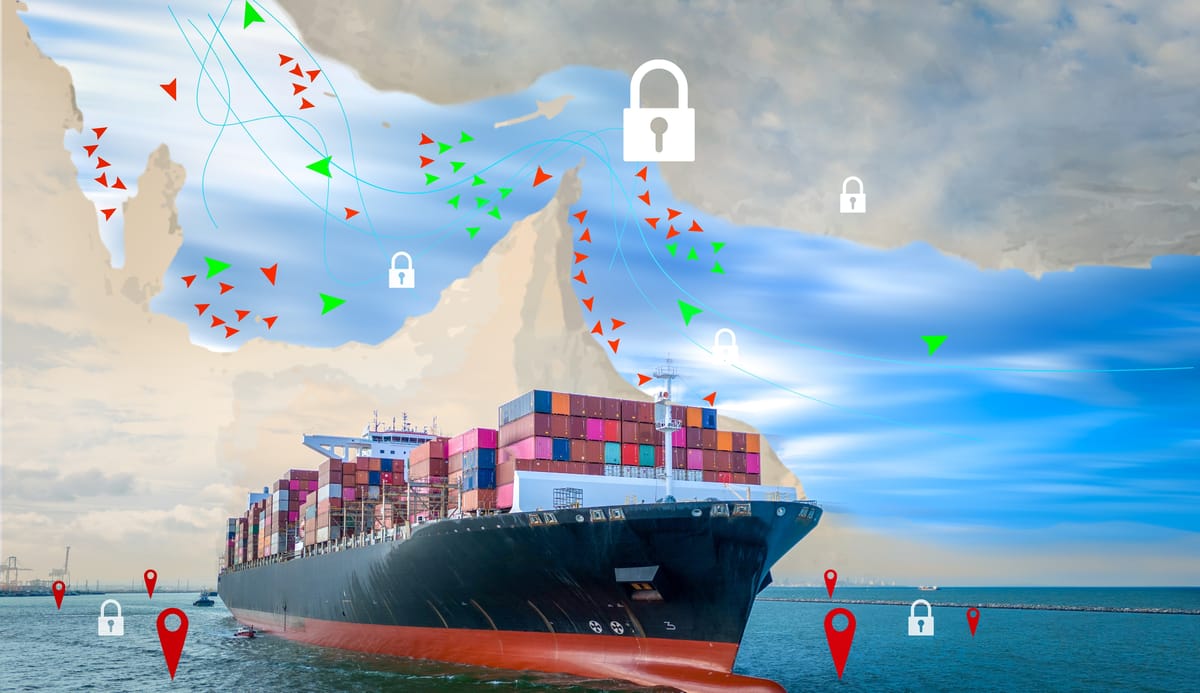
Since the start of the war, Iran has restricted access to the strait, a chokepoint through which a significant portion of global oil and liquefied natural gas normally flows. While some non-Iranian vessels have been permitted to pass, reports indicate that Tehran is charging steep fees for transit, in some cases reaching into the millions of dollars.
The partial closure has already disrupted global energy markets, contributing to sharp increases in oil prices and supply uncertainty. Analysts have warned that prolonged restrictions could further strain supply chains and deepen the economic impact worldwide.
At the same time, there are signs of selective flexibility. Iraq’s state oil marketer has asked customers to submit updated loading schedules after reports that Iranian authorities may be allowing Iraqi shipments to move through the strait without the same level of restriction. Iraqi export terminals remain operational, according to official communications, and the country is attempting to maintain stable output despite regional instability.
The evolving situation reflects Iran’s attempt to balance pressure on global markets with maintaining some degree of controlled flow through the waterway. However, the broader message from Tehran remains clear: access to the Strait of Hormuz is now tied directly to the outcome of the war and any potential financial or political settlement.
With no agreement yet in place and negotiations still uncertain, the future of one of the world’s most critical energy corridors remains highly unstable.