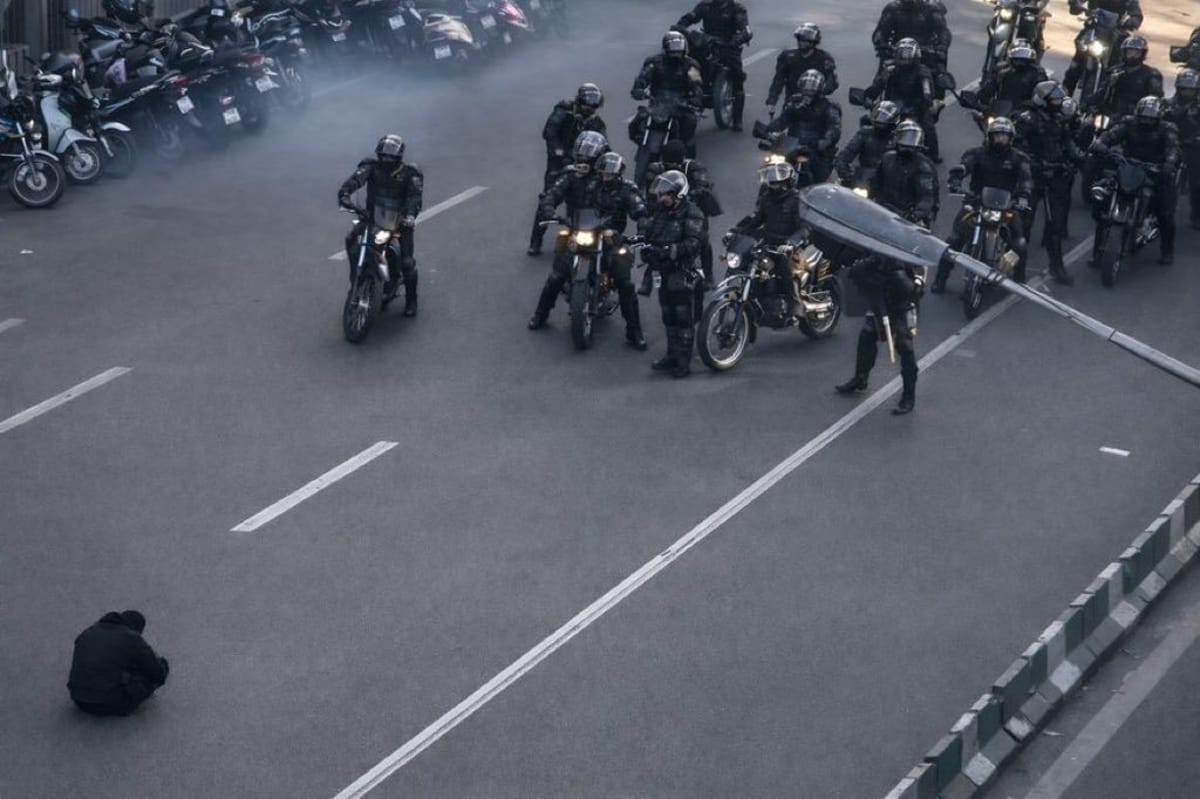
Iranian officials privately believe the Islamic Republic has entered “survival mode” as nationwide protests intensify, according to reports citing senior figures involved in internal deliberations. At least 16 people have been killed during a week of unrest, rights groups say, as demonstrations spread across much of the country and clashes with security forces grow more violent.
The protests, the largest in roughly three years, began among bazaar traders and shopkeepers before expanding to students and provincial cities. While initially driven by economic grievances, chants have increasingly targeted Iran’s clerical leadership. Inflation has hovered above 36 percent, the rial has lost about half its value against the dollar, and renewed international sanctions have deepened public anger.
Behind closed doors, senior officials have acknowledged the regime’s vulnerability. According to officials quoted in the New York Times, the Supreme National Security Council has debated how to curb unrest without resorting to the kind of mass violence that could further inflame public rage or invite foreign intervention. Contingency planning has reportedly included scenarios involving possible military strikes on Iran.
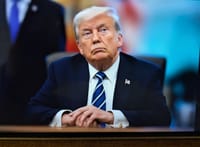
Against this backdrop, Donald Trump has repeatedly warned Tehran against killing protesters. Speaking to reporters, he said the United States was watching events closely and would respond forcefully if violence escalated. Iranian leaders have countered with warnings of retaliation, framing Trump’s statements as direct interference in Iran’s internal affairs.
A particularly striking claim emerged from an intelligence report cited by the British press, which alleged that Supreme Leader Ali Khamenei, 86, has a “plan B” to flee to Moscow with close aides and family members if security forces fail to contain the unrest or begin to defect. Iranian officials have not commented on the report, but the comparison to Syria’s Bashar al-Assad, who fled to Russia after losing control, has circulated widely among analysts.
Publicly, some officials have adopted a softer tone. President Masoud Pezeshkian has called for a “kind and responsible” approach toward protesters, saying society cannot be calmed by force alone. At the same time, police and Revolutionary Guard units have continued arrests, targeting what authorities describe as protest organizers and online activists.
The violence has been most severe in western Iran, particularly in Kurdish areas, where rights groups accuse security forces of opening fire on demonstrators. Funerals for those killed have themselves turned into protests, with mourners chanting against the government.
Despite official attempts to downplay the unrest, demonstrations have been reported in more than 20 provinces. With the economy in free fall, international pressure mounting, and foreign threats looming, officials’ own language suggests a regime focused less on reform than on sheer political survival.