Israel’s seam line communities in the Hefer Valley look like the kind of place that belongs on a brochure: quiet streets, neat private homes, green fields, big playgrounds, people jogging in winter drizzle like nothing in the world is wrong. And that’s exactly the problem. Since October 7, residents say the normal scenery now feels like camouflage for a vulnerability they can’t unsee.
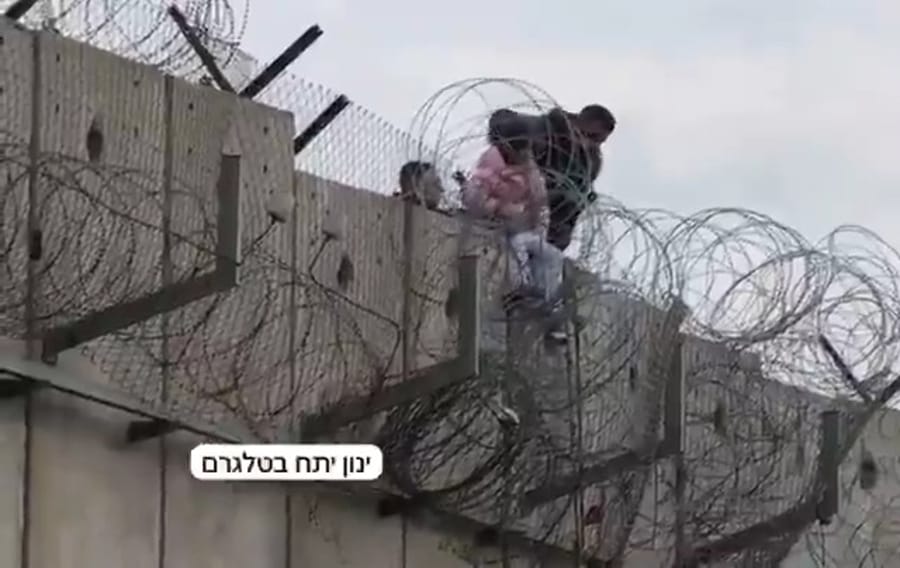
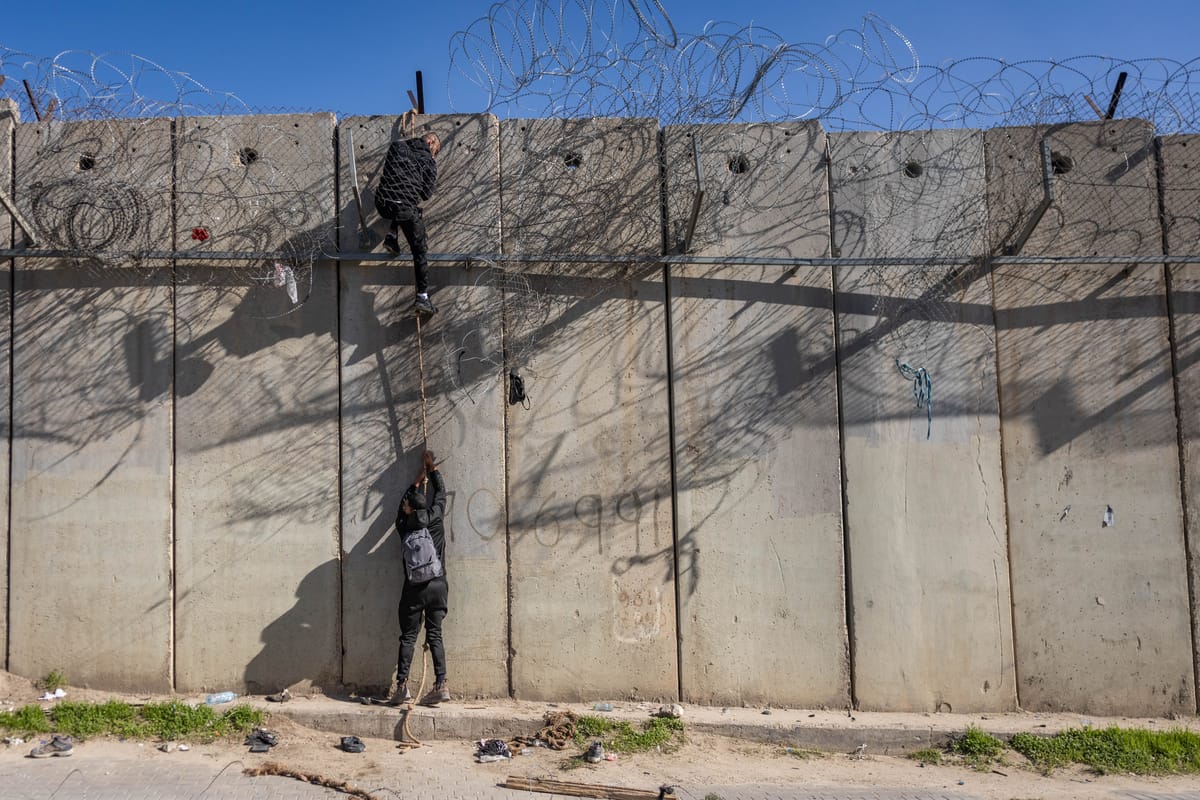
That anxiety spiked again after Friday’s deadly combined terror attack in the Ein Harod area, where two people were killed, and after new footage showed Palestinian illegal entrants (shabachim) crossing the security fence into Israel near Jerusalem, from the same area the attacker allegedly infiltrated before making his way north. For communities sitting right on the barrier, the message is not subtle: if someone can get in there, someone can get in here.
In Bat Hefer, one of the largest towns along the seam line, the physical reality is stark. The nearest homes sit roughly 300 meters from houses in the Palestinian village of Shuweika, near Tulkarm. Between them are agricultural fields and open space that, in ordinary times, is just countryside. In this climate, it’s an approach route.
Residents describe living with a constant background hum of fear, intensified by gunfire sounds from across the fence and by the memory of October 7. Avi, a Bat Hefer resident, said the sense of vulnerability is now permanent: it’s “just like Oct. 7,” he explained, adding that people are trying to trust the IDF patrols and the local rapid-response teams while hoping the area doesn’t face another breach.
That trust is being tested by the scale of the phenomenon. A report published Sunday said tens of thousands of Palestinians without permits are currently inside Israel, tied to a long-running policy that began around two decades ago, after the Second Intifada and the completion of major sections of the security barrier. The logic has always been economic: in the Palestinian Authority areas, monthly wages can hover around ₪1,200–₪1,500, while in Israel workers can earn six to seven times that. The practice has been tolerated, critics argue, through years of “looking the other way” across multiple levels of command. Then, every year or two, after attacks linked to fence breaches, there are enforcement operations that detain infiltrators, many of them laborers looking for work. The fence remains breached. Everyone repeats the same surprised face. Humanity continues its proud tradition of not learning.