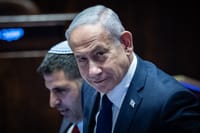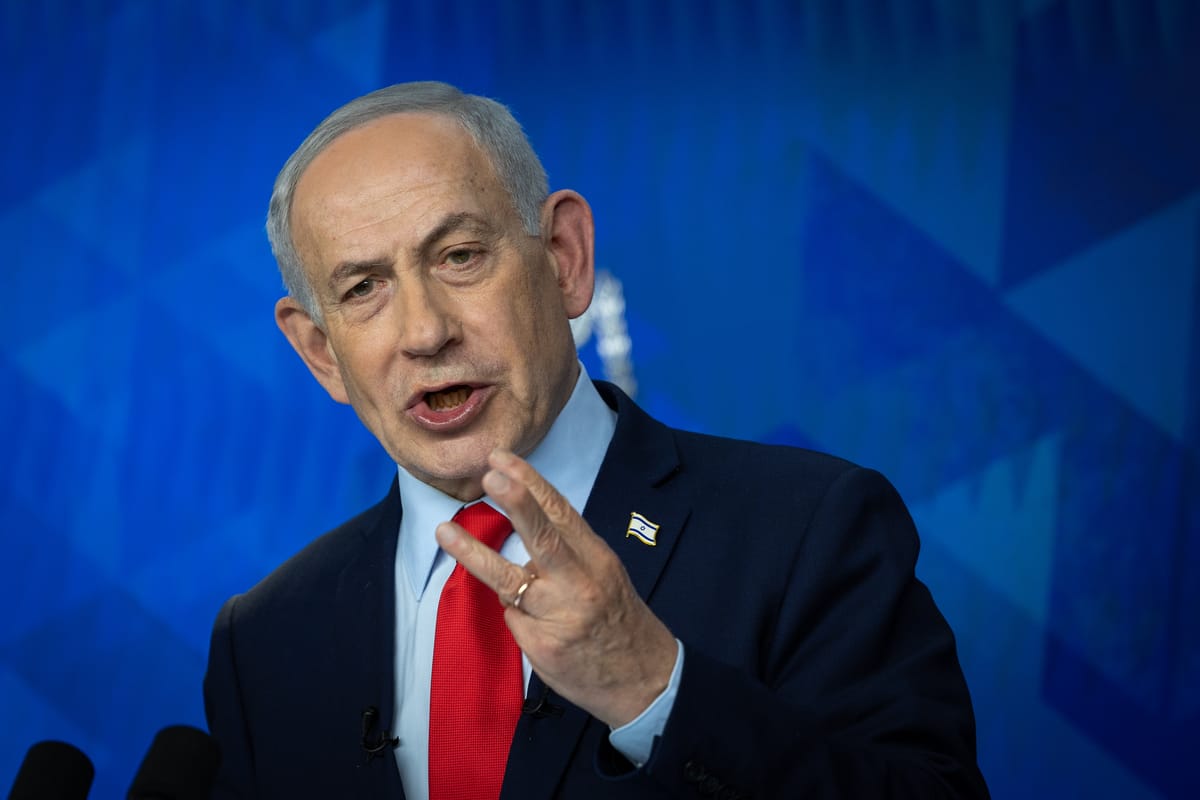
Prime Minister Benjamin Netanyahu concluded his emergency diplomatic mission to Washington with a clear message of support for President Donald Trump’s hardline strategy, tempered by a stark warning regarding the reliability of the Iranian leadership. Speaking to reporters on the tarmac at Joint Base Andrews before departing for Israel, Netanyahu characterized his discussions with the American President as exceptionally close and candid. While he acknowledged that the specific conditions Trump has laid out for a potential nuclear deal are strong and serve global interests, the Prime Minister did not mince words about his lack of faith in the Islamic Republic’s intentions. Netanyahu emphasized that for any pact to be acceptable to Israel, it must look far beyond uranium enrichment and address the regime’s regional aggression and its massive ballistic missile arsenal.
Skepticism at the Boarding Stairs
Netanyahu’s comments reflected a strategic gap between the White House’s optimism and Jerusalem’s long standing caution. "I have just finished a short but important visit to Washington, and in its framework, I spoke with our great friend, President Trump," Netanyahu said, noting the "tight, true, and open bond" between the two men. He revealed that Trump believes the Iranian leadership has finally realized they are facing a vastly different American administration than in the past. According to the Prime Minister, Trump thinks the combination of his tough terms and the regime's memory of past failures might force them into a "good agreement."
However, Netanyahu remained firm in his personal assessment of the situation. "I want to say clearly: I am not hiding my general skepticism regarding the possibility of reaching any agreement with Iran," he stated. This skepticism is rooted in decades of Iranian deception and the ongoing support for terrorist groups across the Middle East. Netanyahu’s message was a reminder that while Israel respects the diplomatic process, it is not banking on a breakthrough.
Red Lines and Regional Security
The Prime Minister used his final moments on American soil to reiterate the core components Israel requires in any final status agreement. He noted that he brought "the components important to Israel" directly to the President’s attention. These include not just nuclear restrictions, but also a total halt to the development and stockpiling of ballistic missiles and an end to the funding of Iranian proxies. "If an agreement is reached, it must include the components important to us and to the entire international community," he explained.
The discussions also spanned the future of Gaza and the broader regional stability, though the Iranian nuclear threat remained the dominant theme. Netanyahu concluded by praising the American leader, calling him "a president like no other" and a "great friend of the State of Israel." As Netanyahu’s plane took off, the focus shifted to the IDF’s unprecedented direct outreach to the Iranian public, encouraging cooperation against the regime. The visit served to synchronize the clocks between Washington and Jerusalem, ensuring that if diplomacy fails as Netanyahu expects, the two allies are ready to move forward with their joint military contingencies.