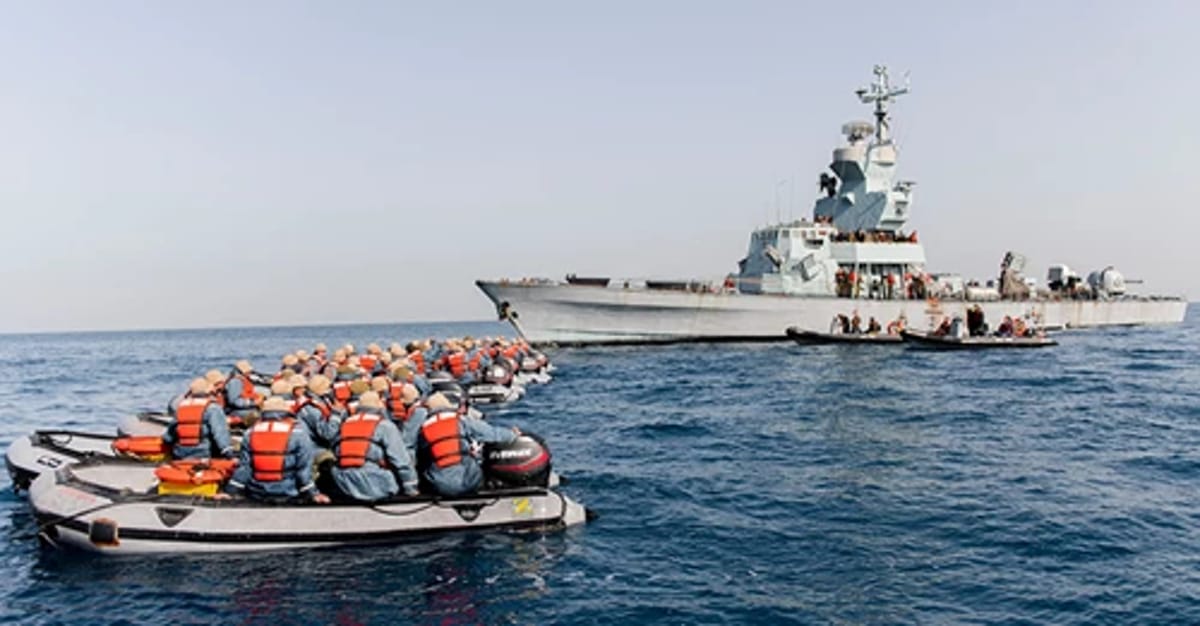
The Israeli Navy successfully concluded a high-intensity, large-scale maritime exercise this week, designed to test the military's readiness against a diverse array of threats across the Mediterranean and Red Sea arenas. The drill, which spanned several days and mobilized nearly every branch of the naval fleet, focused on the critical task of defending the nation’s territorial waters and essential offshore strategic assets, particularly the multi-billion dollar natural gas rigs that power the country. In a display of integrated military might, the exercise saw warships and submarines operating in lockstep with the elite Shayetet 13 naval commandos, while receiving extensive support from the Israeli Air Force and advanced cyber defense units. This surge in training comes as the region faces an increasingly volatile security landscape, requiring the IDF to maintain a constant and overwhelming presence at sea.
Protecting the Nation’s Energy Lifeblood
A central component of the exercise was the simulation of complex attacks on Israel's exclusive economic zone, where offshore platforms like Leviathan and Tamar remain top-tier targets for regional adversaries. The Navy’s Sa'ar 6-class corvettes, which were specifically designed for the protection of these gas rigs, led the defense maneuvers. These vessels utilized their shipborne C-Dome systems, the naval version of the Iron Dome, to practice intercepting incoming aerial threats such as explosive drones and cruise missiles. "The exercise was aimed at improving the Navy's readiness for defending Israel's territorial waters and strategic assets at sea," the IDF stated in an official release following the conclusion of the drills.
The training scenarios were not limited to long-range missile defense. Sailors and special forces practiced responding to "asymmetric" threats, including seaborne infiltrations by small, fast-moving boats and underwater sabotage attempts. Shayetet 13 commandos conducted ship-boarding exercises and high-speed interceptions, simulating encounters with terrorist teams attempting to breach maritime perimeters. The IDF noted that the troops practiced scenarios involving "fighting in open sea and near the coast," ensuring that the fleet is capable of operating effectively whether in deep waters or in the immediate vicinity of Israel’s vital ports.
A Multi-Front Technological Shield
The drill also highlighted the military's growing reliance on multi-branch coordination and technological superiority. The C4I and Cyber Defense Directorate played a pivotal role, simulating attempts by hostile actors to disrupt naval communications and navigation systems. By integrating cyber units into the physical drill, the Navy ensured that its command-and-control structures could remain operational even under a massive digital assault. Additionally, the Israeli Air Force provided aerial reconnaissance and coordinated strike support, practicing the seamless transfer of target data between fighter jets and missile boats.
Hundreds of sailors, including divers and border security units, were pushed to their limits throughout the week. The military emphasized that this level of preparedness is essential for a "multi-front combat" reality, where threats could emerge simultaneously from northern waters or the Red Sea. By combining the stealth of its Dolphin-class submarines with the visible power of its surface flotillas, the Israeli Navy sent a clear message that it is prepared to engage in a full-scale war to safeguard the country's maritime borders and economic stability.