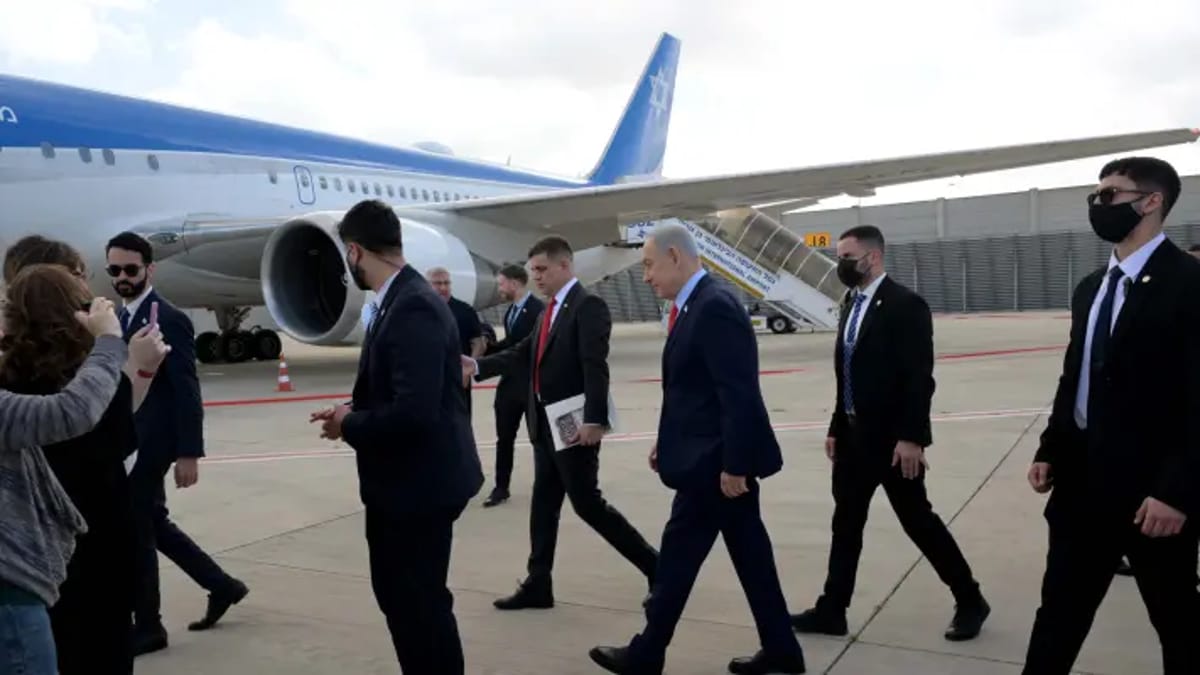
Prime Minister Benjamin Netanyahu has decided not to travel to Washington next week for the AIPAC conference or President Donald Trump’s Peace Council meeting, an official familiar with the matter confirmed. The cancellation comes amid escalating tensions with Iran and persistent regional security threats that require the prime minister's direct attention in Israel.
Netanyahu was scheduled to meet with Trump and address AIPAC, marking what would have been his seventh visit to the White House since Trump returned to office last January. Instead, both he and opposition leader Yair Lapid will participate remotely in the key events. The decision reflects the gravity of the current situation, particularly as diplomatic talks with Iran remain uncertain and U.S. military forces continue reinforcing positions in the Gulf.
The prime minister's office has not issued a formal statement detailing the exact reasons, but sources close to the matter pointed to the need to stay in close contact with security chiefs amid intelligence assessments of Iranian activities and the fragile status of nuclear negotiations. Recent developments include Iran's repeated warnings that any strike would trigger a broad regional response, coupled with U.S. consideration of additional carrier strike groups to the area.
Netanyahu has consistently emphasized Israel's red lines in any potential deal with Iran, including strict limits on ballistic missiles and proxies in addition to nuclear restrictions. His physical presence in Israel allows him to oversee preparations and coordinate closely with defense officials during this sensitive period.
The move also avoids any perception of reduced focus on domestic and regional fronts while diplomatic efforts continue in Oman and other channels. Lapid's remote participation aligns with the same security considerations, ensuring opposition input without unnecessary travel risks.