Bondi Beach Pogrom

Bondi Beach Masacre: ISIS Prep, Pipe Bombs, and a Massacre That Nearly Killed Hundreds

Documents released as part of court proceedings in the prosecution of Bondi Beach terrorist Naveed Akram describe how he and his father prepared, planned, and brought bombs that miraculously didn't explode. Many questions on the attack remain unanswered.

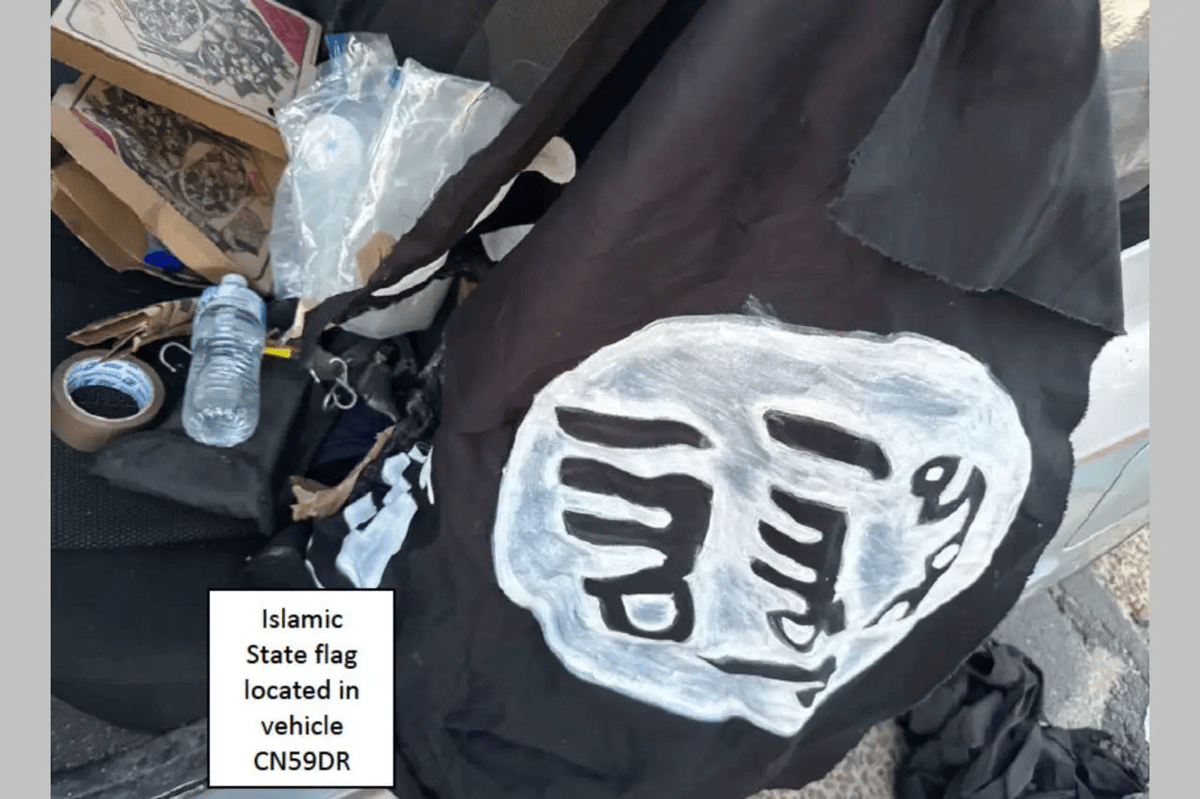
Islamic State flag located in vehicle CN59DR driven by the terrorists.
Islamic State flag located in vehicle CN59DR driven by the terrorists. (Photo: New South Wales Police)

Court documents released this week provide the clearest picture yet of how a father and son allegedly spent months preparing for what became Australia’s deadliest terror attack in decades, and just how narrowly an even greater catastrophe was avoided.

According to a police fact sheet made public by the New South Wales Local Court on Monday, investigators believe it was in October that Sajid Akram, 50, and his son Naveed Akram, 24, significantly escalated their plans. That month, the pair allegedly booked a short-term AirBnB in south-west Sydney for the first three weeks of December and began filming themselves conducting weapons training in rural New South Wales. In the videos, the two are seen firing shotguns and rehearsing tactical movement, behavior police say is consistent with preparation for a coordinated attack.

October was also when the men allegedly recorded one of the most revealing videos cited in the court material. Standing in front of an image of an Islamic State flag, with four long-arm firearms and ammunition displayed behind them, Naveed is said to have recited a passage from the Quran in Arabic before both men spoke in English about their motivations. According to the police summary, they condemned “the acts of Zionists” and appeared to articulate their justification for the attack they would later carry out at Bondi Beach.

While the documents leave open major questions about how and when the men were radicalized, they show that by early December the alleged preparations were extensive and deliberate. Police say the pair amassed at least six firearms, including two single-barrel shotguns and a Beretta rifle. Sajid held a valid New South Wales firearms licence. Investigators also allege they manufactured multiple explosive devices: three pipe bombs, a bomb concealed inside a tennis ball, and a larger improvised explosive device found later in their vehicle.

In addition, officers say the men produced two Islamic State flags using black fabric and white paint, printed components for a shotgun speed loader using a 3D printer, and stored other weapons at the family home in Bonnyrigg, including a homemade wooden firearm and a longbow with a dozen arrows.

Around December 7, the pair moved into the Campsie AirBnB. Naveed’s mother told police she believed her husband and son were on holiday in southern New South Wales. According to the fact sheet, Naveed called her daily from a payphone, describing what he planned to do each day, an apparent effort to conceal their true activities.

Two days before the attack, on December 12, CCTV captured the men driving to Bondi Beach and walking toward a footbridge near Archer Park. Police allege this visit was reconnaissance. On the morning of the attack itself, surveillance footage shows them carrying long, bulky items wrapped in blankets from the Campsie rental to their car shortly after 2 a.m. Investigators believe these packages contained firearms, explosives, and flags.

After returning to the rental, the men were next seen leaving just after 5 p.m. and driving toward Bondi. The vehicle stopped briefly in Woollahra, where police say the pair checked items in the back seat and boot. They then parked near the Bondi Beach footbridge, placed Islamic State flags across the front and rear windscreens, and retrieved three guns and three bombs from the car.

As crowds gathered nearby to celebrate Chanuka, the men allegedly threw the explosive devices toward the festival before opening fire. Bomb technicians later determined the devices were viable and potentially lethal, containing explosive powder and ball bearings. A technical failure prevented them from detonating, a malfunction authorities say likely saved many lives.

After six to seven minutes of gunfire, Sajid Akram was shot dead by police. Naveed was wounded and arrested. Fifteen people were killed and 40 injured. Subsequent searches recovered the phones used to record the videos, along with religious texts, including Qurans with marked and highlighted passages.

Prosecutors argue the evidence shows months of meticulous planning driven by extremist ideology. Naveed Akram now faces terrorism charges alongside 15 counts of murder and 40 counts of attempted murder.

Ready for more?

Join our newsletter to receive updates on new articles and exclusive content.

We respect your privacy and will never share your information.

Enjoyed this article?

Yes (12)
No (0)
Follow Us:

Loading comments...