Chanuka is often softened into a story about candles and miracles. Read honestly, it is far less comforting. It begins with Jews realizing that the authorities meant to preserve order would not protect them. The Seleucid regime was not collapsing. It was functioning exactly as designed, and Jewish life was the price. The Temple was desecrated, Jewish practice criminalized, and appeals to power led nowhere. The darkness was not accidental. It was enforced.
That framing matters now, because this Chanuka arrived amid a grim accumulation of warnings. Bondi Beach. Chaos in Amsterdam just days ago, with Jews told to stay indoors as violence spread through the streets. A shooting in California. Security alerts for Jewish sites in India. All of it within one Chanuka. Different countries, different circumstances, same message. When danger appears, Jews are often left exposed while authorities hesitate, calculate, or respond too late.
The Chanuka story does not treat this as shocking. It treats it as familiar.
Matityahu did not begin as a general or a symbol. He was a father and a kohen who understood that something had shifted. There comes a moment when waiting becomes complicity, when restraint stops being wisdom and starts being surrender. Matityahu recognized that moment and acted. He did not debate whether self-defense would look excessive. He understood that refusing to act would be fatal.
Every Jew is their own Matityahu.
That is not poetry. It is obligation. Chanuka teaches that Jewish survival has never depended on assurances alone. It has depended on Jews taking responsibility for their own safety when systems failed. The Maccabees were not protected by institutions. They protected themselves.
This Chanuka, the lesson is no longer abstract. Jews are being attacked, threatened, and targeted across continents in the same season. In each case, the advice is familiar. Stay calm. Trust the process. Wait for security forces. That advice has proven inadequate again and again.
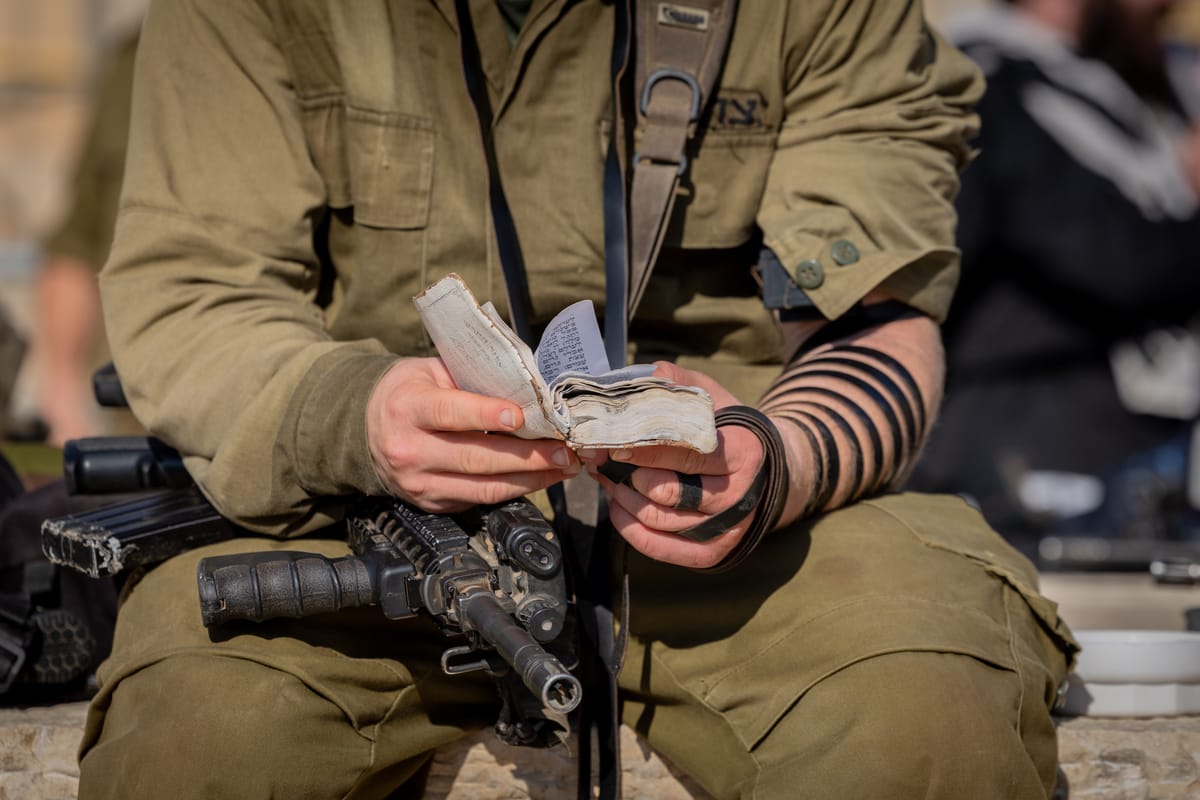
The call of Chanuka is not to panic. It is to be armed, ready, and safe.
Not willing to be armed. Armed. Not hypothetically prepared. Prepared. Jewish communities cannot afford to confuse vulnerability with virtue. Self-defense is not aggression. It is the minimum responsibility of a people that understands its own history. Being armed, where legal, trained, and responsible, is not a betrayal of Jewish values. It is an expression of them.
Lighting candles is not a substitute for readiness. It is a reminder of why readiness matters. The candles are placed in windows because Jewish life does not survive by hiding. But visibility without the ability to protect that life is not courage. It is negligence.
Matityahu did not wait for permission. He did not wait for consensus. He acted because the cost of waiting had become intolerable. Chanuka honors that decision not because violence is holy, but because survival is.
This year, the message is unavoidable. Jews cannot outsource their safety to institutions that repeatedly fail at moments of crisis. We honor Chanuka not only by lighting candles, but by taking seriously the responsibility those candles represent.
The miracle of Chanuka was not oil. It was Jews remembering that when protection disappears, responsibility does not.