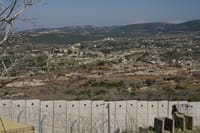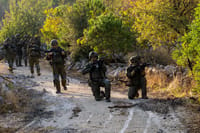
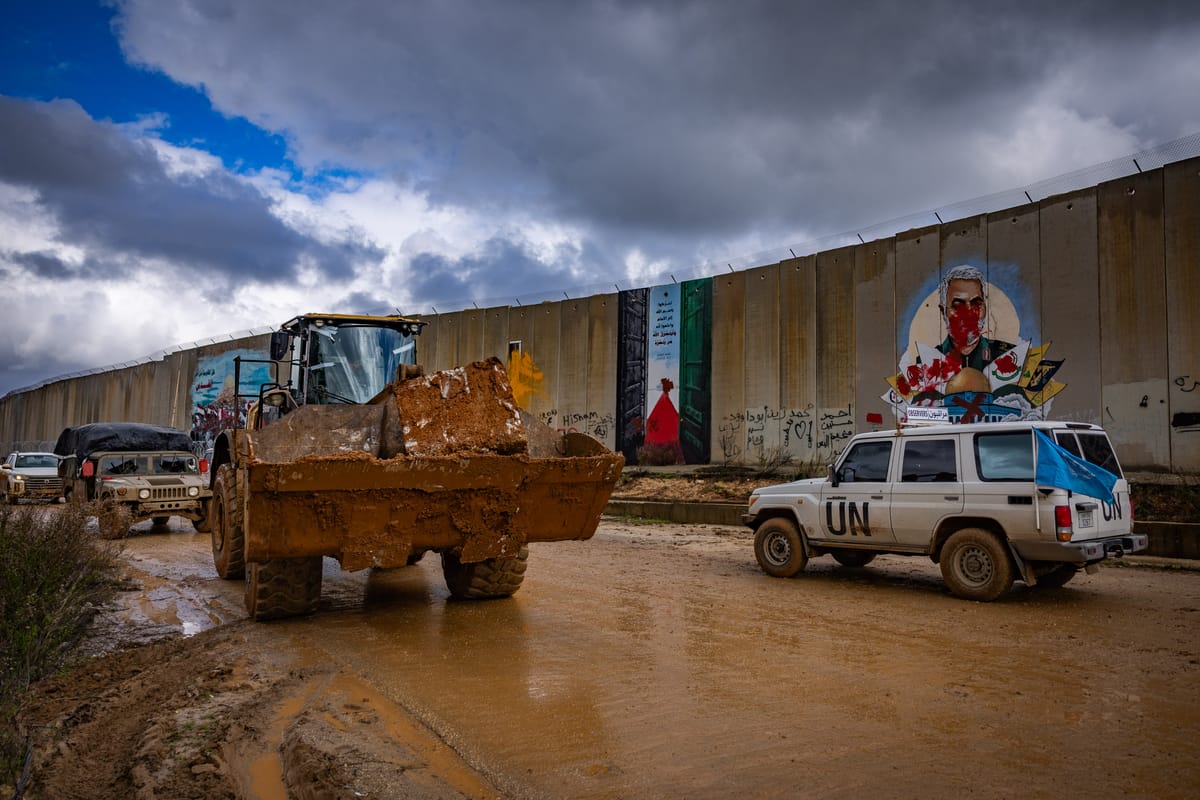
For years, Israeli strategy toward Hezbollah has relied on a familiar cycle. We reinforce the north, issue warnings, coordinate with foreign diplomats, and assure ourselves that time will work in our favor. The return of northern communities and the persistence of the ceasefire have allowed many to imagine that the threat is receding on its own. It is not. The quiet is real, but it is also temporary, because Hezbollah has changed neither its goals nor its allegiance. Iran’s proxy in Lebanon continues to rebuild capabilities, expand entrenchment, and position itself for future confrontation.
Lebanon is not going to resolve this. Its political paralysis, economic collapse, and fractured institutions make it incapable of restraining Hezbollah even if it wanted to. The Lebanese state has not held meaningful sovereignty over Hezbollah’s activities for decades. Expecting that to change now is unrealistic. As for the international community, the record is clear. UN Resolution 1701 has been violated so consistently that its text has become symbolic rather than practical. External actors are good at expressing concern, not at altering realities on the ground.
Israel has reached the point where patience has become a liability. A ceasefire that lets Hezbollah regroup is not stability. It is a pause that benefits only one side. The organization’s strategic doctrine treats quiet periods as opportunities to refine precision missiles, fortify command posts inside civilian areas, and deepen local control in southern Lebanon. None of this is theoretical. It has happened repeatedly, and it continues now.
Ronald Reagan captured the underlying truth in a sentence that remains relevant today: “We know only too well that war comes not when the forces of freedom are strong, but when they are weak. It is then that tyrants are tempted.” Hezbollah fits that description clearly. When Israel hesitates, Iran calculates that its proxy has room to push further. When Israel signals ambiguity, Hezbollah interprets it as reluctance. Strength is what deters. Ambiguity is what invites future conflict.
This does not mean Israel must launch a full ground operation without considering the costs. It does mean that the state needs a strategic shift. Hezbollah must understand that its continued militarization will not be tolerated and that the border will not be shaped by Tehran’s interests. Israel must pursue policies that degrade Hezbollah’s capabilities in lasting ways, not symbolic ones, and must make clear that the safety of Israeli citizens is not subject to the preferences of foreign governments or the limitations of fragile international agreements.
For northern families who have returned home, deterrence is not an abstract concept. It is the difference between a community that can plan a future and one that lives in fear of the next barrage. Israel cannot wait for others to act. Securing the north requires decisive choices made in Jerusalem, not Beirut or New York.