As the conflict between Israel and the Iranian axis enters its tenth day, a diplomatic attempt by the Lebanese government to curb Israeli strikes has reportedly reached a dead end. According to sources familiar with the matter, the Lebanese government reached out to Israel through international mediators, requesting that the IDF moderate its air campaign across the country.
In response to the appeal, Israel issued a clear counter-demand: the Lebanese government must take immediate responsibility for its territory and prevent Hezbollah from launching further rocket and drone attacks on Israeli population centers.
However, the Lebanese government reportedly responded by admitting it does not have the capability to restrain the Iranian-backed militia. This admission of a lack of sovereignty confirms the fears of Israeli security officials that the Lebanese state is either unwilling or physically unable to enforce the terms of previous ceasefires or the newly announced domestic ban on Hezbollah’s military activity.
Against the backdrop of this diplomatic failure, the UN Special Coordinator for Lebanon, Jeanine Hennis-Plasschaert, arrived in Israel today for urgent high-level consultations. The envoy is attempting to prevent a total regional collapse, but the atmosphere in Jerusalem is increasingly focused on military solutions.
An Israeli official summarized the current assessment by stating: "A broad move in Lebanon is now inevitable."
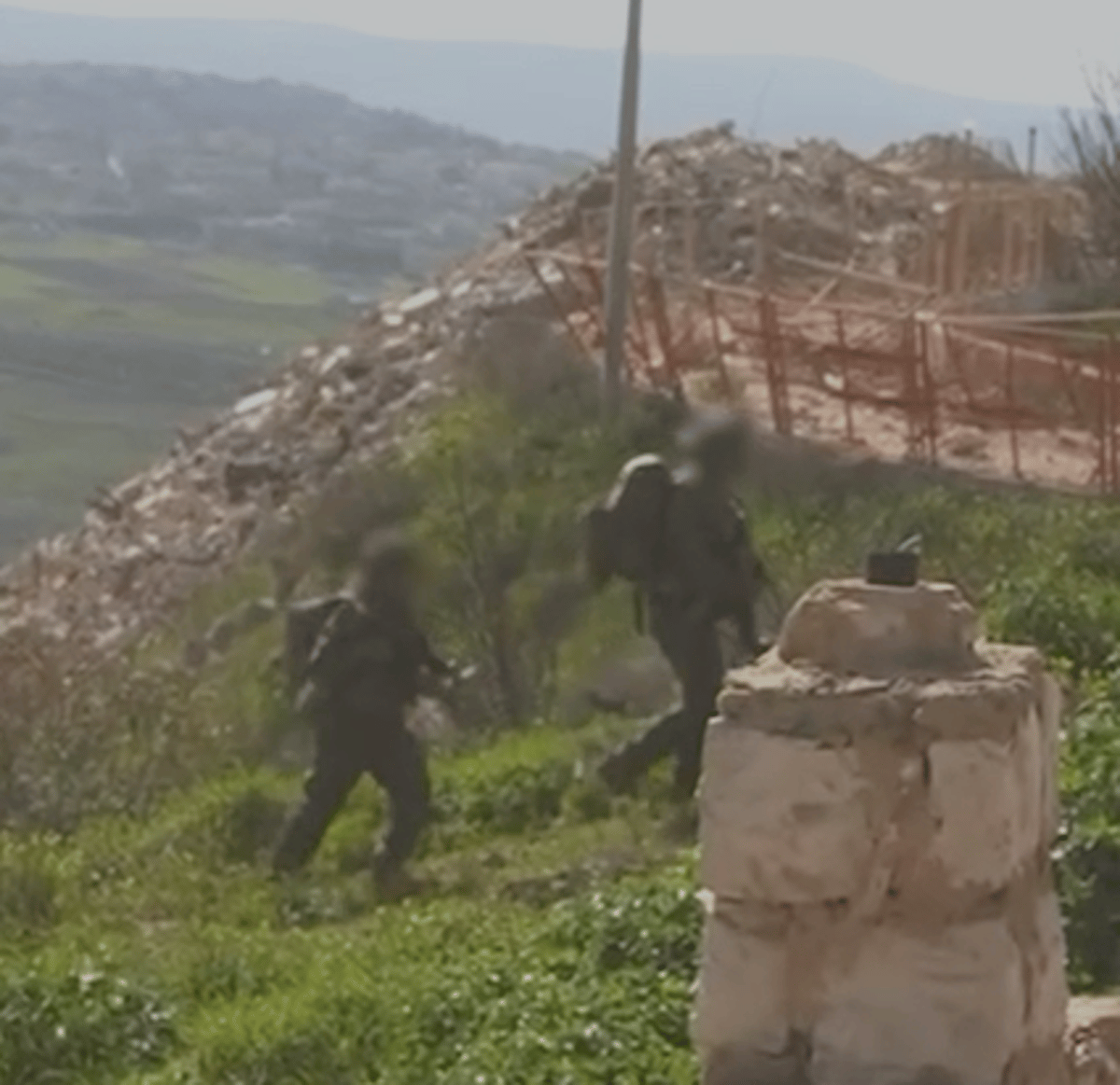
The official's comment suggests that the IDF is preparing to transition from "retaliatory waves" of airstrikes to a more expansive operational phase, likely involving a deeper ground maneuver, to forcibly remove the threat that the Lebanese government has conceded it cannot manage.