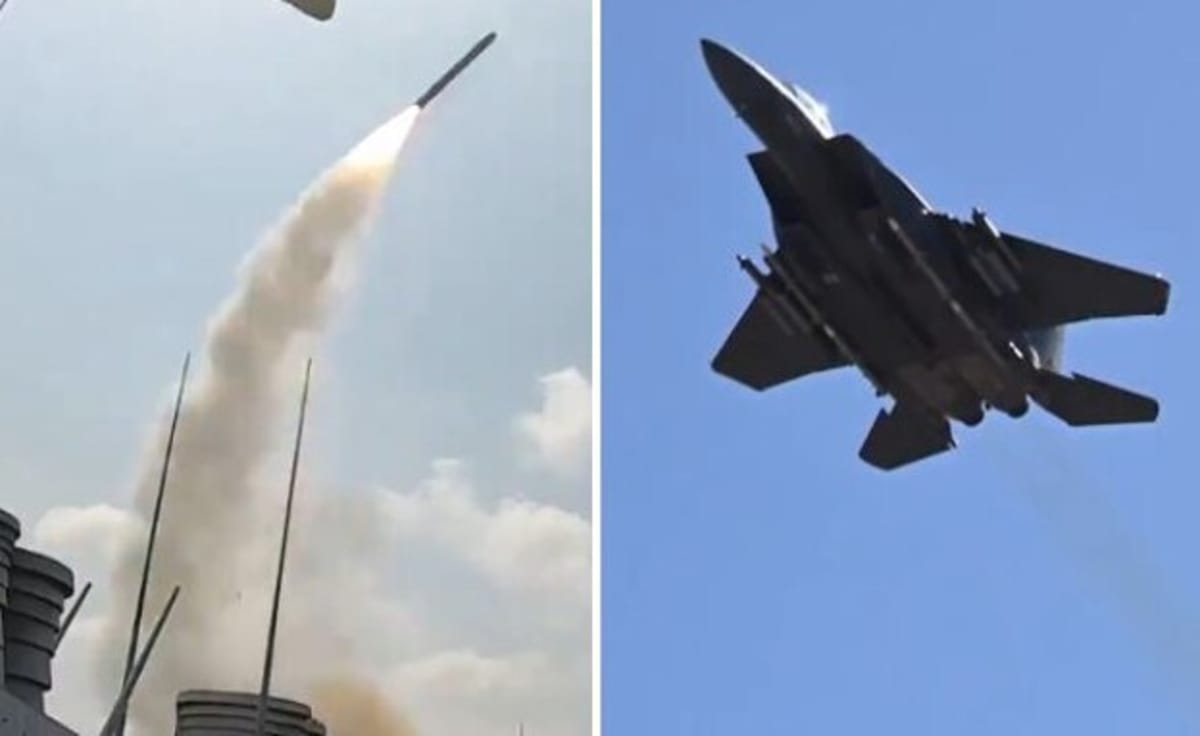
Operation Lion's Roar has reached a historic milestone as Israeli and American fighter jets are now operating in near-total synchronization across almost every corner of Iranian airspace. This level of partnership is being described as unprecedented, surpassing even the most integrated operations seen in the history of the NATO alliance. The two militaries have divided the Iranian map into clear geographical and mission-based sectors, ensuring that every target is addressed with the maximum relative advantage of each force. With a detailed plan extending five days into the future and a broader strategic framework mapped out for the next three weeks, the coalition is maintaining a relentless tempo of attacks that has left the Iranian air defenses in a state of total paralysis.
From Diplomacy to Combat Management
At the heart of this cooperation is the IDF's "Tevel" Brigade. Traditionally a unit focused on military diplomacy and hosting foreign dignitaries, Tevel has transformed into the primary engine for managing active war operations with the United States. In the command centers of the Intelligence Directorate and the Air Force, American and Israeli officers sit side-by-side, sharing the most "intimate" professional spaces and data. They work together to select targets, analyze real time results, and manage the massive logistics of munitions stockpiles. This level of trust allows the Chiefs of Staff of both armies to maintain a direct and constant line of communication, coordinating the war in real time without the lengthy bureaucratic preparations that were required in the past.
The Strategic Division of Labor
The synchronization between the two air forces is designed to avoid any potential "blue on blue" incidents or redundant strikes. By pre-allocating specific spaces and times for operations, the coalition can ensure that the "operational eyes" are always focused on the enemy. This coordination also extends to the management of weaponry, with both sides coordinating their ammo reserves to prevent the exhaustion of specific missile types during the prolonged campaign. Israeli officials have expressed "awe" at the professionalism of this integration, noting that it has allowed the IDF to take on tasks that were previously thought to be solely within the capacity of a global superpower.
A New Regional Order
The success of this partnership is already attracting interest from other nations in the region and around the world. There are reports that several countries are currently considering joining the joint campaign, at least in a defensive capacity, to secure their place in the "new Middle East" that will emerge after the war. The US military has found in Israel a partner capable of sharing the heavy burden of a full scale war, a development that has caused other global powers to look at the relationship with a sense of envy. As the joint operation enters its next phase, the goal remains clear: to maintain the historic partnership until the threat from the Iranian regime is permanently neutralized and the regional balance of power is fundamentally reset.