As tensions between Israel, the United States, and Iran reach a boiling point in 2026, thousands of Jews remain trapped in a "pressure cooker" in Tehran and other cities across the Islamic Republic, according to Kobi Shira, an Iranian-born Jewish immigrant who maintains close ties with the community there.
In a riveting interview on the program "Dvar Rishon" with hosts Moshe Manes and Yossi Sargovski, Kbi Shira, a photographer who fled Iran as a teenager, painted a grim picture of fear and uncertainty gripping the Jewish population.
"The situation there is complete panic," Shira said. "The Jews simply aren't leaving their homes. I spoke two days ago with a friend in WhatsApp groups I manage with Jews in Iran. They make calls through third countries like Switzerland or the U.S. to avoid detection. Their message is clear: 'Pray for us.'"
Shira described the dual bind facing Iranian Jews: "They're caught between a rock and a hard place. If they make the smallest mistake, the regime will accuse them of being 'Zionists' and collaborators. On the other hand, if they don't go along with the local population, their neighbors will say on judgment day: 'You weren't with us.' It's a state of utter uncertainty at the harshest level."
Reflecting on his own harrowing escape at age 16, Shira recounted trekking on foot through dangerous Taliban-controlled areas in Pakistan and Afghanistan. "My father recited Kaddish for me when I left," he said emotionally. "In those borders, you never know if you'll return or even reach your destination. Today, escaping is exponentially harder. The regime tracks every movement. Since the pager incidents in Lebanon, they're checking every glass of water for poison.
If a Jew tries to sell their house to leave, the regime immediately flags them, 'Where are you going? What are you leaving behind?' Anyone selling property is done for."
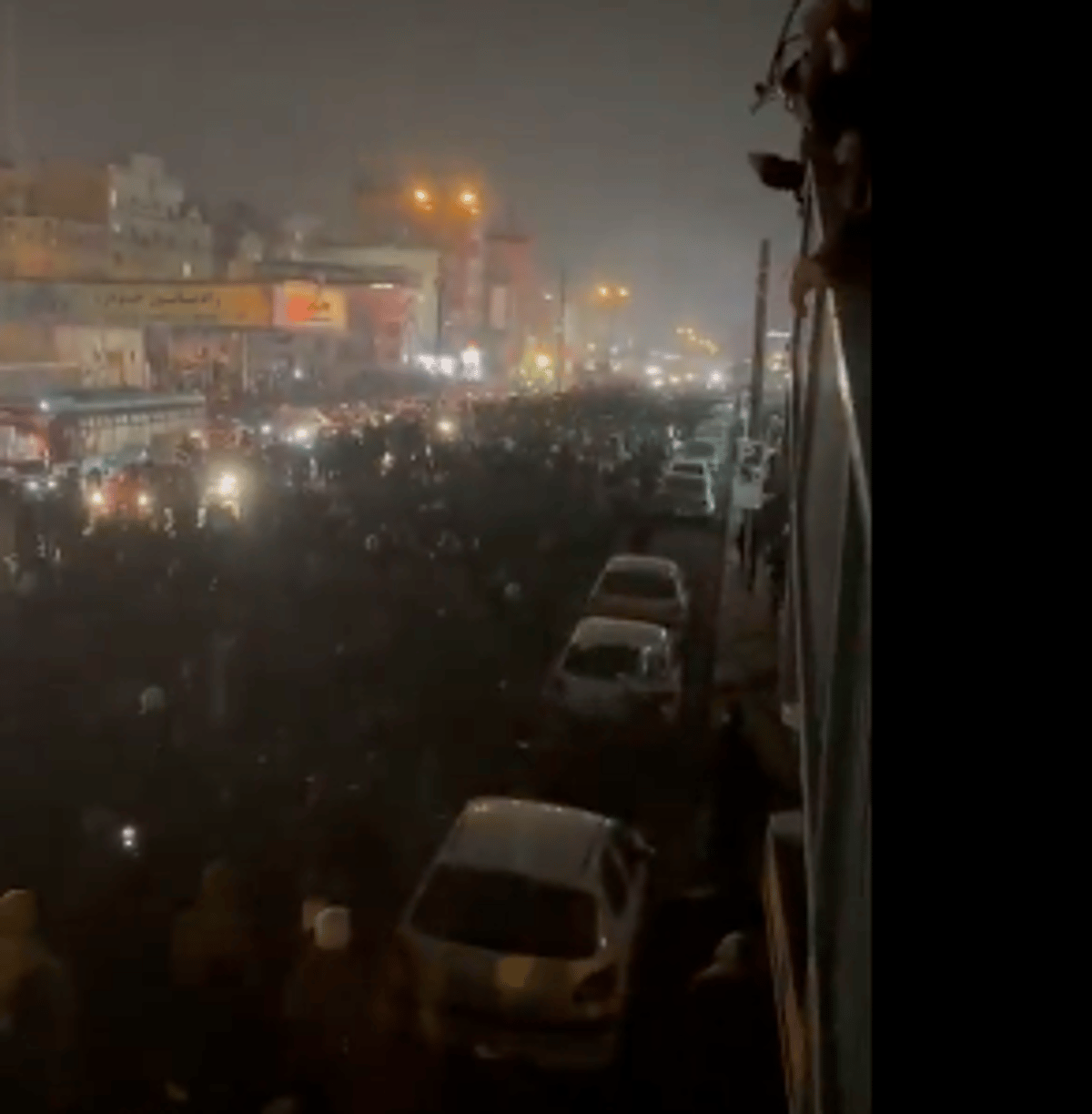
Shira, intimately familiar with Iranian society, argued that the current protests mark a point of no return for the ayatollahs' regime. Unlike previous rounds led by youth, this wave is different. "Until now, parents silenced their children out of fear of the regime," he explained. "But this time, the parents are rising up. The 'bazaar people,' the merchants who hold up Iran's economy, those who always stayed quiet to avoid fines, they're leading now. When the breadwinners rise, the youth follow. This is damage the regime can't repair."
Despite reports of U.S. preparations for potential strikes, including the arrival of the aircraft carrier USS Theodore Roosevelt, Shira predicted the conflict won't unfold as many expect. "Iran today is in a state of wanting to 'commit suicide'; they're going all in," he said. "America doesn't want missiles flying all over the world, so I don't think there will be massive airstrikes."
Instead, Shira foresaw internal disruption: "I believe it will come from within. There are plenty of 'silent soldiers' inside Iran. Suddenly, a thousand drones will rise there and take out the regime's heads one by one. That's how you dismantle a regime like this, not with bombs from the sky."
Shira ended on a hopeful note: "When things open up and the regime falls, I invite you to join me on a tour of Iran. The hotels there are still cheap, I checked."