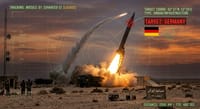
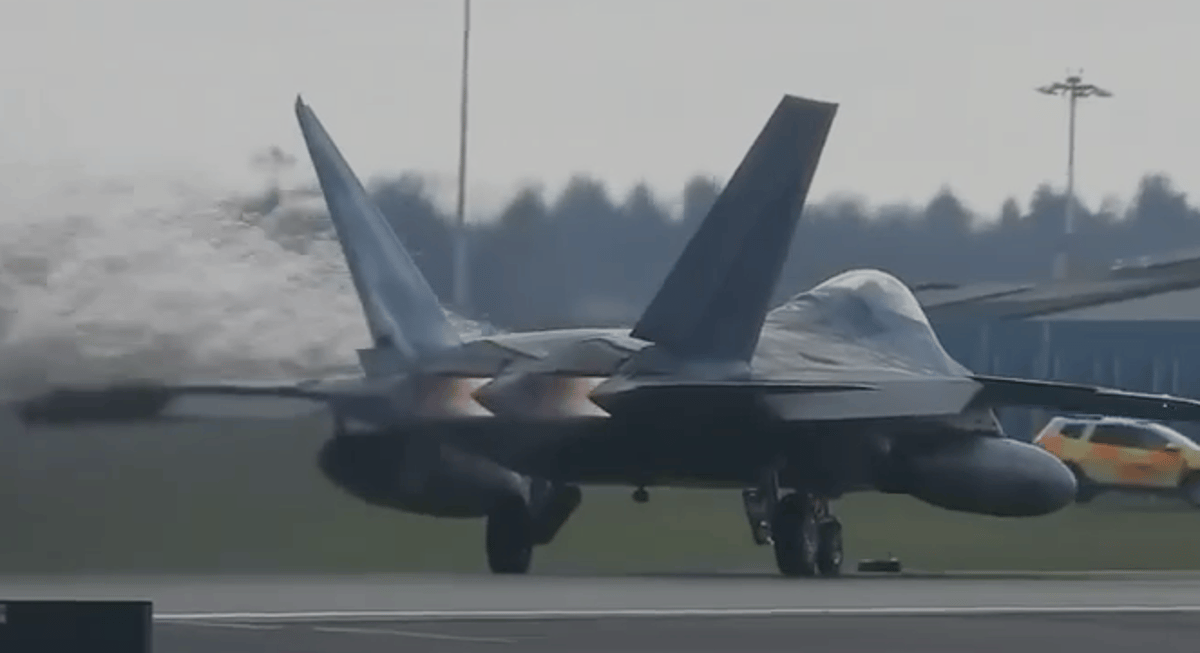


The Persian Gulf has descended into a state of total warfare. As the joint U.S.-Israeli operation against Iran enters its third day, Tehran has activated a brutal "attrition strategy" against its neighbors, launching a massive wave of strikes across Bahrain and Kuwait, while the White House signals that the end of the current Iranian regime may be closer than previously anticipated.
The Siege of Bahrain and the "Severing" of the Gulf
Iranian forces have launched of suicide drones toward Manama. The capital of Bahrain has been rocked by continuous explosions, but the most strategic blow came with the targeted strike on the King Fahd Causeway. The bridge, which serves as the only land link between Bahrain and Saudi Arabia, has been severely damaged, effectively isolating the island nation from its primary ally.
Simultaneously, Iran’s Tasnim News Agency reported a series of missile strikes targeting U.S. military installations in Kuwait.
The latest wave of Iranian aggression follows a direct attack on Saudi Arabia, where two American drones crashed into the U.S. Embassy in Riyadh just hours ago.
Responding to the embassy attack, President Donald Trump addressed the nation tonight, promising a response.
The "Kurdish Factor": Netanyahu’s Long Game
Internal sources confirm that President Trump held high-stakes telephone consultations on Sunday with the two most powerful Kurdish leaders in Iraq: Masoud Barzani (PDK) and Bafel Talabani (PUK).
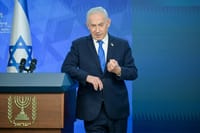
These talks are reportedly the culmination of months of intense lobbying by Israeli Prime Minister Benjamin Netanyahu. For years, Netanyahu has advocated for a regime-change strategy that utilizes Kurdish forces, who command thousands of battle-hardened fighters along the strategic Iran-Iraq border, as a "hammer" against the IRGC.
While some U.S. officials caution that Netanyahu may be "overestimating" the Kurds' ability to stabilize a post-war Iran, one source noted, "It’s not a negligible force. If the border opens, the entire dynamic of the ground war shifts."