Within Months
New Country to Join Abraham Accords Soon
•middleeast


Comprehensive coverage of Kuwait's political developments, economic initiatives, diplomatic relations, and role in Gulf Cooperation Council affairs
Kuwait, officially the State of Kuwait, is a constitutional emirate located at the tip of the Persian Gulf in Western Asia. Bordered by Iraq to the north and Saudi Arabia to the south, Kuwait covers approximately 17,820 square kilometers and has a population of over 4.5 million people. The country is governed by the Al-Sabah royal family, with a unique political system that combines hereditary rule with one of the most active parliamentary systems in the Gulf region. Kuwait City serves as the nation's capital and largest urban center, functioning as the political, economic, and cultural heart of the country.
Kuwait possesses the world's sixth-largest oil reserves, making petroleum the cornerstone of its economy and accounting for nearly half of its GDP and over 90 percent of government revenue. The country is a founding member of the Gulf Cooperation Council and OPEC, playing a significant role in regional energy markets and global oil production decisions. Kuwait's sovereign wealth fund, the Kuwait Investment Authority, manages assets exceeding $700 billion, making it one of the world's largest institutional investors and a key component of the nation's economic diversification strategy.
The country's political landscape is characterized by an elected National Assembly that exercises considerable legislative power, including the ability to question ministers and vote on confidence motions. This parliamentary system has historically created a dynamic political environment with frequent tensions between the government and elected representatives. Kuwait's constitution, adopted in 1962, guarantees freedom of speech and press to a greater extent than many neighboring countries, contributing to a relatively vibrant civil society and media landscape in the region.
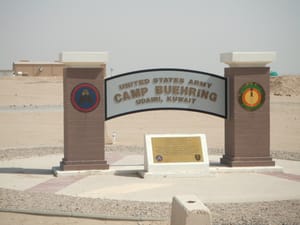
Kuwait's foreign policy emphasizes maintaining balanced relations with major powers while prioritizing Gulf security and Arab solidarity. The country hosts significant American military presence, including Camp Arifjan, which serves as a key logistics hub for U.S. operations in the Middle East. Kuwait's diplomatic approach often positions it as a mediator in regional disputes, leveraging its relationships across the Gulf to promote dialogue and stability. The nation maintains active membership in international organizations including the United Nations, Arab League, and Islamic Cooperation Organization.
The Kuwaiti economy faces ongoing challenges related to oil price volatility and the need for economic diversification beyond hydrocarbons. The government has launched various initiatives aimed at developing non-oil sectors, including finance, real estate, and logistics, as part of its Vision 2035 development plan. Youth unemployment, demographic pressures from a large expatriate workforce, and the need for private sector growth remain key economic concerns that shape policy debates and reform efforts.
Kuwait's social fabric reflects a blend of traditional Bedouin heritage and modern cosmopolitan influences, with a population that includes both Kuwaiti citizens and a substantial expatriate community from across Asia, the Arab world, and beyond. The country invests heavily in education and healthcare, providing extensive social services to its citizens. Cultural institutions, including the Kuwait National Museum and various art galleries, preserve the nation's heritage while promoting contemporary artistic expression.
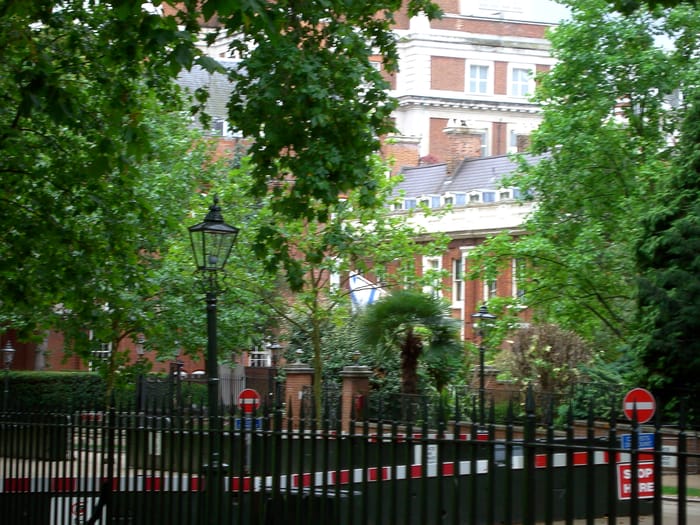
Abdullah al-Badari received a minimum 20-year term for attempting to enter the London facility armed with a knife, according to unverified reports
Within Months
Middle East Tensions
Gulf Airspace Intrusion Stopped
Gulf states retaliate
boiling point
Rare Diplomatic Shift:
Iran Eyes Camp Buehring
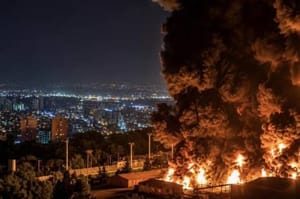
war
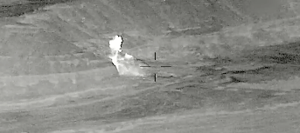
Ceasefire on the Brink
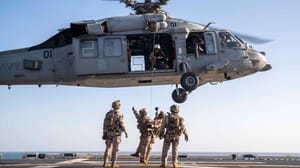
The Kuwait Strike Backlash
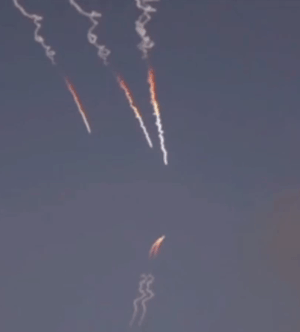
Iran Attacks
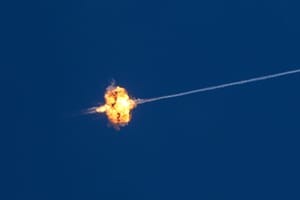
Gulf Exchanges Intensify
Planes go boom
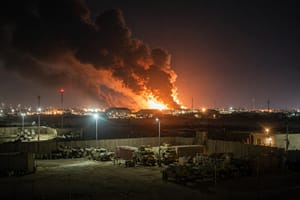
War
Oil prices surge
Gulf Crisis
Over $5 Billion in Damage
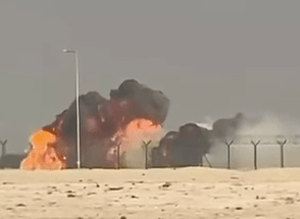
Explosions in the UAE
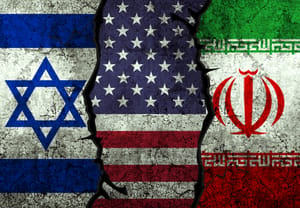
Hanging by a thread