US intelligence assessments before the war with Iran warned that Tehran could retaliate against American allies in the Gulf, despite President Donald Trump’s claims that such attacks came as a surprise, according to US officials and sources familiar with the briefings.
Speaking Monday, Trump said Iran’s missile and drone strikes against countries including Qatar, Saudi Arabia, the United Arab Emirates, Bahrain, and Kuwait had not been expected.
“They weren’t supposed to go after all these other countries in the Middle East,” Trump said during a meeting at the White House. “Nobody expected that. We were shocked.”
However, multiple sources familiar with US intelligence reports said the possibility of Iranian retaliation against Gulf states had been discussed before the United States joined Israel in launching air strikes against Iran on February 28.
One source said the scenario was not presented as inevitable but was clearly identified as a potential outcome.
“It wasn’t a guarantee, but it certainly was on the list of potential outcomes,” the source said.
According to another official, Trump was also warned that military strikes on Iran could trigger a broader regional conflict, particularly if Tehran believed Gulf governments were supporting or enabling US military operations.
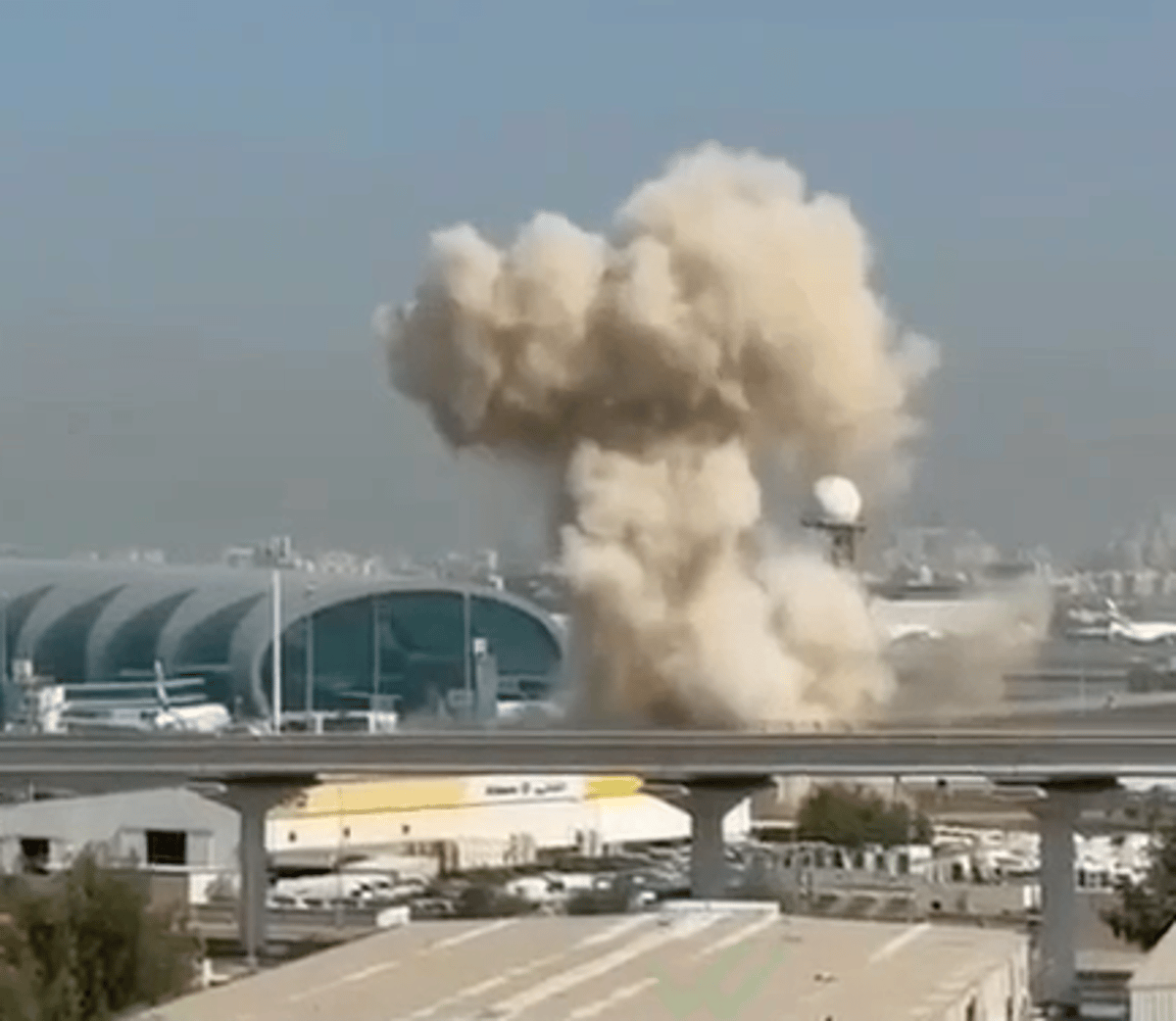
Iran has since launched waves of drones and missiles targeting sites across the region. The strikes have hit US military bases and facilities used by allied forces, as well as civilian infrastructure including airports, hotels, and energy installations.
Intelligence briefings before the war also warned that Iran might attempt to disrupt global energy supplies by closing the Strait of Hormuz, a narrow waterway through which roughly one fifth of the world’s oil supply normally passes.
In the weeks since the war began, Iranian forces have attacked ships in the strait and severely disrupted commercial shipping through the channel, sending global energy prices sharply higher.
Some lawmakers have questioned the administration’s justification for entering the war. Democratic members of Congress who attended classified briefings last week said they had not been presented with evidence of an imminent threat that required immediate military action.
The White House and the Office of the Director of National Intelligence declined to comment on the intelligence assessments.
Despite the warnings, Trump maintained Monday that experts had not predicted Iran would expand its retaliation to include Gulf countries.
“The greatest experts, nobody thought they were going to hit,” he said.