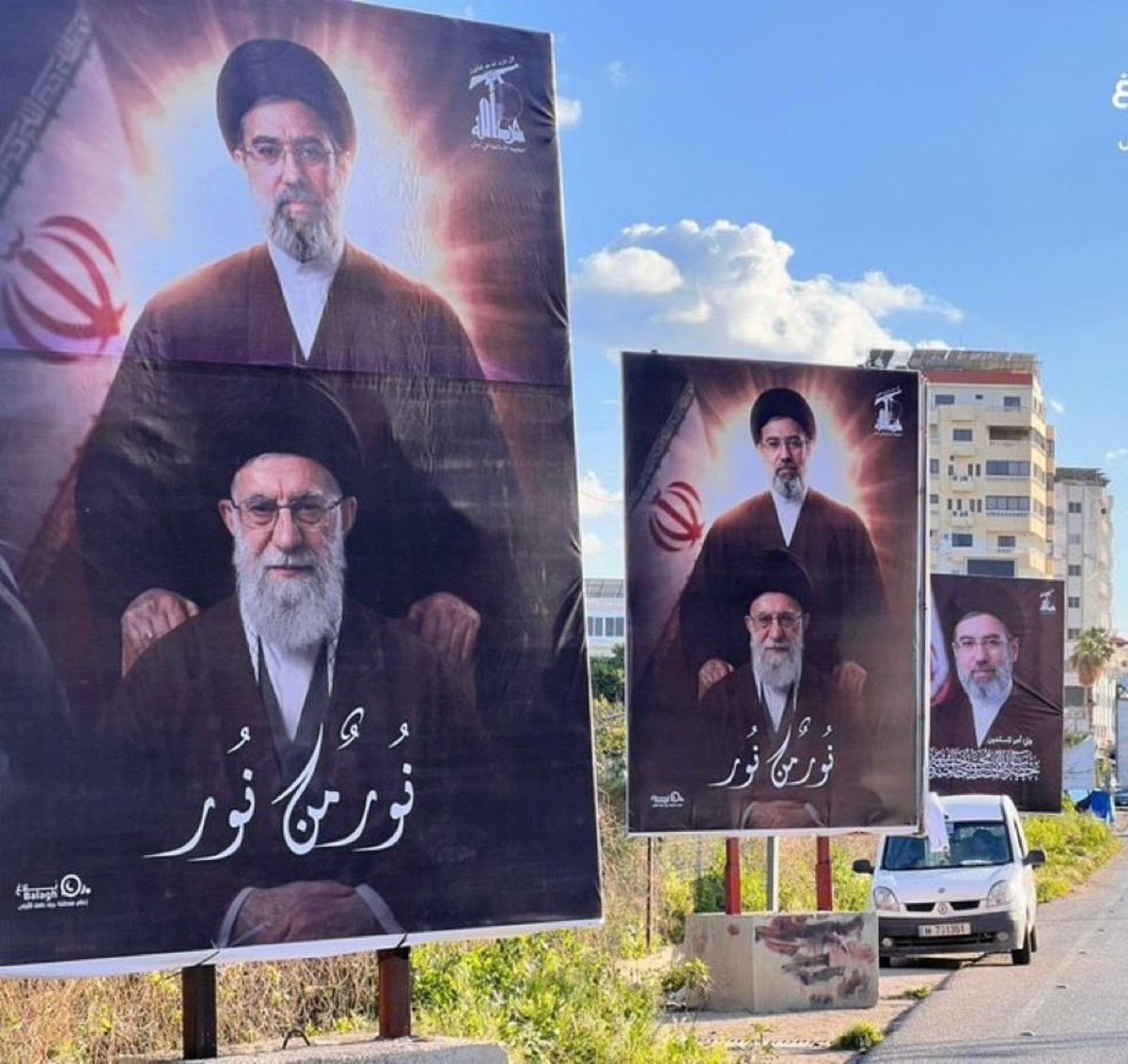
Iran has entered a new and uncertain era. Following the death of Ayatollah Ali Khamenei in late February, the Assembly of Experts officially announced on Sunday, March 8, that his second son, Mojtaba Khamenei, has been appointed as the third Supreme Leader of the Islamic Republic.
At 56, Mojtaba assumes total authority over the state, the military, and Iran’s nuclear program at the height of an existential conflict. While he has operated in the shadows for decades, regional experts warn that his ascension signals a shift toward a more aggressive, defiant consolidation of power.
The Shadow Prince Steps Out
Unlike his father, who held various public offices before becoming leader, Mojtaba Khamenei has never held an elected position. Instead, he built a formidable power base behind the scenes:
* The Gatekeeper: For over two decades, he served as his father’s de facto Chief of Staff, controlling access to the Supreme Leader and managing the regime’s most sensitive files.
* The IRGC Connection: Analysts note his deep, lifelong ties to the Islamic Revolutionary Guard Corps (IRGC). The elite force was the first to pledge absolute loyalty to him on Monday, confirming that the new regime will likely prioritize military and security-first policies.
Why Analysts See a Greater Threat
Middle East analysts suggest that Mojtaba may be more dangerous than his predecessor for three key reasons:
1. Hardline Ideology: Having lost several family members, including his father and mother, in the February 28 strikes, Mojtaba is expected to be driven by a doctrine of revenge and resilience. Reports indicate he is unlikely to entertain the diplomatic flexibility his father occasionally employed.
2. The Nuclear Path: With the regime under sustained military pressure, experts suggest Mojtaba may accelerate Iran's move toward nuclear weaponization as a final deterrent against further U.S. and Israeli strikes.
3. Domestic Brutality: Mojtaba has a documented history of involvement in suppressing internal dissent, dating back to the 2005 and 2009 protests. Experts describe him as a leader who does not believe in the people, but rather in absolute clerical decree enforced by the IRGC.
In addiiton, reports iidctae that he was sverely injured in the attack which killed Khamenei, and at least one of his legs was amputates as a s result of his injuries.
The Global Reaction
The transition has already triggered a sharp response from Washington. President Donald Trump has publicly labeled Mojtaba’s appointment as unacceptable, stating that the U.S. desires a leader who brings harmony and peace rather than dynastic succession.
Despite White House Press Secretary Karoline Leavitt dismissing reports of internal U.S. policy rifts as anonymous nonsense, the administration remains on high alert. Israel has similarly warned that it will continue to target any leadership directing the ongoing war against its citizens.