
Israel is waiting for a decision from Washington after submitting formal requests to expand its freedom of military action in Lebanon, including the possibility of renewed airstrikes in the Beirut area.
According to the Hebrew report, Israeli officials argue that limiting IDF operations to southern Lebanon is no longer enough while Hezbollah continues to operate command centers, infrastructure, and senior operatives beyond the border zone. The issue was reportedly discussed in Prime Minister Benjamin Netanyahu’s recent talks with U.S. Secretary of State Marco Rubio and with Israel’s senior defense leadership.
The request comes at a sensitive moment. The United States is trying to advance a diplomatic and security channel between Israel and Lebanon, even as fighting continues despite a U.S.-brokered ceasefire. Reuters reported that Washington has proposed a plan in which Hezbollah would stop attacks on Israel, while Israel would avoid escalating military action in Beirut.
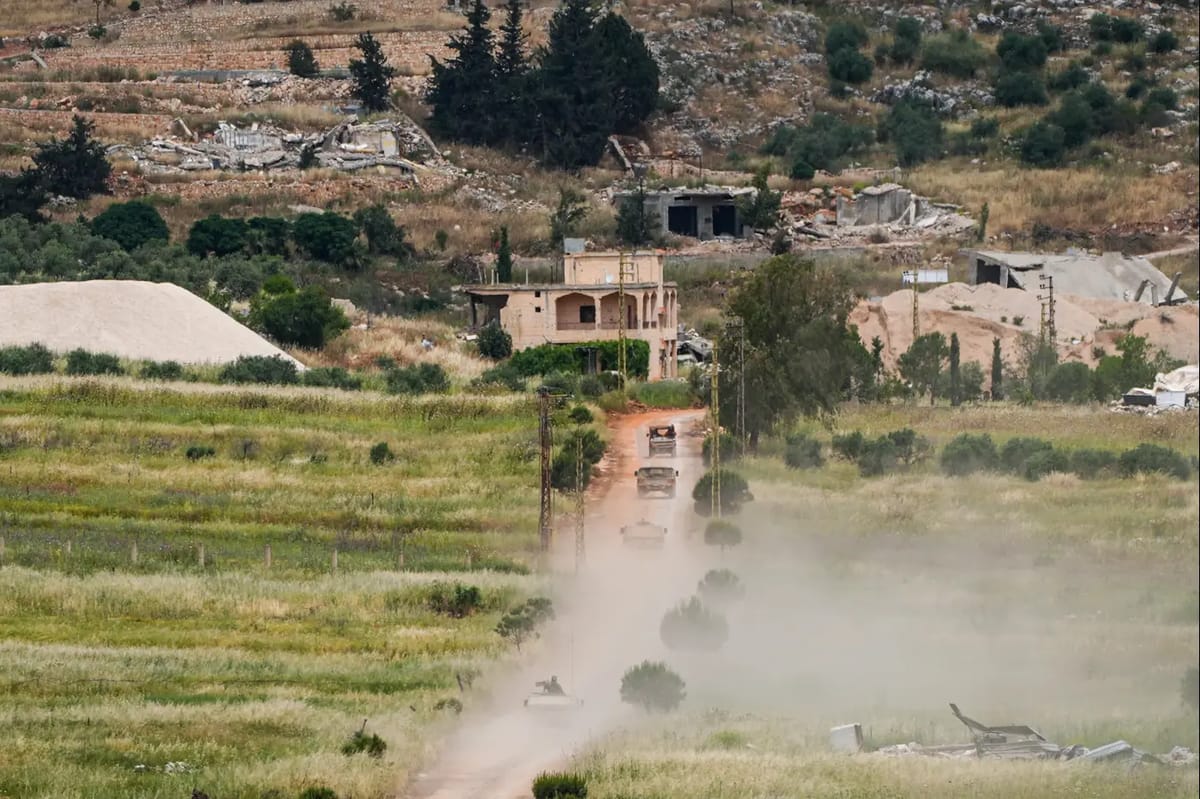
But Israel’s position is that diplomacy without military pressure will not force Hezbollah to disarm or retreat. Israeli forces have already deepened their ground campaign in Lebanon, including the capture of Beaufort Castle. Reuters described the move as part of Netanyahu’s order to expand operations against Hezbollah.
The U.S. has so far supported Israel’s right to respond to Hezbollah attacks, but Washington has been more cautious about strikes in Beirut. The Times of Israel reported earlier in May that while the U.S. had approved Israeli strikes in Lebanon against targets deemed threatening, it had drawn a line on attacks in Beirut.
That line may now be tested.
For Israel, Beirut is not just another target. It is the political and operational heart of Hezbollah’s power structure. Israeli officials believe that if Hezbollah can continue operating from Beirut while attacking the north, the ceasefire becomes meaningless and the diplomatic process becomes a shield for the terror group.
For Washington, the dilemma is different. The Trump administration wants to weaken Hezbollah and strengthen the Lebanese state, but it also wants to prevent the war from expanding into a full-scale campaign inside Lebanon’s capital.
The decision is now in American hands. If Washington gives Israel the green light, the war in Lebanon could enter a far more serious phase. If it refuses, Jerusalem may argue that Hezbollah is being given a protected rear base while northern Israel remains under fire.