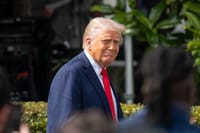
The complex diplomatic matrix between the United States and Iran has encountered a fresh round of structural delays, with official state media in Tehran confirming that local negotiators are drafting a comprehensive set of counter-revisions to the pending memorandum of understanding. The strategic update arrives immediately after American regional planners introduced their own stiff modifications to the document, an executive intervention that has effectively frozen the timeline for a final signatures ceremony. Local media channels emphasized that the ongoing negotiation process is fundamentally bilateral, stating that the reality of Donald Trump proposing specific text adjustments does not mean that Iran has agreed to them or validated the individual clauses.
The latest friction emerged following reports that President Trump chose to significantly harden the American negotiating stance after a prolonged period of silence from the office of Supreme Leader Mojtaba Khamenei, who delayed delivering an official response to the preliminary draft framework. An updated copy of the working text was formally transferred to the Iranian delegation over the weekend, putting the diplomatic ball back in Tehran's court. Observers note that the entire international community is once again waiting on a definitive ruling from the supreme leader to determine if the framework remains viable.
Strategic insiders close to the process indicate that the forthcoming Iranian adjustments are explicitly designed to shield the essential national interests of the country from excessive foreign encroachment. Political representatives in Tehran have made it clear that the ultimate distance to a sustainable, signed treaty depends entirely on the willingness of Washington to display flexibility regarding the new requirements about to be presented. The public stance reflects an internal determination to reject any unilateral terms that would mandate the immediate dismantle of domestic enrichment networks without verified, reciprocal concessions.
The legislative and journalistic establishments in Iran have spent recent hours reinforcing the narrative that the state will not buckle under sudden executive ultimatums from the White House. The official position holds that every single line of the memorandum must undergo intense internal scrutiny before receiving any formal validation from state authorities, regardless of any pressure tactics deployed by Western powers. This cautious approach has pushed back initial administrative timelines, turning what was viewed as a rapidly approaching breakthrough into an extended, clause-by-clause diplomatic standoff.
As both capitals analyze the updated text documents, regional experts predict that the negotiation will require weeks of additional refinement before any high-level consensus can be realistically reached. The determination of the Iranian government to assert its own terms highlights the significant gaps that remain regarding asset distribution, oversight mechanisms, and the operational boundaries of domestic infrastructure programs. Until the supreme leader authorizes a unified response to the joint working group, the entire diplomatic framework will remain in a state of administrative suspension.