Get our mobile app
Download on the App StoreGet it on Google Play

Economic Pressure

Iran's Main Port Nearly Idle Amid Sanctions

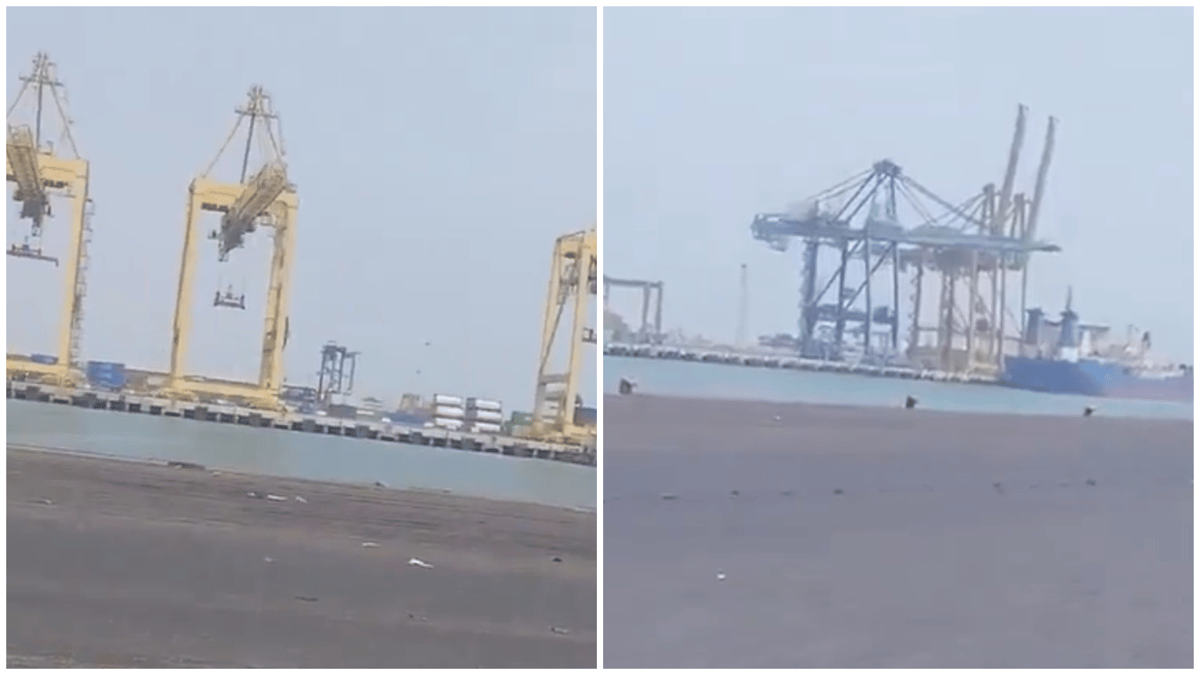
Recent images from Shahid Rajaee Port reveal idle cranes, empty container yards and minimal shipping activity, reflecting the impact of international pressure on Iran's critical trade gateway

Iran's Main Commercial Port

Recent imagery from Iran's Shahid Rajaee Port in the country's south reveals an unusual scene at one of the nation's most vital commercial hubs. The facility appears largely inactive, with massive cranes standing idle, container storage areas sitting empty, and notably few ships or trucks visible throughout the port complex.

Located near Bandar Abbas and the Strait of Hormuz, Shahid Rajaee serves as Iran's primary maritime gateway. According to previously published data, the port handles a substantial portion of the country's container traffic and functions as a critical channel for importing raw materials, machinery, consumer goods and other merchandise, while also serving Iranian exports.
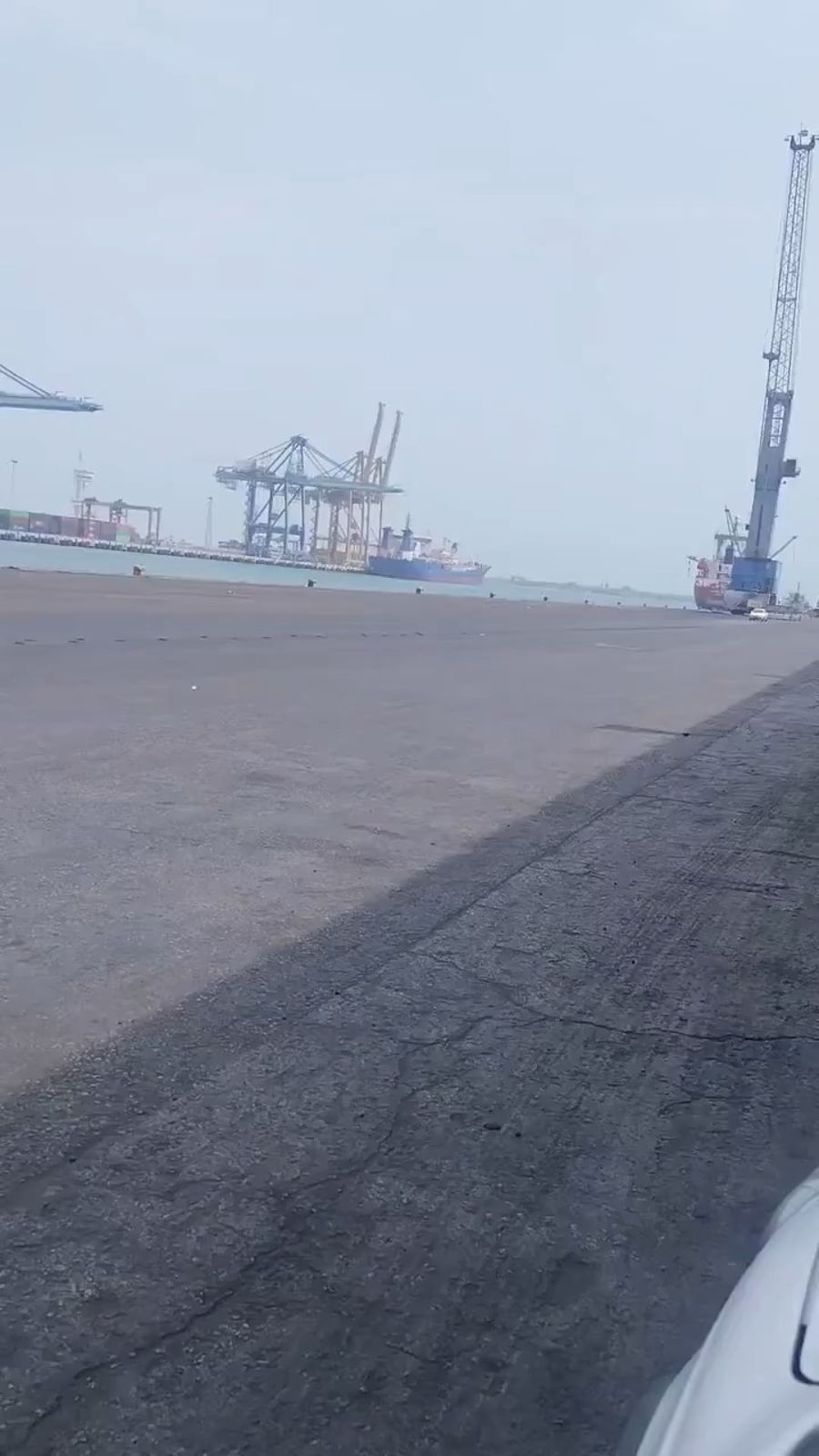
The latest images suggest a dramatic shift in operations. Instead of continuous commercial activity, the port shows relatively deserted piers, non-functioning cranes and sparse movement of vehicles and vessels.

These scenes emerge against the backdrop of a severe crisis in regional shipping traffic. The Strait of Hormuz has also recorded a significant decline in maritime movement, with only approximately 10 commercial vessel transits per day recorded in late August, compared to an average of around 15, while earlier periods saw even sharper drops.

The implications for Iran could be far-reaching. When the country's main import and export facility slows significantly, the impact extends beyond fewer docked ships. Disruptions can quickly reach supply chains, importers, industry and consumers within the country.

Meanwhile, regional states are already preparing for a reality in which disruptions at the Strait of Hormuz persist. Gulf countries are advancing alternative export routes, port expansions and infrastructure projects designed to reduce dependence on the strategic waterway.

Ready for more?

Join our newsletter to receive updates on new articles and exclusive content.

We respect your privacy and will never share your information.

Enjoyed this article?

Yes (46)
No (2)
Follow Us:

Unmissable content


Loading comments...

Also of Interest