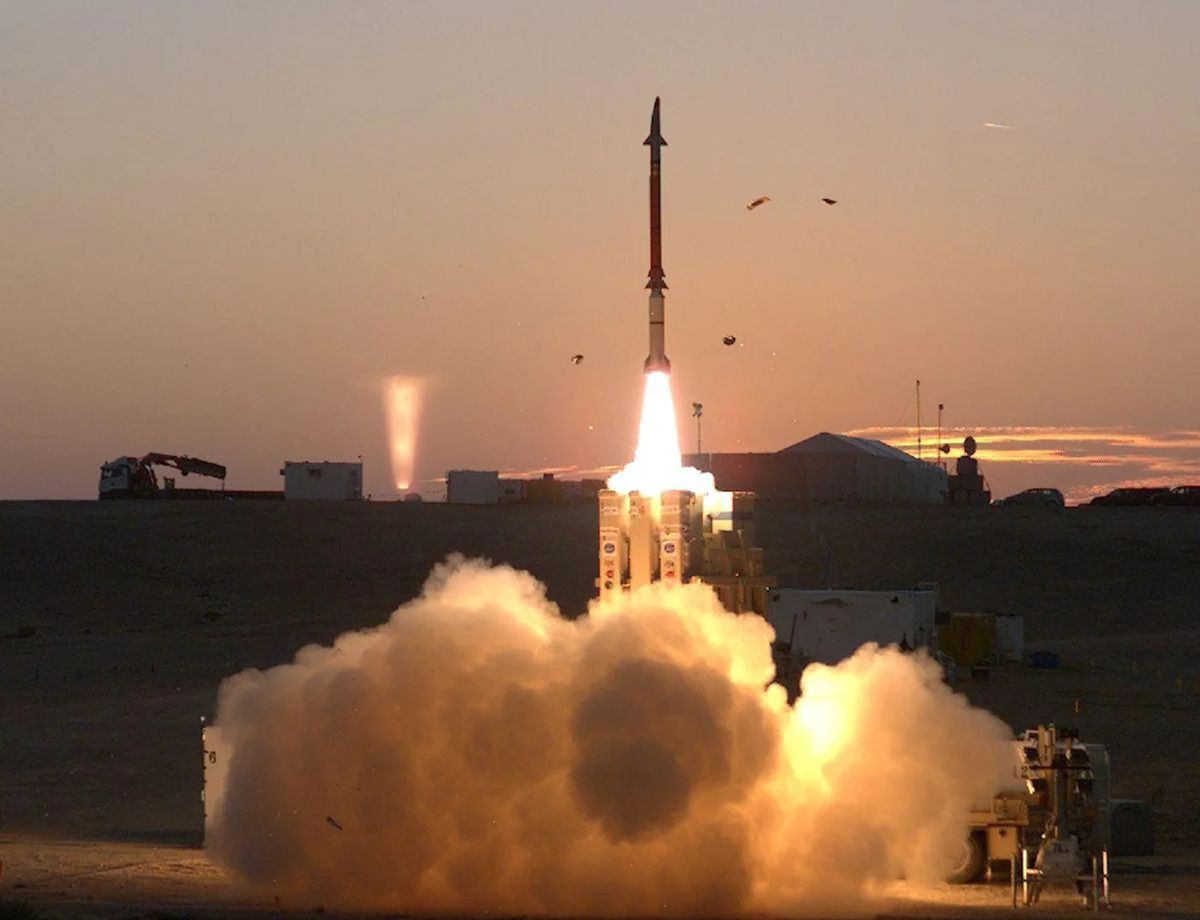
Iran's military command issued a direct threat Saturday to launch missiles at Israel tonight, as Tehran declared the Strait of Hormuz closed to all shipping and accused the United States of failing to enforce a ceasefire over Lebanon, in a dramatic escalation that threatens to unravel the U.S.-Iran memorandum of understanding signed just days ago.
Iran's military declared Saturday that the Strait of Hormuz is closed, citing Israeli attacks on Hezbollah in Lebanon as justification, according to Iranian state media. U.S. Central Command pushed back shortly afterward, saying commercial ship traffic in the strait had actually increased Saturday "as U.S. forces continued operating in the general area to support freedom of navigation."
The Srugim document obtained by JFeed adds a direct military threat to the closure announcement: a Hezbollah-affiliated network citing Iranian sources warned that "if the aggression against Lebanon continues, Iranian missiles may be launched at Israel tonight."
The Iranian Joint Chiefs of Staff said in a formal statement that the Strait of Hormuz, one of the world's most strategically critical waterways, would be completely closed to vessel traffic. The announcement came just hours after U.S. Vice President JD Vance sought to calm global markets by declaring there were no signs Iran was moving to block the strait.
Tehran blamed Washington for failing to enforce Article One of the memorandum of understanding, which Iran says obligates the United States to halt what it called "the ongoing ceasefire violations by the Zionist regime in southern Lebanon." The statement explicitly cited continued Israeli Air Force strikes in Lebanon and the IDF's refusal to withdraw from the south of the country as grounds for the escalation.
Iran also warned that the Hormuz closure was only a first step. "If the aggression continues, additional measures will be planned and taken to compel the enemy to honor its commitments," the statement read.
The threats land on a night of mounting tension. Six IDF soldiers were killed in southern Lebanon over the weekend, and Israeli forces continued striking Hezbollah targets even after a ceasefire was announced Friday at 4 p.m. Israeli officials have maintained that the arrangement does not require a withdrawal from the south and that forces retain full operational freedom.
The MOU, signed June 17 by the presidents of the United States and Iran, was intended to bring the conflict to a formal end within 60 days. Iran's move Saturday places that framework under severe strain before it has had a chance to take hold.
Shipping levels through the strait remain very low since the conflict began. The UAE's state-owned oil company has estimated that full flows through Hormuz will not resume until 2027, even if a deal is reached quickly.
Israel has not yet responded publicly to the threats.