Reports of advanced diplomatic negotiations between Washington and Tehran have ignited an unprecedented wave of anger, deep frustration, and absolute distrust among the Iranian public.
Scores of messages sent by citizens inside the country to the Iran International news network reveal bitter sentiment on the Iranian street. Rather than viewing the renewed diplomacy as a path toward stability or welfare, citizens see it as a cynical political deal being orchestrated behind their backs and at their expense.
Trump Confirms Advanced Talks
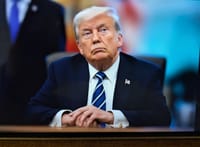
The backlash follows an official statement by U.S. President Donald Trump, who confirmed that a comprehensive agreement involving the United States, Iran, and other nations has been "mostly negotiated" and is currently in its final stages. The announcement has heightened public anxiety and resentment across the nation.
According to Iran International, the sharp reactions reflect a profound fracture in the expectations that regime opponents held for the current U.S. administration. Many opponents state they have completely lost hope that external assistance or pressure will bring an end to the rule of the Ayatollahs.
Calls for Internal Regime Change
Numerous citizens wrote that President Trump's decisions should no longer concern the Iranian people, asserting that the mission to topple the Islamic Republic from within rests solely on the shoulders of the citizens themselves.
Prominent among the messages were direct calls against any compromise, a rumored 60-day temporary ceasefire, or a political settlement with Tehran. Citizens emphasized that life under the current regime has become unlivable and expressed a desire for alternative leadership, with several messages mentioning support for the exiled crown prince, Prince Reza Pahlavi.
Economic Collapse and Political Oppression
The surging public frustration comes against the backdrop of an intolerable daily reality inside Iran, characterized by unprecedented economic pressure, widespread unemployment, skyrocketing inflation, and violent political suppression. Citizens warned that any agreement providing legitimacy or economic relief to the regime would be considered the ultimate betrayal of the Iranian people.
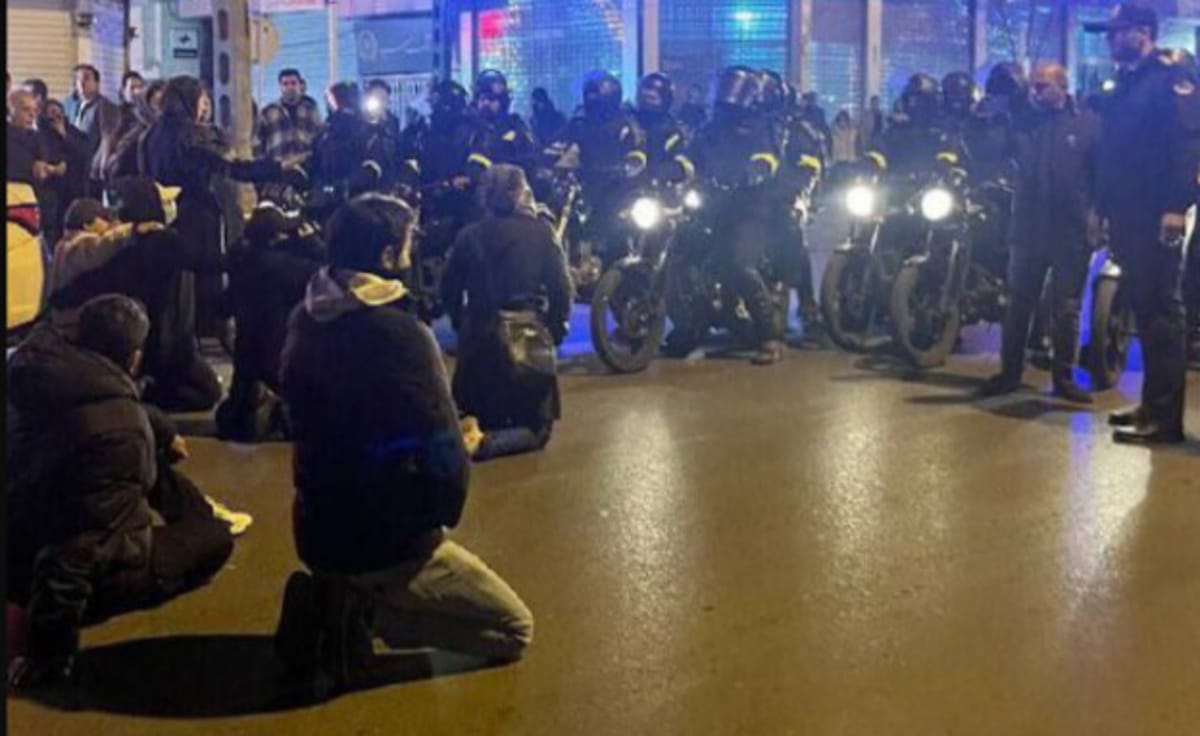
Beyond material hardship, the reports depict an exhausted population facing overlapping crises. This includes daily anxiety over execution waves carried out by the regime, abject poverty, the violent dispersal of protests, and the constant fear of regional escalation. The general sentiment among citizens is that they have become pawns to international political interests.
Regional Geopolitical Implications
The brewing negotiations between Washington and Tehran are generating significant tension not only within Iran but across the Middle East, as a potential agreement could directly impact the funding and stability of Iran's regional proxies.
The Iranian public fears that foreign powers, led by the United States, will prioritize regional security and short-term diplomatic interests over the Iranian people's fundamental demands for freedom, human rights, and democracy. The central concern is that a new pact will inject billions of dollars into the regime's coffers, allowing the Ayatollahs to tighten their dictatorial grip, fund internal security apparatuses, and strip citizens of their ability to organize future protests.