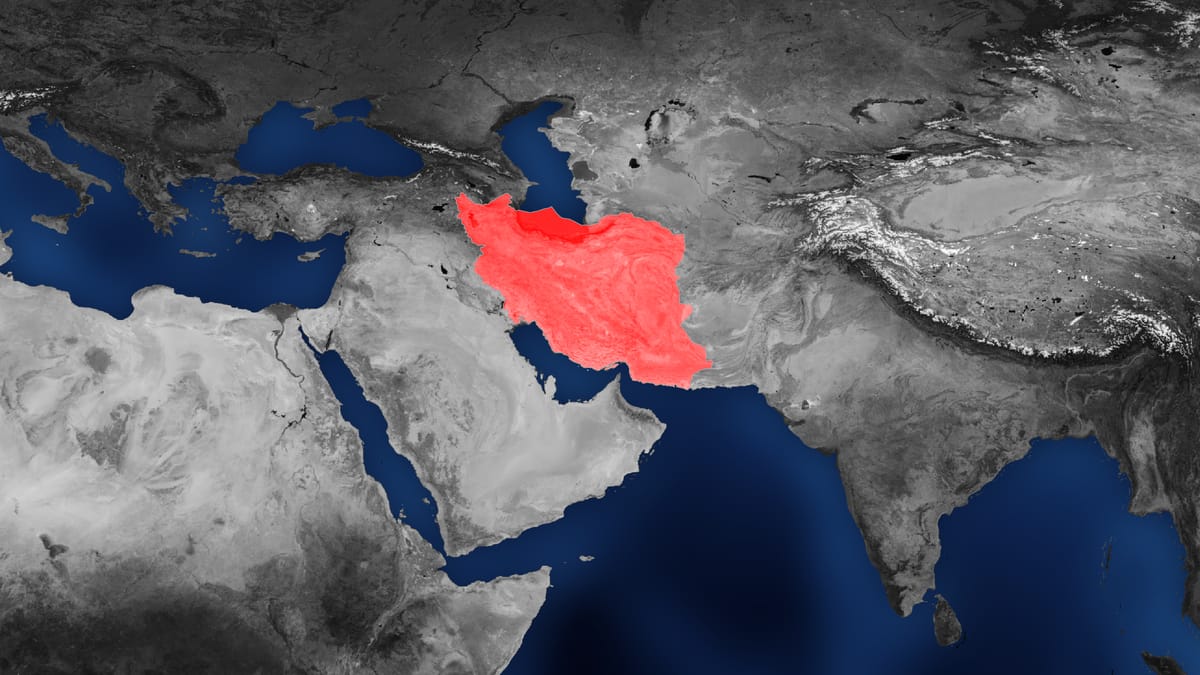
Iranian officials issued some of their sharpest military warnings in weeks on Sunday, declaring that a period of strategic restraint had ended and threatening direct strikes against American ships and bases, as a powerful explosion rocked the strategic port city of Chabahar in southeastern Iran.
The warnings and the blast arrived on the same morning that diplomats in Islamabad continued attempting to broker a lasting end to the conflict between the United States, Israel, and Iran, a war that has been running since late February and has brought roughly 20 percent of global seaborne oil trade to a near standstill.
"The Clock Is Moving"
Ebrahim Rezaei, spokesperson for the Iranian Parliament's National Security Commission, announced Sunday that Tehran's posture toward U.S. naval operations had fundamentally changed. Any interference with Iranian vessels, he said, would trigger a "heavy and decisive Iranian response against American ships and bases."
"From today, our phase of restraint has ended," Rezaei stated. "The clock is moving and not in favor of the Americans."
He added that Washington should "get used to the new regional order" and advised U.S. forces to offer concessions rather than deepening what he called a "quagmire."
The Iranian military's spokesperson separately warned that nations cooperating with U.S. sanctions would face "extreme difficulty" transiting the Strait of Hormuz. Should Iran be struck again, the spokesperson said, the enemy would be "surprised by new weapons, new combat methods, and new theaters of war," according to the semi-official Tasnim News Agency.
The statements follow U.S. Central Command strikes this week against oil tankers that allegedly attempted to breach the American naval blockade of Iranian ports, which has been in effect since April 13.
Chabahar Explosion: Cause Unknown
Adding to the tension, Iran's state-run Mehr News Agency confirmed on Sunday morning that a large explosion had been heard in Chabahar, a strategically vital port city on the Gulf of Oman in southeastern Iran. No casualty count or damage assessment has been released, and Iranian security forces have not yet given a definitive explanation for the blast.
Early reports, cited by the Ynet news service, suggested the incident may be linked to unexploded ordnance or ammunition remnants rather than a fresh attack. Chabahar has been in the crosshairs of the conflict since its start: Israeli airstrikes in early March targeted military installations surrounding the port, though the India-operated Shahid Beheshti freight terminal was reported undamaged at the time.
The port sits roughly 300 kilometres east of the Strait of Hormuz and has served as one of Iran's few remaining commercial outlets during the blockade.
A Conflict at a Crossroads
Sunday's threats and explosion reflect the extreme fragility of the current moment. A conditional ceasefire brokered by Pakistan has been in place since early April, but it has been tested almost continuously by exchanges of fire in and around the strait.
The Trump administration launched "Project Freedom" on May 4, a U.S. Navy mission deploying 15,000 service members, guided-missile destroyers, and more than 100 aircraft to escort stranded merchant ships through the blockaded waterway. Iran declared the operation a ceasefire violation and its military chief, Ali Abdollahi, warned that "any foreign armed force — especially the aggressive U.S. military — will be attacked if they intend to approach and enter the Strait of Hormuz," according to Al Jazeera.
Trump paused Project Freedom on May 6, citing "great progress" toward a comprehensive agreement and citing Pakistan's request. But the U.S. blockade of Iranian ports remained in effect, and Iran reimposed its own Strait restrictions in response, accusing Washington of "repeated breaches of trust," CNN reported.
The Washington Post reported Saturday that the Trump administration was still awaiting Tehran's reply to its latest terms for ending the war, while Iran described the ongoing U.S. naval activity as a "crude pressure tactic."
The Stakes
The Strait of Hormuz carries roughly 20 percent of global seaborne oil trade and 20 percent of the world's liquefied natural gas. It has been effectively closed since late February, according to the House of Commons Library, with shipping at around 5 percent of its pre-war monthly levels. Oil prices have risen sharply throughout the conflict, with Brent crude above $110 a barrel in early May, according to NBC News.
The World Food Programme has warned that if the strait does not reopen soon, the number of people it cannot afford to feed will rise from 1.5 million to nine million within three months, due to the cascading effect of oil prices on food costs across Central and Eastern Africa.
Pakistan's Prime Minister Shehbaz Sharif, who has been mediating between Washington and Tehran, expressed optimism last week that a deal remained within reach. But with Iran declaring its restraint phase over and another explosion at a sensitive Iranian port, the gap between optimism and reality remains wide.