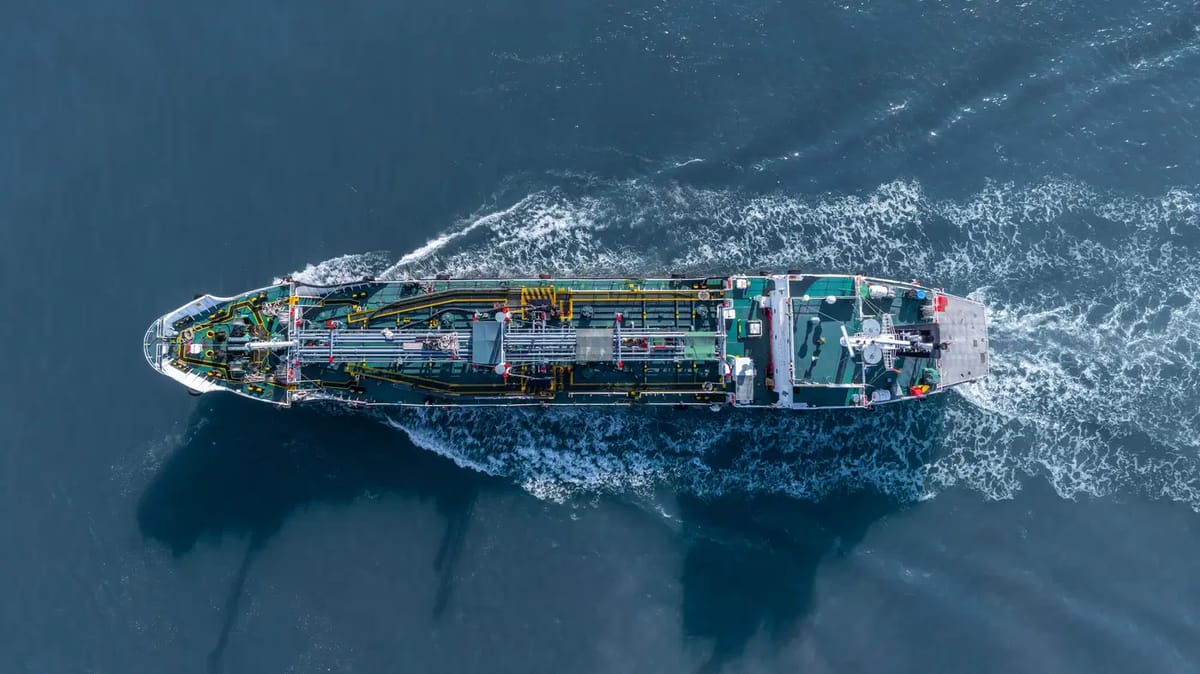
A bulk carrier reported being struck by an unknown projectile while sailing off the coast of Doha on Sunday, according to the United Kingdom Maritime Trade Operations, shortly after a Qatari tanker moved to break through Iran’s blockade of the Strait of Hormuz.
UKMTO said the strike caused a small fire on the vessel, which was later extinguished. The ship’s master reported no casualties and no environmental damage.
The incident came amid growing tensions over Iran’s effort to control traffic through the Strait of Hormuz, one of the world’s most important energy routes. Shortly after the reported strike, Iranian Army spokesman Mohammad Akraminia told Tasnim that vessels from countries complying with US sanctions against Iran would face difficulties crossing the strait.
Iranian lawmakers are also drafting legislation that would formalize Tehran’s management of the waterway. The proposed bill reportedly includes clauses barring passage to vessels from “hostile states.”
On Saturday night, ship-tracking data showed that the Qatari tanker Al Kharaitiyat was moving through the strait despite the Iranian blockade. The vessel had loaded fuel at Qatar’s Ras Laffan plant earlier this month and was believed to be traveling between Oman and Iran, with Pakistan listed as its destination.
If completed, the shipment would be Qatar’s first successful export through the Strait of Hormuz since the start of the Iran war. Qatar, one of the world’s largest suppliers of liquefied natural gas, has made several previous attempts to move tankers through the strait, but those ships were forced to turn back.
The reported strike near Doha may deepen concern among Gulf states that Iran is expanding pressure beyond the strait itself. It also comes as Tehran seeks to present its control over shipping lanes as a formal policy rather than only a wartime measure.
The blockade has sharply disrupted global energy markets. The Strait of Hormuz normally handles a major share of global oil and gas traffic, and the International Energy Agency has described the current disruption as the largest supply shock in the history of the global oil market.
Oil prices have risen worldwide as hundreds of vessels remain delayed or unable to move through the Gulf. The US has maintained its own blockade on Iranian ports, while diplomatic efforts continue over a possible agreement to end the war and reopen the strait under new security arrangements.