Reports of possible US engagement with a senior Iranian official have sparked concern among segments of Iran’s opposition, who fear any deal could leave the current regime structure largely intact.
US President Donald Trump said this week that Washington is holding talks with a “senior Iranian official,” with some media outlets identifying the figure as parliamentary speaker Mohammad Bagher Ghalibaf. While no direct confirmation has been provided, the reports have fueled speculation about potential backchannel negotiations.
Iranian authorities have denied that any such talks are taking place and warned against what they described as attempts to create division within the country’s leadership. Officials have also cautioned that further military escalation, including any attempt to seize Iranian territory, would have serious regional consequences.
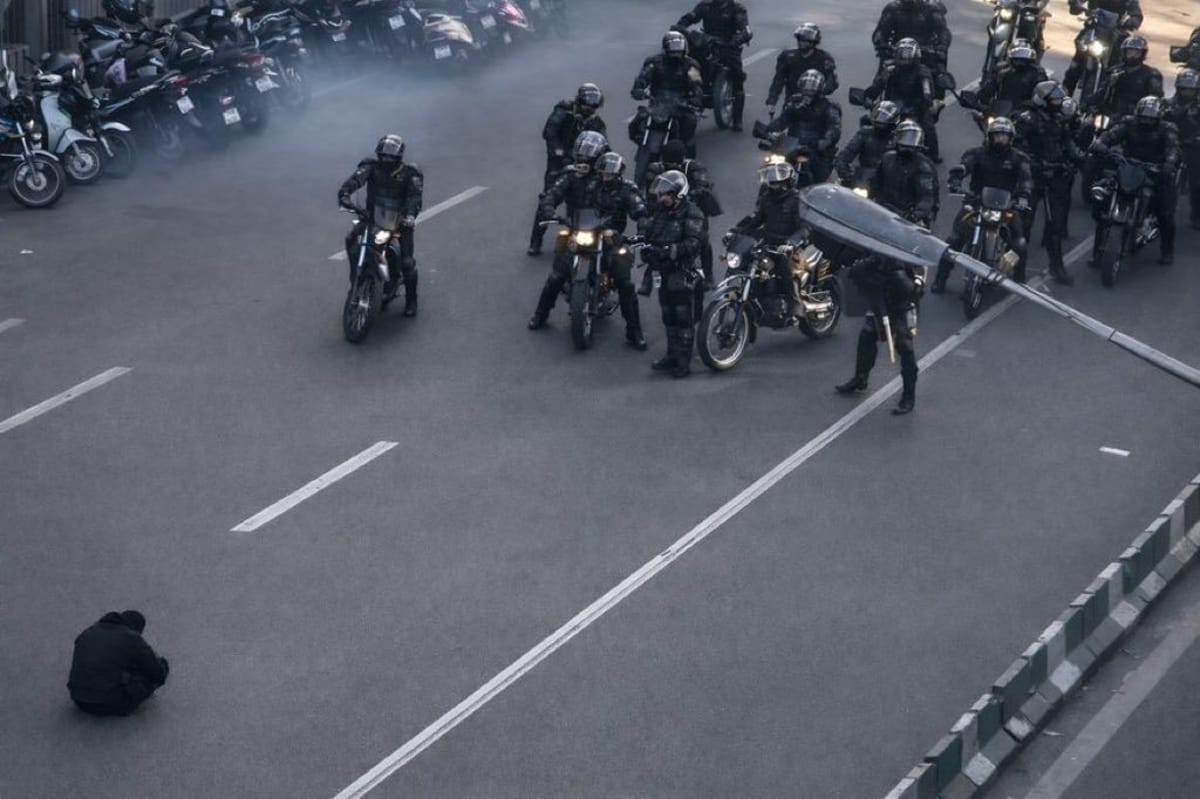
The possibility that figures such as Ghalibaf could play a role in future arrangements has unsettled some Iranians who oppose the current system. Critics argue that replacing one senior figure with another from within the same power structure would not constitute meaningful change.
A resident of Isfahan told The Media Line that if reports of a deal involving Ghalibaf were accurate, many Iranians would feel “deceived and abandoned,” describing it as a shift “from one dictatorship to another.”
Analysts say Washington may be seeking a way to end the conflict without becoming drawn into a prolonged war, potentially favoring a political outcome that preserves stability within Iran while addressing key security concerns.
Ghalibaf, a former Revolutionary Guards commander and current parliament speaker, is seen as a powerful figure within Iran’s political establishment, with close ties to the country’s leadership. However, he remains a controversial figure domestically, with critics pointing to his role in past security crackdowns and allegations of corruption.
Despite the speculation, diplomatic contacts between the US and Iran are believed to be limited to indirect channels, with mediation efforts involving third parties. Iranian officials have publicly maintained that they are not engaged in negotiations while the conflict continues.
At the same time, military developments continue to shape the broader context. The United States is reportedly reinforcing its presence in the region, with additional forces deployed as contingency options remain under consideration.
Within Iran, the ongoing war and uncertainty surrounding its outcome have heightened public concern. While some hope for an end to hostilities, others remain wary that any agreement could fall short of broader political change.
For now, reports of direct US engagement with figures like Ghalibaf remain unconfirmed, but the speculation alone has exposed deep divisions over what an eventual end to the conflict should look like.