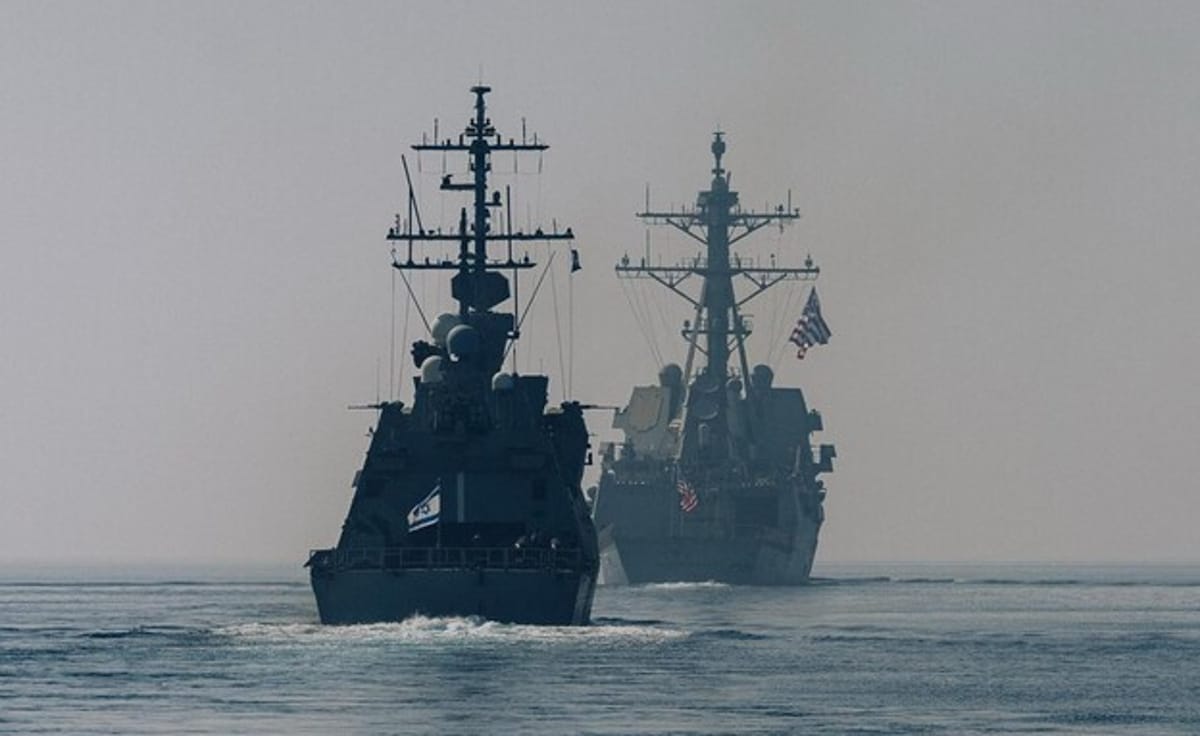
The Iranian economy is reportedly on the verge of a total systemic collapse as the U.S. naval blockade enters a critical new phase. A report by the New York Times reveals that the regime is facing an unprecedented crisis in its most vital sector, with national oil storage facilities expected to run out of space within the next 25 to 30 days. Without the ability to export or store its crude, the government has already begun the painful process of cutting production at several major oil fields.
Industry experts warn that the maritime siege is a far more existential threat to the regime than direct military combat. Hamid Hosseini, a member of the Iranian Chamber of Commerce, stated that the current deadlock must be broken immediately to save the future of the nation's energy infrastructure. If the wells are shut down completely due to a lack of storage, many may suffer long-term mechanical damage, making it difficult or impossible to restore production levels in the future.
The domestic fallout of this crisis is visible in every corner of Iranian society. The national currency, the Rial, has plummeted to a historic low of 1.3 million to a single U.S. dollar, effectively vaporizing the savings of the middle class. Inflation has officially hit 60%, and over a million jobs have already been lost as businesses across all sectors are forced to close their doors due to a lack of raw materials and affordable energy.
The humanitarian situation is becoming increasingly dire, with social media filled with stories of citizens selling their personal belongings just to afford basic food. Many public sector employees have reported not receiving their full salaries for over two months. In some border regions, workers are reportedly attempting to smuggle basic goods like cooking oil across the border to Turkey just to survive, illustrating the depth of the desperation facing the general population.
Despite attempts to find overland alternatives through Pakistan, Turkey, and Russia, there is no logistical replacement for the volume of trade that once passed through the Strait of Hormuz. The blockade has essentially turned Iran into an island, cut off from the global markets it relies on to sustain its population. This economic strangulation is providing a powerful incentive for the regime to accept the 14-point peace plan currently on the table in Washington.
U.S. Secretary of State Marco Rubio noted on Friday that Washington is expecting a "serious" response from Tehran regarding the latest peace proposal. While the Iranian leadership continues to project defiance, the cold reality of the storage clock is ticking. With only a few weeks of storage capacity remaining, the regime is facing a choice between a humiliating diplomatic surrender or an economic catastrophe that could trigger widespread domestic unrest and the permanent ruin of its energy industry.