Reports of multiple powerful explosions emerged from the Bandar Abbas region in southern Iran on Thursday, signaling a fresh escalation in the maritime war. Initially, the cause of the blasts was unclear, but state-linked media outlets later suggested they were related to active engagements in the Strait of Hormuz. The Iranian Revolutionary Guard reportedly fired warning shots at several vessels that they claimed were attempting to navigate the narrow waterway in violation of local Iranian regulations.
The situation grew more complex as Iranian sources began pointing the finger at the United Arab Emirates. Claims surfaced that there were "signs" suggesting the UAE might have been responsible for a direct strike on Qeshm Island, which led to the reported explosions. While these reports have not been independently verified, they have already triggered a wave of aggressive rhetoric from Tehran. Iranian officials warned that if the reports are proven true, "the United Arab Emirates will pay the price."
As of Thursday evening, the United Arab Emirates has not issued a formal response or confirmation regarding the allegations of a strike on Iranian territory. The silence from Abu Dhabi comes amid a week where the UAE has already faced several Iranian missile and drone attacks. The possibility of a retaliatory strike by the Emirates would mark a significant shift in the war, moving from defensive interceptions to offensive operations against Iranian soil.
Military analysts are monitoring the situation closely to determine the exact origin of the fire. The Revolutionary Guard’s "warning shots" often involve the use of high-explosive munitions and fast attack craft, which can easily be mistaken for a larger-scale bombardment. The focus remains on Qeshm Island, a strategic location that houses significant Iranian military assets and overlooks the most restricted parts of the shipping lanes.
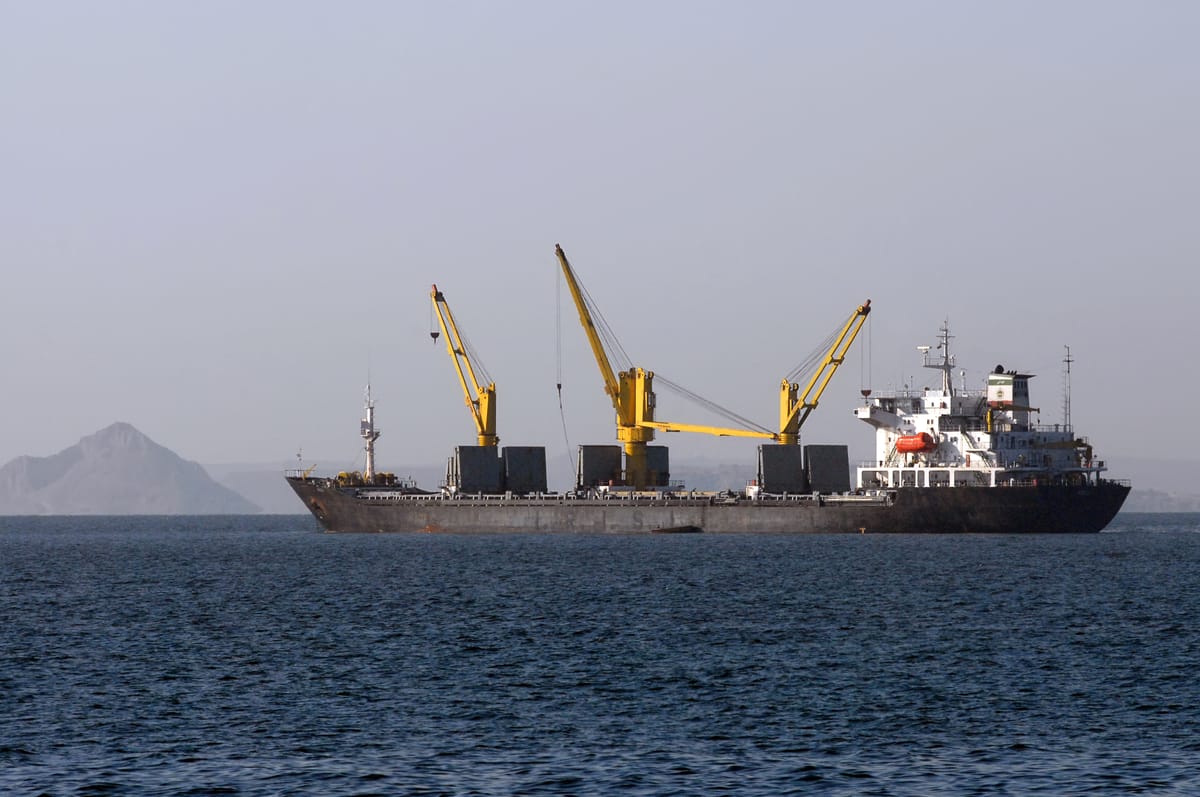
The reports of gunfire and explosions have further terrified the crews of the 1,500 commercial ships currently stuck in the region. Many captains have refused to move until a clear and safe corridor is established through a diplomatic agreement. This latest skirmish highlights the extreme volatility of the area, where even a minor technical disagreement or a "warning shot" can be interpreted as a major act of war.
As tensions boil over, the risk of a miscalculation between the UAE, the U.S., and Iran is at an all-time high. The Iranian leadership continues to use the Strait as a point of leverage, while regional partners are increasingly signaling that they will no longer tolerate being the targets of Iranian aggression. The coming hours will be critical in determining if this was an isolated incident or the start of a direct confrontation between the Gulf states and the Islamic Republic.