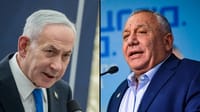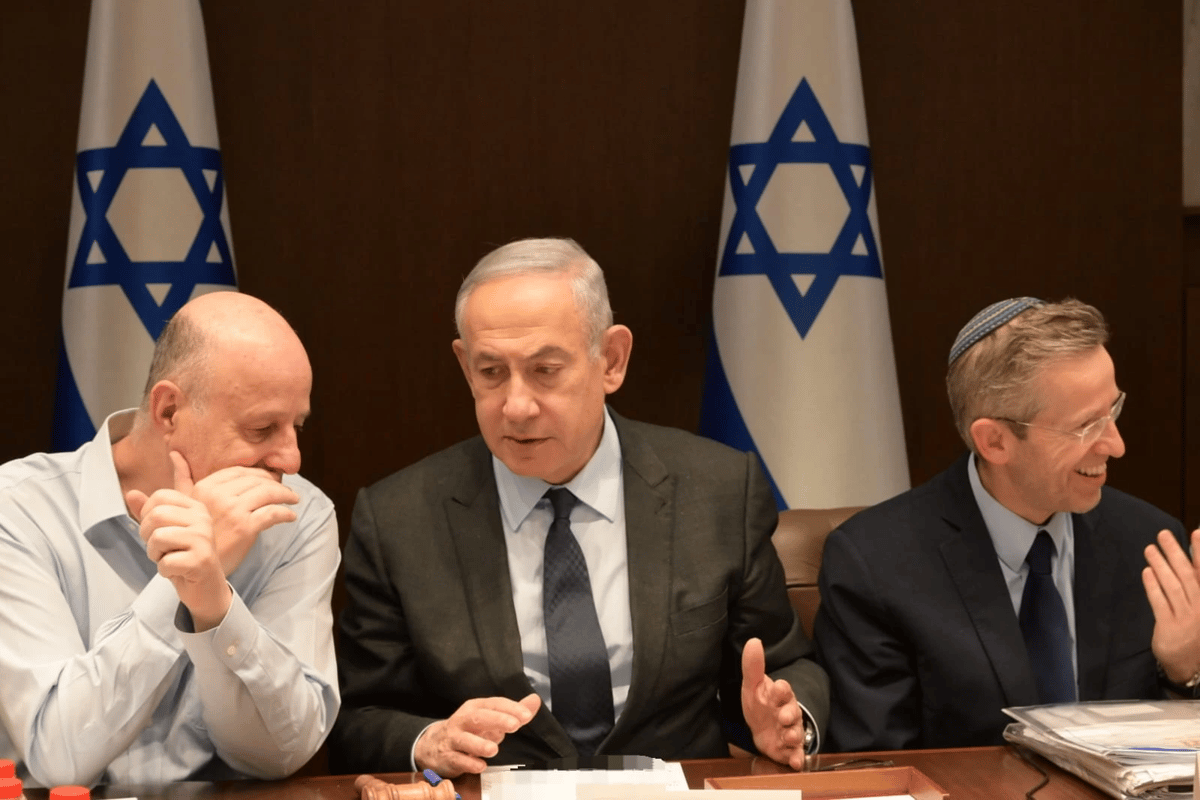
Prime Minister Benjamin Netanyahu held a specialized high-level security discussion at the Kirya base in Tel Aviv on Thursday evening, following his second phone conversation with President Donald Trump in the last 48 hours. The meeting was focused on growing Israeli anxieties regarding the potential for a "loose" framework agreement that might fail to permanently dismantle Iran's nuclear aspirations. Sources indicate that a third conversation between the two leaders is expected tonight as Israel seeks to influence the final parameters of the deal.
The Israeli security establishment is currently analyzing three major points of contention between Washington and Tehran: the nuclear program's future, the pace of lifting sanctions, and Iran’s demand for financial compensation. Western intelligence agencies noted that Iran notably refrained from responding to the assassination of a top Hezbollah commander in Beirut yesterday. Experts believe this calculated silence was intended to protect the chances of a deal that could finally end the Middle Eastern war.
Israeli defense officials expressed deep concern during closed-door sessions that the details of the agreement, which are meant to be finalized within 30 days, could provide Iran with ample room for manipulation. "An agreement like this is not signed with general statements, but with technical details, processes, timelines, and monitoring methods," officials warned. They argued that without examining every minor clause, the Iranians would find easy paths to regain a nuclear foothold.
Furthermore, a significant gap appears to be emerging regarding Iran’s ballistic missile program. A senior security official told News 12 that while Israel is attempting to exert influence on this issue, signs suggest the United States is not willing to "commit suicide" or risk the entire deal over the missile file. This has led to fears that a signed agreement would leave the regime's long-range strike capabilities largely intact.
Israel is currently preparing for all scenarios, including the possibility that the diplomatic track could collapse at the last moment. However, for the time being, the focus remains on the diplomatic route as Jerusalem tries to shape the terms to ensure absolute security. The Israeli leadership remains wary of any agreement that prioritizes a temporary calm over the long-term removal of the Iranian nuclear threat.
Ultimately, the goal for Netanyahu and his team is to ensure that any document signed by the Trump administration includes rigid enforcement mechanisms. They believe that unless the U.S. is prepared to descend into the finest technical details, the Islamic Republic will simply use the agreement as a shield. As the 48-hour window for an Iranian response nears, Israel continues to press its red lines in both public and private channels.