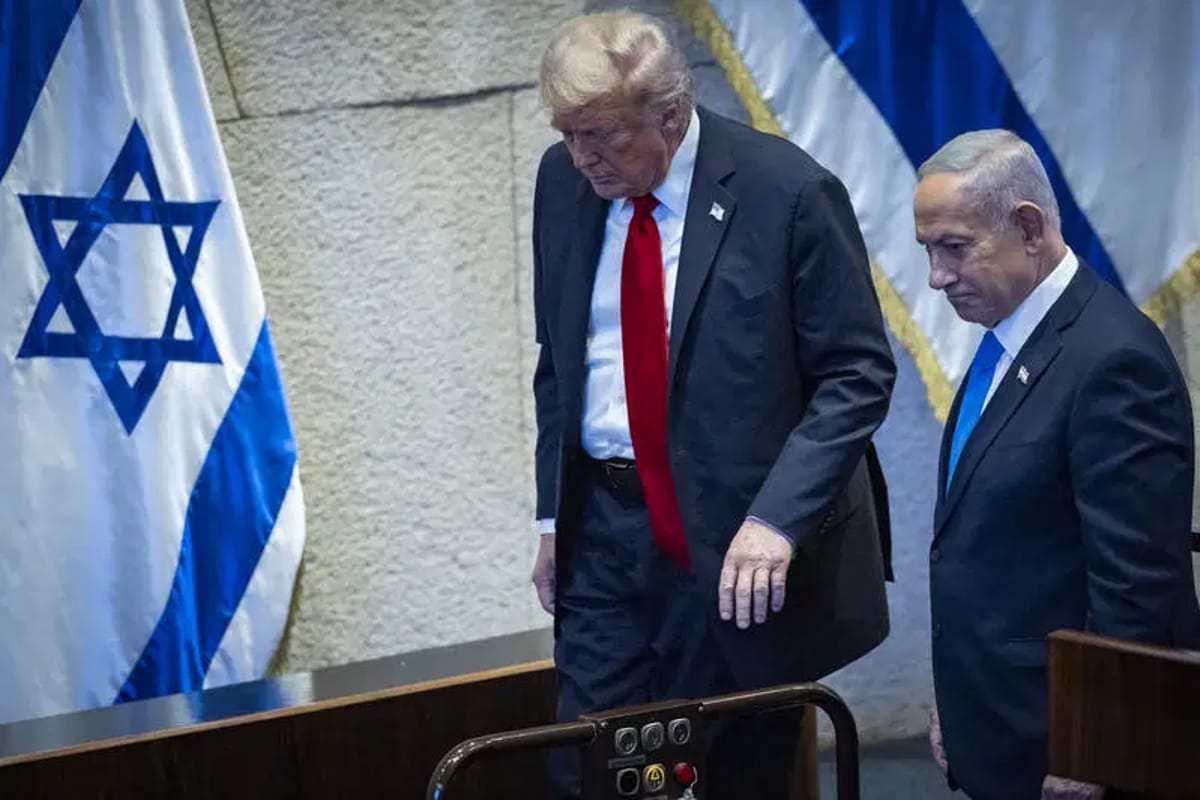
Amid deep concern in Jerusalem regarding the potential signing of a "loose" and problematic agreement with Iran, Prime Minister Benjamin Netanyahu convened a special security discussion last night (Thursday) at the Kirya base in Tel Aviv, dedicated entirely to the Iranian issue.
The meeting followed the Prime Minister’s second conversation in two days with U.S. President Donald Trump.
Key Points of Contention
According to reports from Channel 12 News, Israel understands that significant disputes still remain between the U.S. and Iran, centered on three primary clauses:
- The future of the nuclear program itself.
- The pace of lifting economic sanctions imposed on Tehran.
- Compensation demands by Iran, a requirement reportedly causing significant anger within the American administration.
Strategic Silence
Western intelligence sources are pointing to a direct link between diplomatic negotiations and Iranian conduct on the ground. They assess that Iran’s decision not to respond, neither militarily nor through public statements, to the assassination of Radwan Force commander Ahmad Ghaleb Belut in Beirut is intentional.
Intelligence officials believe Tehran is choosing restraint to give a "real chance" to an agreement that could potentially lead to the end of the current regional conflict.
Warnings from the Defense Establishment
In a closed-door session held recently, senior defense officials expressed profound worry that after the signing of a "framework agreement" - the details of which are expected to be finalized within a month, Tehran will exploit the situation to deceive the Americans.
"An agreement like this is not signed with general statements, but with nuances, technical details, and strict timelines," officials clarified. "Without descending into the finest details of every clause, the Iranians will find easy paths to re-establish a foothold in nuclear development."
The Missile Threat
Beyond the nuclear issue, Israel remains deeply troubled by Iran's ballistic missile program. A senior security official noted last night that while Jerusalem is attempting to influence the U.S. on this front, "the signs are that the United States is not going to 'go to the mat' over this issue."
The Israeli defense establishment is currently preparing for all possible scenarios, including a complete collapse of talks. However, the current working assumption remains that the diplomatic path is central, and Israel is focusing its efforts on shaping the parameters of the final agreement.